


Docker has revolutionized the way developers build, ship, and run applications by leveraging containerization technology. At the core of Docker’s efficiency and flexibility lie Docker images and their layered architecture. Understanding how these image layers work is essential for developers, system administrators, and DevOps professionals who want to optimize their container workflows, improve build times, and reduce image sizes.
In this comprehensive guide, we will explore what Docker image layers are, how they function, and why they matter. We’ll also discuss best practices for managing layers effectively, common pitfalls such as Docker smells, and how emerging trends like AI are influencing Docker image optimization.
What Are Docker Image Layers?
A Docker image is essentially a lightweight, standalone, and executable package that includes everything needed to run a piece of software: code, runtime, libraries, environment variables, and configuration files. However, unlike traditional monolithic images, Docker images are built in layers.
Each layer represents a set of filesystem changes—such as adding files, installing packages, or modifying configurations—that are stacked on top of one another. These layers are immutable, meaning once created, they do not change. Instead, new layers are added on top to represent updates or modifications.
How Layers Work Together
When a Docker container runs, it uses the combined stack of layers from the image. The base layer typically contains the operating system or minimal runtime environment. Subsequent layers add application dependencies, source code, and configuration. This layered approach enables Docker to reuse layers across different images, reducing storage space and speeding up builds.
For example, if multiple images share the same base layer, Docker only needs to store that base layer once on the host machine. This deduplication is a key factor behind Docker Hub’s massive ecosystem, which hosts over 3.5 million images, making it the world’s largest community of container images.
Moreover, the layering system enhances the efficiency of the development process. Developers can make changes to their applications and only rebuild the layers that have been modified, rather than the entire image. This not only saves time but also minimizes the risk of introducing errors, as it allows for more granular testing of individual layers. Additionally, the use of caching mechanisms in Docker means that if a layer hasn’t changed since the last build, Docker can skip rebuilding it, further accelerating the development cycle.
Another significant advantage of Docker image layers is their role in version control and collaboration. Each layer can be thought of as a snapshot of the application at a certain point in time, allowing teams to track changes and revert to previous states if necessary. This is particularly beneficial in collaborative environments where multiple developers are working on the same project, as it ensures that everyone can access a consistent and stable version of the application while also facilitating easy experimentation with new features or configurations without affecting the main codebase.
The Importance of Optimizing Docker Image Layers
While layers provide efficiency, they can also introduce challenges if not managed properly. Inefficient layering can lead to unnecessarily large images, longer build times, and increased resource consumption. These issues directly impact deployment speed and operational costs, especially at scale. Moreover, as organizations increasingly adopt microservices architectures, the need for lightweight and efficient container images becomes even more critical. Each microservice may rely on its own Docker image, and if these images are bloated, the cumulative effect can significantly hinder performance and scalability.
Impact of Docker Smells on Image Size
“Docker smells” refer to anti-patterns or poor practices in Dockerfile authoring that negatively affect image quality. According to a recent empirical study, Docker smells can increase image size by an average of 48.06 MB per smelly image, which corresponds to about a 4.6% increase in size. This bloat can slow down container startup times and consume more bandwidth when images are pulled from registries. The ramifications of these inefficiencies extend beyond mere size; they can also lead to increased latency in service delivery and a degraded user experience, particularly in high-demand environments where speed is paramount.
Common Docker smells include installing unnecessary packages, leaving temporary files, or creating too many layers with small changes. Identifying and addressing these smells is crucial for maintaining lean and efficient images. Tools like Docker Bench for Security can help identify these issues, while best practices such as multi-stage builds can mitigate the risks associated with Docker smells by allowing developers to create smaller, more focused images that only contain the necessary components for runtime.
Benefits of Automated Refactoring
Automation tools that refactor Dockerfiles can significantly improve image quality. Research shows that automated refactoring can reduce image size by an average of 32% and decrease build duration by 6%. These improvements not only save storage space but also accelerate continuous integration and deployment pipelines. Additionally, automated refactoring can help teams adhere to best practices consistently, reducing the likelihood of human error during the Dockerfile creation process.
By streamlining Dockerfiles and consolidating commands into fewer layers, developers can optimize caching and minimize redundant steps. This leads to faster builds and more predictable image behavior. Furthermore, automated tools can provide insights into the overall health of Docker images, offering suggestions for further optimizations and ensuring that teams remain agile and responsive to changing requirements. As the container ecosystem continues to evolve, leveraging automation in Dockerfile management will be essential for maintaining competitive advantage and operational excellence.
How Docker Image Layers Affect Development and Deployment
Understanding image layers is not just about optimization; it also influences development workflows and deployment strategies.
Layer Caching and Build Efficiency
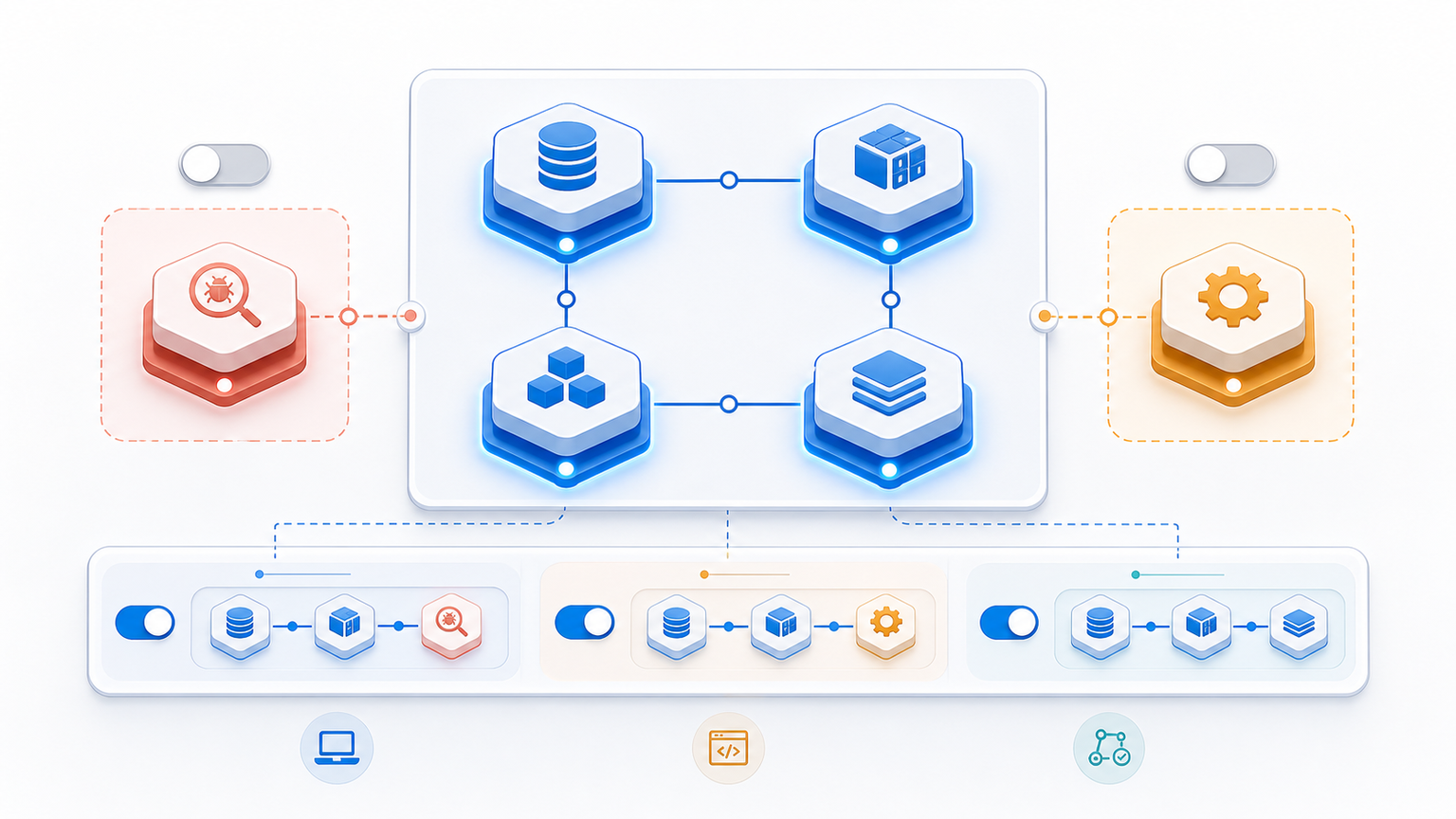
Docker uses a build cache mechanism that leverages image layers to avoid re-executing unchanged steps during image builds. When a Dockerfile is built, Docker checks if a layer with the same instructions already exists in the cache. If so, it reuses that layer instead of rebuilding it from scratch.
This caching mechanism can dramatically speed up iterative development, especially when working with large applications. However, developers need to be mindful of the order of instructions in Dockerfiles because changing a command early in the file invalidates the cache for all subsequent layers. This nuance encourages developers to adopt best practices, such as grouping commands logically and minimizing changes to frequently altered layers, thereby enhancing build times and resource utilization.
Moreover, the efficiency gained through layer caching can lead to a more responsive development cycle. As developers iterate on their applications, they can quickly test changes without waiting for lengthy build processes, fostering a more agile approach to software development. This rapid feedback loop not only increases productivity but also allows for more frequent integration of new features and fixes, ultimately leading to a more robust final product.
Layer Reuse in Continuous Integration and Delivery
In modern CI/CD pipelines, reusing layers across builds and environments reduces network bandwidth and storage costs. For instance, Docker Hub recently reported that total pulls reached 242 billion in July alone, nearly doubling in just over six months. This explosive growth underscores the importance of efficient image management to handle such massive scale.
By structuring images with reusable layers, teams can share common dependencies and base images across multiple projects, ensuring consistency and reducing duplication. This practice not only streamlines the development process but also enhances collaboration among teams, as they can rely on a stable set of images that have been tested and validated. Furthermore, the ability to roll back to previous layers in case of deployment issues provides an added layer of safety, allowing teams to maintain service continuity while addressing any emerging problems swiftly.
Additionally, the strategic use of multi-stage builds can further optimize image sizes and deployment times. By separating the build environment from the production environment, developers can ensure that only the necessary artifacts are included in the final image, thereby minimizing its footprint. This approach not only improves performance but also enhances security by reducing the attack surface, as fewer components mean fewer vulnerabilities to manage. As organizations continue to embrace microservices architectures, the significance of efficient layer management in Docker images becomes increasingly paramount, influencing both operational efficiency and overall system resilience.
Best Practices for Managing Docker Image Layers
To get the most out of Docker images, it’s essential to follow best practices that promote efficient layering and maintainability.

Minimize the Number of Layers
Each command in a Dockerfile creates a new layer. Combining related commands using shell operators like && can reduce the total number of layers. For example, installing packages and cleaning up cache files in a single RUN instruction prevents leftover files from persisting in intermediate layers.
Use Official and Minimal Base Images
Starting with a minimal base image, such as Alpine Linux, can significantly reduce the overall image size. Official images are typically well-maintained and optimized, providing a solid foundation for your applications.
Leverage Multi-Stage Builds
Multi-stage builds allow developers to separate the build environment from the runtime environment. By compiling code in one stage and copying only the necessary artifacts to the final image, you can avoid including build tools and dependencies that are not needed at runtime.
Clean Up Temporary Files
Removing temporary files, caches, and package manager metadata after installation steps helps keep layers lean. This cleanup should be done within the same RUN instruction to prevent these files from being saved in intermediate layers.
The Role of AI in Docker Image Optimization
Artificial intelligence is increasingly becoming a fundamental part of software development, including container management. Docker’s AI Trends Report 2024 highlights that 64% of developers are leveraging AI for tasks such as coding, documentation, and research.
AI-driven tools can analyze Dockerfiles to detect inefficiencies, suggest refactoring opportunities, and even automate the optimization process. This integration of AI can help developers maintain high-quality Docker images with less manual effort.
Moreover, AI can assist in vulnerability scanning and compliance checks, which are critical given the vast number of images hosted on Docker Hub. With over 3.5 million images available, automated AI tools help maintain security and performance standards across the ecosystem.
Conclusion
Docker image layers form the backbone of containerized application development, offering a powerful mechanism for building, sharing, and deploying software efficiently. Understanding how these layers work and how to optimize them is essential for anyone working with Docker.

By following best practices such as minimizing layers, using multi-stage builds, and cleaning up temporary files, developers can create smaller, faster, and more secure images. Additionally, leveraging AI-driven tools for automated refactoring and analysis is becoming a game-changer in managing Docker images at scale.
As container usage continues to grow exponentially—evidenced by the dramatic increase in Docker Hub pulls—mastering Docker image layers is more important than ever for delivering high-quality applications in today’s fast-paced development environments.

Leave a Reply