


In the ever-evolving landscape of software development, containerization has become a cornerstone technology, enabling developers to build, ship, and run applications with remarkable consistency and efficiency. Among containerization tools, Docker stands out as a leader, continuously innovating to simplify workflows and optimize development cycles. One such innovation that has transformed container image creation is the concept of multistage Dockerfiles.
This comprehensive guide explores what multistage Dockerfiles are, why they matter, and how to leverage them effectively to build leaner, more efficient container images. Along the way, we will touch on industry insights and emerging trends that underscore the importance of optimizing Docker workflows in modern development environments.
What Are Multistage Dockerfiles?
At its core, a Dockerfile is a script containing a series of instructions to assemble a Docker image. Traditionally, a Dockerfile would include all steps necessary to build and package an application in a single stage, often resulting in bulky images that include build tools and dependencies unnecessary for runtime.
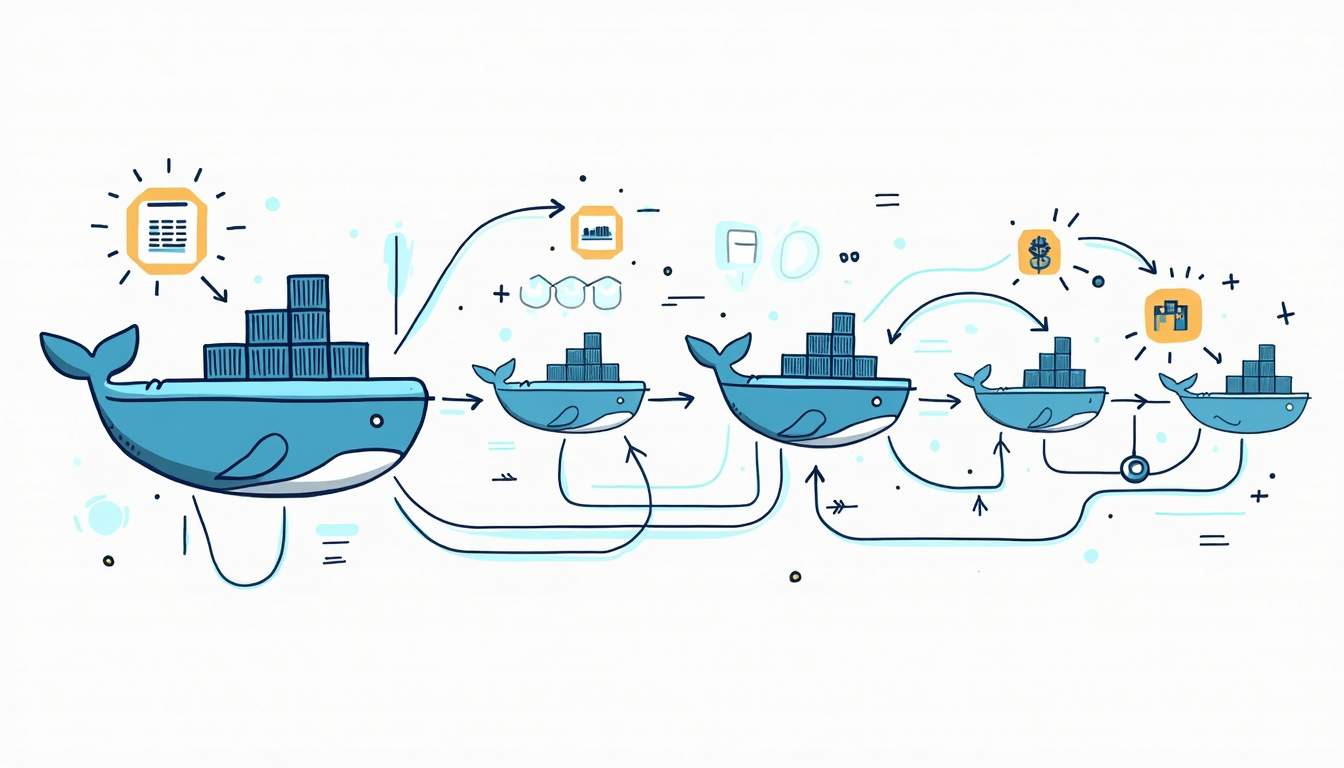
Multistage Dockerfiles introduce multiple build stages within a single Dockerfile, each with its own base image and set of instructions. By doing so, developers can isolate the build environment from the final runtime environment, copying only the essential artifacts into the final image. This approach dramatically reduces image size and improves security by excluding unnecessary components.
How Multistage Builds Work
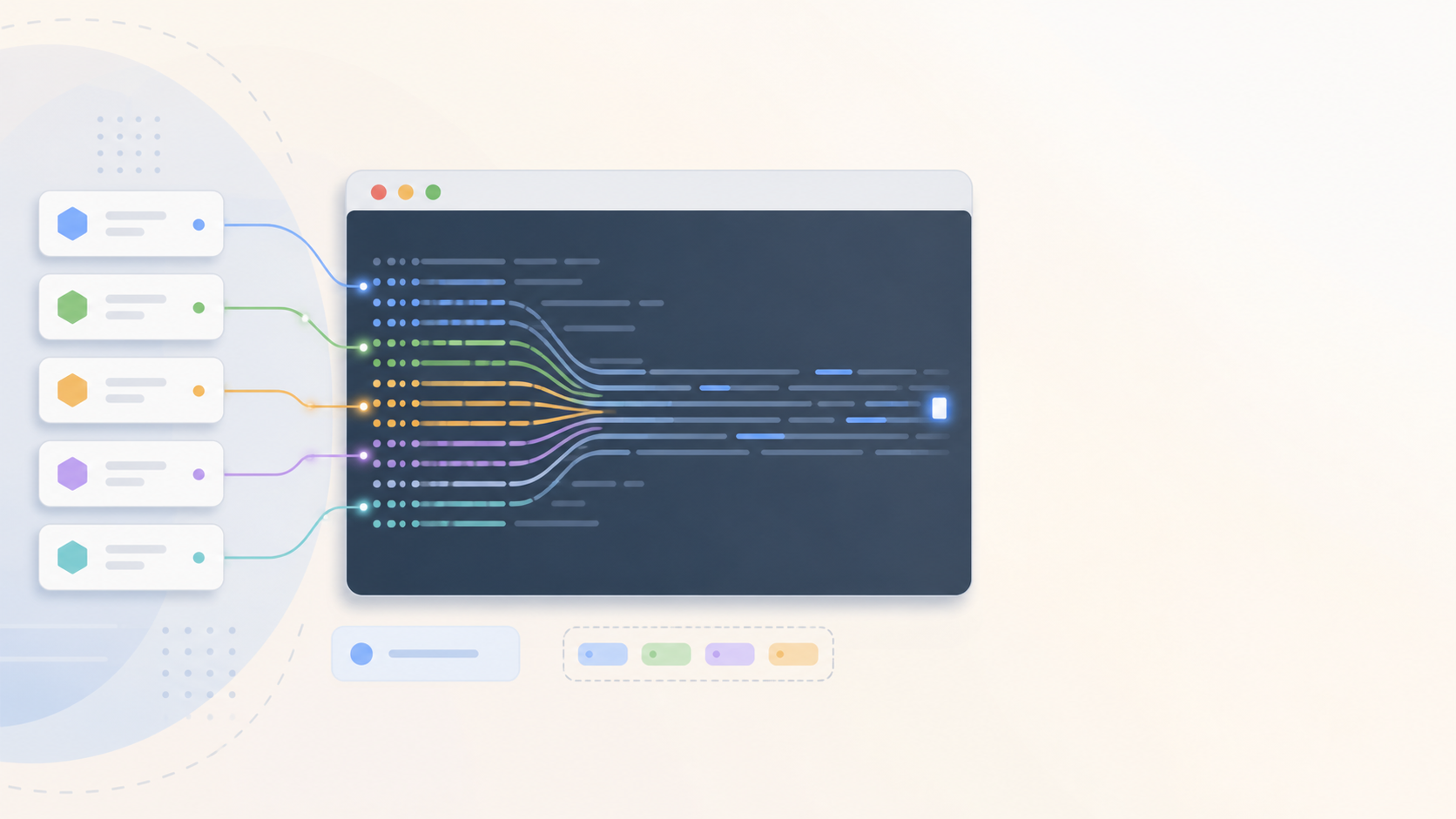
A multistage Dockerfile typically starts with one or more build stages that compile or prepare the application. These stages might include installing dependencies, running tests, or compiling source code. The final stage then uses a minimal base image and copies only the compiled binaries or necessary files from the previous stages.
For example, a Node.js application might use a full Node image to install dependencies and build the app, then copy the output to a lightweight Alpine Linux image for deployment. This separation ensures the final image contains only what is needed to run the application, not the entire build environment. Additionally, this method allows developers to leverage different base images tailored for specific tasks, optimizing the build process further. For instance, a Java application could utilize an OpenJDK image for the build stage and then transition to a smaller JRE image for the runtime, ensuring that only the runtime environment is included in the final image.
Benefits of Multistage Dockerfiles
Using multistage Dockerfiles offers several key advantages:
- Smaller Image Sizes: By excluding build tools and intermediate files, final images are significantly smaller, leading to faster downloads and deployments.
- Improved Security: Reducing the attack surface by omitting unnecessary packages and tools enhances container security.
- Simplified Maintenance: Consolidating build and runtime stages into a single Dockerfile streamlines updates and reduces complexity.
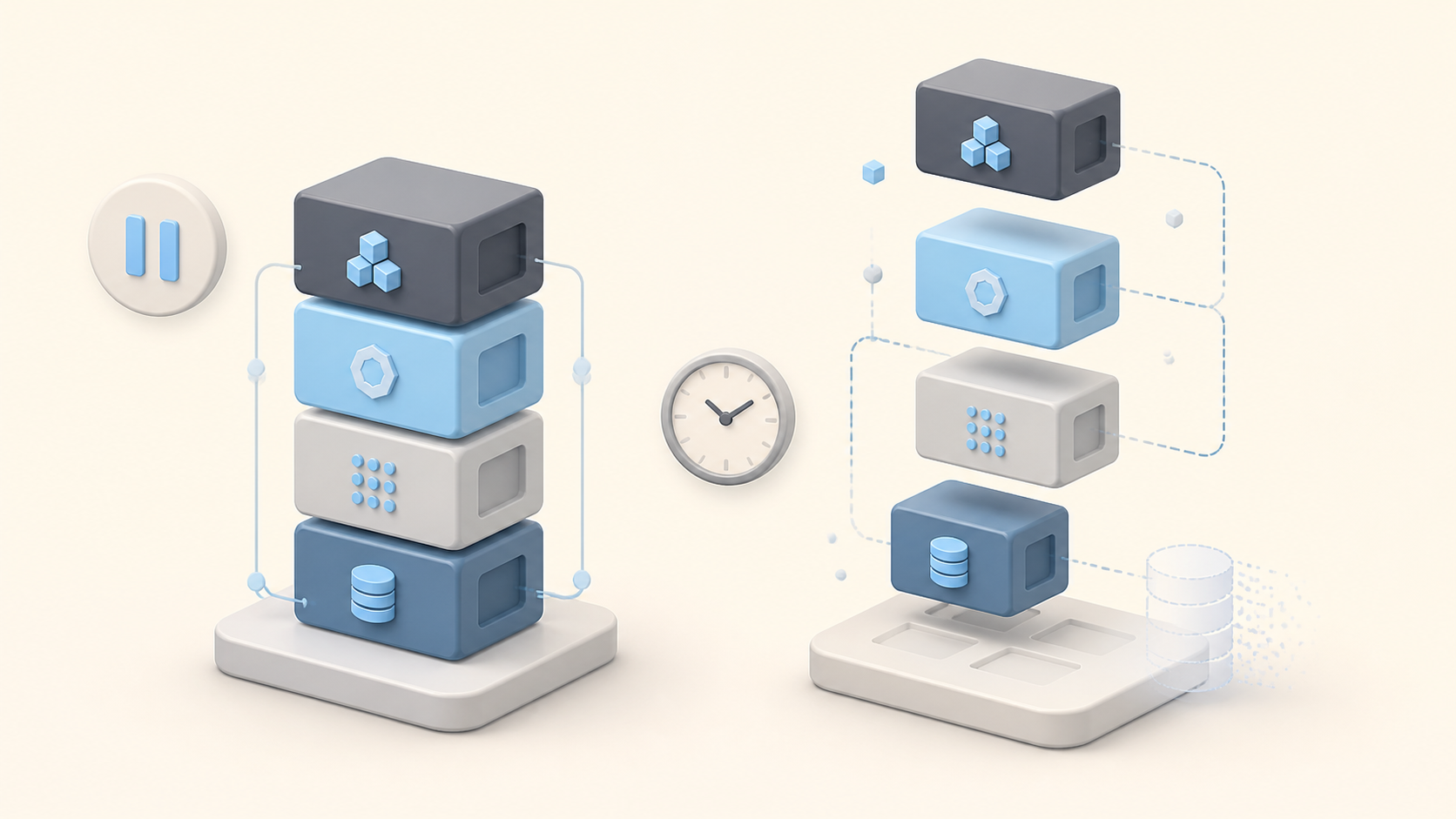
- Better Build Efficiency: Multistage builds can take advantage of Docker’s layer caching, speeding up rebuilds and development iterations.
Moreover, multistage builds facilitate a more organized and readable Dockerfile structure. Developers can clearly delineate between the build and production stages, making it easier for team members to understand the workflow. This clarity can be especially beneficial in collaborative environments where multiple developers contribute to the same project. Furthermore, by utilizing named stages, developers can reference specific build stages in subsequent commands, enhancing modularity and reusability of code snippets across different projects.
In addition, multistage builds can be particularly advantageous in CI/CD pipelines, where the need for efficient image creation is paramount. By automating the build process with multistage Dockerfiles, teams can ensure that only the most optimized images are deployed, reducing the time spent on troubleshooting issues related to bloated images or outdated dependencies. This not only accelerates the deployment process but also contributes to a more robust and reliable software delivery lifecycle.
Best Practices for Writing Multistage Dockerfiles
To maximize the benefits of multistage Dockerfiles, developers should follow established best practices that promote maintainability, efficiency, and clarity.
1. Use Descriptive Stage Names
Assign meaningful names to each build stage using the AS keyword. This practice improves readability and makes it easier to reference stages when copying artifacts.
FROM node:18 AS builder# build steps hereFROM alpine:latest AS runtime# copy from builder stage2. Minimize Layers and Instructions
Combine related commands using RUN with shell operators to reduce the number of layers. This approach helps keep the image size down and optimizes build caching.
3. Copy Only Necessary Artifacts
Be explicit about which files or directories are copied from one stage to another. Avoid copying the entire build context if only specific outputs are needed.
4. Leverage Official Minimal Base Images
For the final stage, use lightweight base images such as alpine or distroless to keep the runtime environment lean.
5. Optimize Dockerfile for Rebuild Efficiency
Recent research highlights the importance of optimizing Dockerfiles to reduce rebuild times. A study on container rebuild efficiency found that reorganizing Dockerfile instructions can reduce rebuild time by an average of 26.5%, with some files achieving over a 50% reduction. This optimization is especially valuable in continuous integration and deployment pipelines where rapid iteration is critical.
6. Use Build Arguments for Configuration
Incorporating build arguments with the ARG instruction allows developers to customize the build process without hardcoding values into the Dockerfile. This flexibility is particularly useful for managing environment-specific configurations, such as API keys or database URLs, that may vary across development, staging, and production environments. By using build arguments, you can streamline your Dockerfile and make it adaptable to different deployment scenarios.
7. Regularly Update Base Images
Keeping base images up to date is crucial for security and performance. Regularly check for updates to the images you use, as vulnerabilities can be discovered over time. Utilizing tools such as Docker Hub’s automated build feature can help ensure that your images are built with the latest versions of their base images. Additionally, consider implementing a routine to audit your Dockerfiles and dependencies, ensuring that you are not only using the latest images but also adhering to best security practices.
Common Use Cases for Multistage Dockerfiles
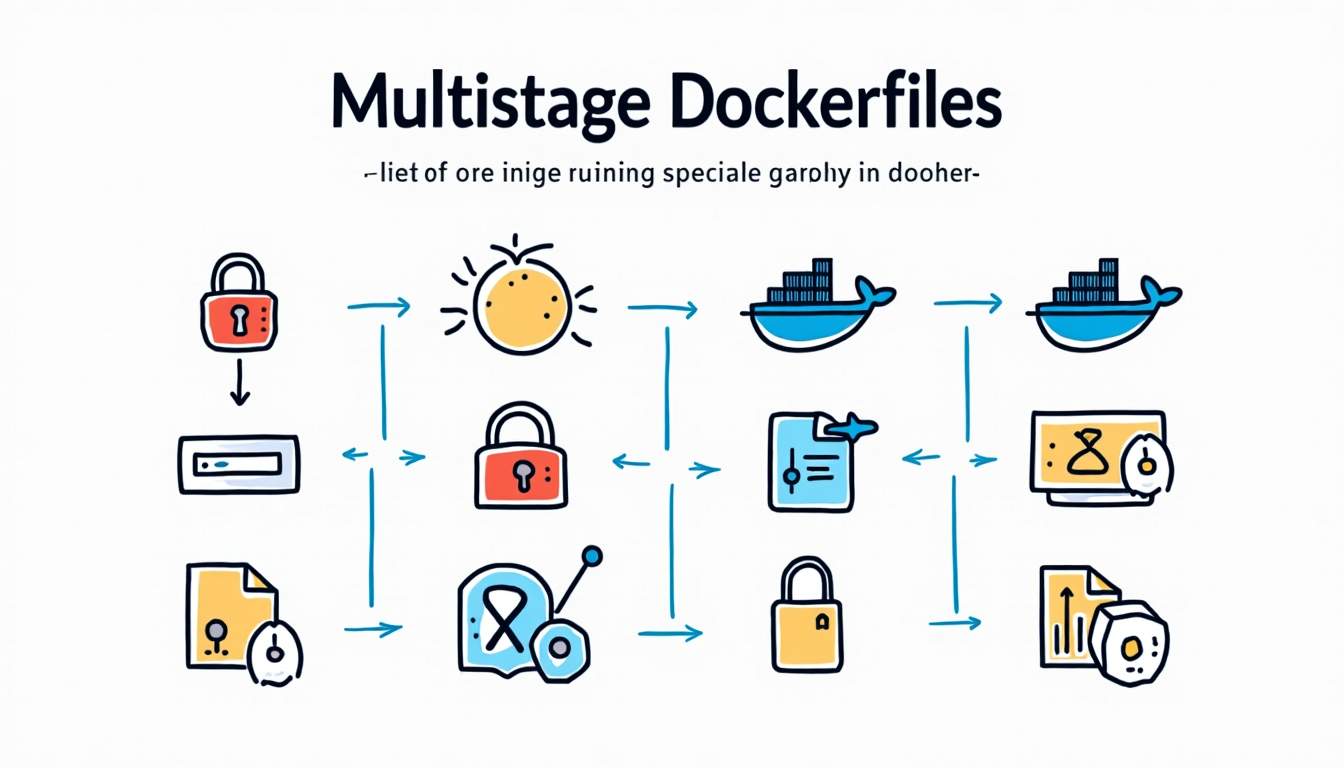
Multistage Dockerfiles are versatile and can be applied across various programming languages and application types. Below are some common scenarios where they shine.
Building Compiled Languages
Languages like Go, C++, and Rust produce compiled binaries that can be copied into minimal runtime images. For instance, a Go application can be built in an official Go image and then copied into a scratch or Alpine image for deployment, resulting in extremely small containers.
Frontend Applications
Frontend frameworks such as React, Angular, or Vue often require a build step to compile assets. Multistage Dockerfiles allow developers to run the build process in a Node.js environment and then serve the static files using a lightweight web server image like Nginx.
Polyglot Applications
Applications that combine multiple languages or services benefit from multistage builds by isolating different build environments and consolidating outputs into a single deployable image.
Emerging Trends and the Future of Dockerfiles
As containerization continues to evolve, so do the tools and practices around Dockerfiles. Several trends are shaping the future of how developers build and optimize container images.
AI-Driven Optimization
Artificial intelligence is making significant inroads into software development workflows. According to Docker’s AI Trends Report 2024, AI is not just a passing trend but a fundamental shift in how software is developed. Developers are increasingly leveraging AI for tasks such as coding, documentation, and research, with 64% of respondents using AI tools in their workflows.
In the context of Dockerfiles, AI-powered tools can analyze and refactor Dockerfiles to improve image quality and build efficiency automatically. For example, automated refactoring has been shown to reduce Dockerfile image sizes by up to 2x compared to manual efforts, and even 10x compared to traditional smell-fixing tools. This level of optimization can lead to faster builds, smaller images, and ultimately more efficient deployments.
Serverless and Cloud-Native Architectures
The rise of serverless computing is another important trend impacting containerization. By 2026, it is projected that 80% of cloud-native applications will be deployed using serverless architectures. Multistage Dockerfiles can play a role here by producing optimized container images that serve as the foundation for serverless functions or microservices, ensuring that these applications remain lightweight and fast to start.
Market Growth and Industry Adoption
The Docker container market is experiencing rapid growth, with a valuation of USD 6.12 billion in 2026 and projections to reach USD 16.32 billion by 2030 at a CAGR of 21.67%. This growth reflects the widespread adoption of container technologies across industries and the increasing demand for efficient container management practices, including the use of multistage builds.
Practical Example: Creating a Multistage Dockerfile for a Node.js App
To illustrate the concepts discussed, here is a practical example of a multistage Dockerfile for a simple Node.js application:
# Stage 1: BuildFROM node:18 AS builderWORKDIR /appCOPY package*.json ./RUN npm installCOPY . .RUN npm run build# Stage 2: Production runtimeFROM node:18-alpine AS runtimeWORKDIR /appCOPY --from=builder /app/build ./buildCOPY --from=builder /app/node_modules ./node_modulesEXPOSE 3000CMD ["node", "build/index.js"]In this example, the first stage installs dependencies and builds the application, while the second stage uses a lightweight Alpine-based Node image to run the compiled app. This separation ensures the final image remains small and contains only what is necessary for production.
Conclusion
Multistage Dockerfiles represent a powerful technique for optimizing container images by separating build and runtime environments. They help developers create smaller, more secure, and maintainable images, which are crucial for efficient deployment and scaling in modern cloud-native environments.
With the increasing integration of AI-driven tools and the growth of serverless architectures, the importance of writing efficient Dockerfiles will only grow. Embracing multistage builds today not only improves current workflows but also prepares teams for the future of containerized application development.
By following best practices and staying informed about emerging trends, developers can harness the full potential of multistage Dockerfiles to build faster, leaner, and more reliable applications.

Leave a Reply