

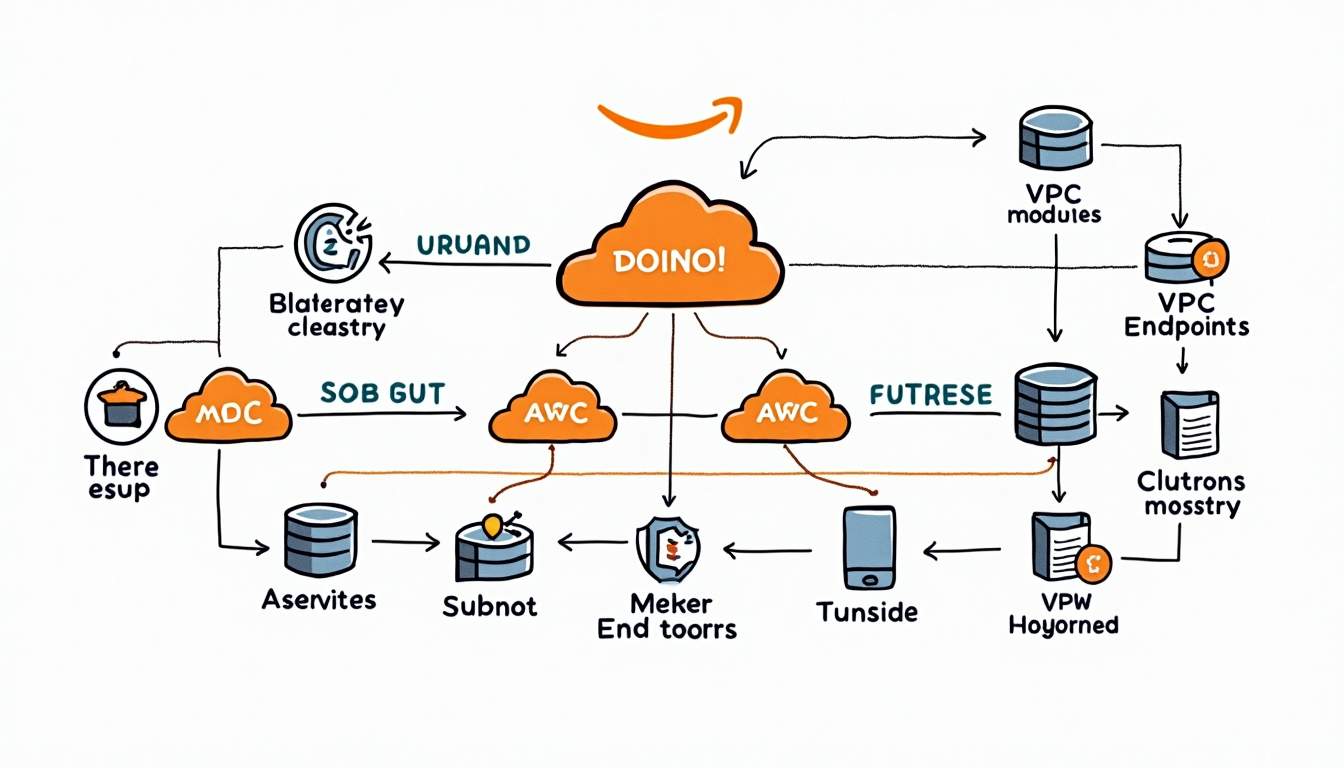
As cloud computing continues to evolve, securing and optimizing network connectivity within cloud environments has become paramount. Amazon Web Services (AWS), a leader in cloud infrastructure, offers Virtual Private Cloud (VPC) endpoints as a powerful feature to enhance security, performance, and manageability. This comprehensive guide explores what AWS VPC endpoints are, their benefits, how they work, and recent advancements shaping their future.
What is an AWS VPC Endpoint?
AWS Virtual Private Cloud (VPC) endpoints enable private connections between your VPC and supported AWS services without requiring an internet gateway, NAT device, VPN connection, or firewall proxy. Essentially, VPC endpoints allow network traffic to flow securely and directly within the AWS network, bypassing the public internet.
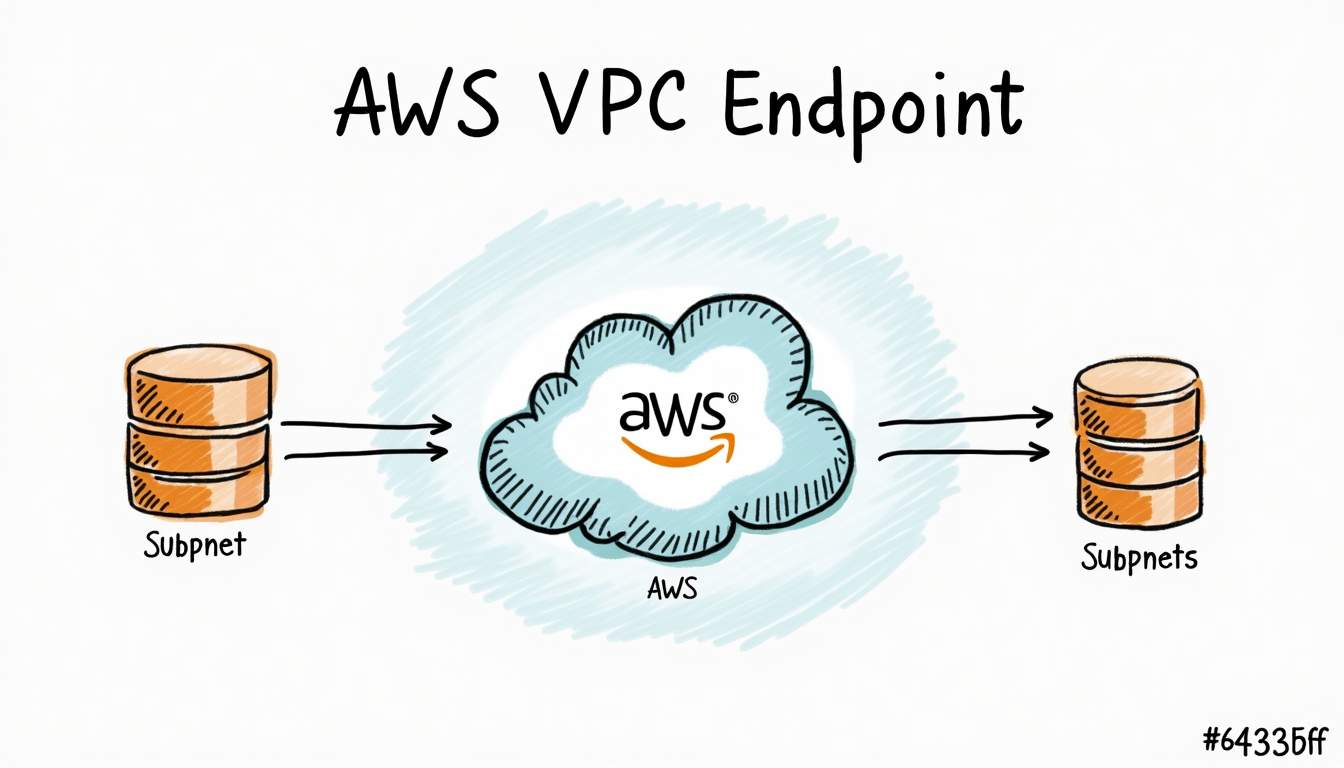
There are two main types of VPC endpoints:
- Interface Endpoints: These create elastic network interfaces (ENIs) within your VPC, providing private IP addresses to connect to AWS services such as Amazon S3, DynamoDB, or AWS PrivateLink-powered services.
- Gateway Endpoints: These are gateway targets for specific AWS services, primarily Amazon S3 and DynamoDB, allowing traffic to route directly through the AWS backbone.
By leveraging VPC endpoints, organizations can significantly reduce exposure to the public internet, enhancing security and simplifying network architecture. This is particularly beneficial for businesses that handle sensitive data or operate in regulated industries, as it helps to ensure compliance with stringent data protection regulations. By keeping traffic within the AWS network, organizations can also achieve lower latency and improved performance when accessing AWS services, as the data does not have to traverse the public internet.
Moreover, VPC endpoints support a variety of AWS services, allowing for flexible architecture designs. For example, using interface endpoints, organizations can connect to services such as AWS Lambda or Amazon SNS without exposing their resources to the internet. This capability not only improves security but also facilitates the creation of complex, multi-tier architectures where different components can communicate privately and securely. Additionally, VPC endpoints can be integrated with AWS Identity and Access Management (IAM) policies, providing granular control over who can access specific services, thus enhancing the overall security posture of the cloud environment.
Why AWS VPC Endpoints Matter
The adoption of cloud computing continues to surge globally, driving the growth of the Virtual Private Cloud market, which is projected to reach $60 billion by 2034 with a 9% compound annual growth rate (CAGR). This growth underscores the increasing importance of secure, scalable, and efficient cloud networking solutions like VPC endpoints.
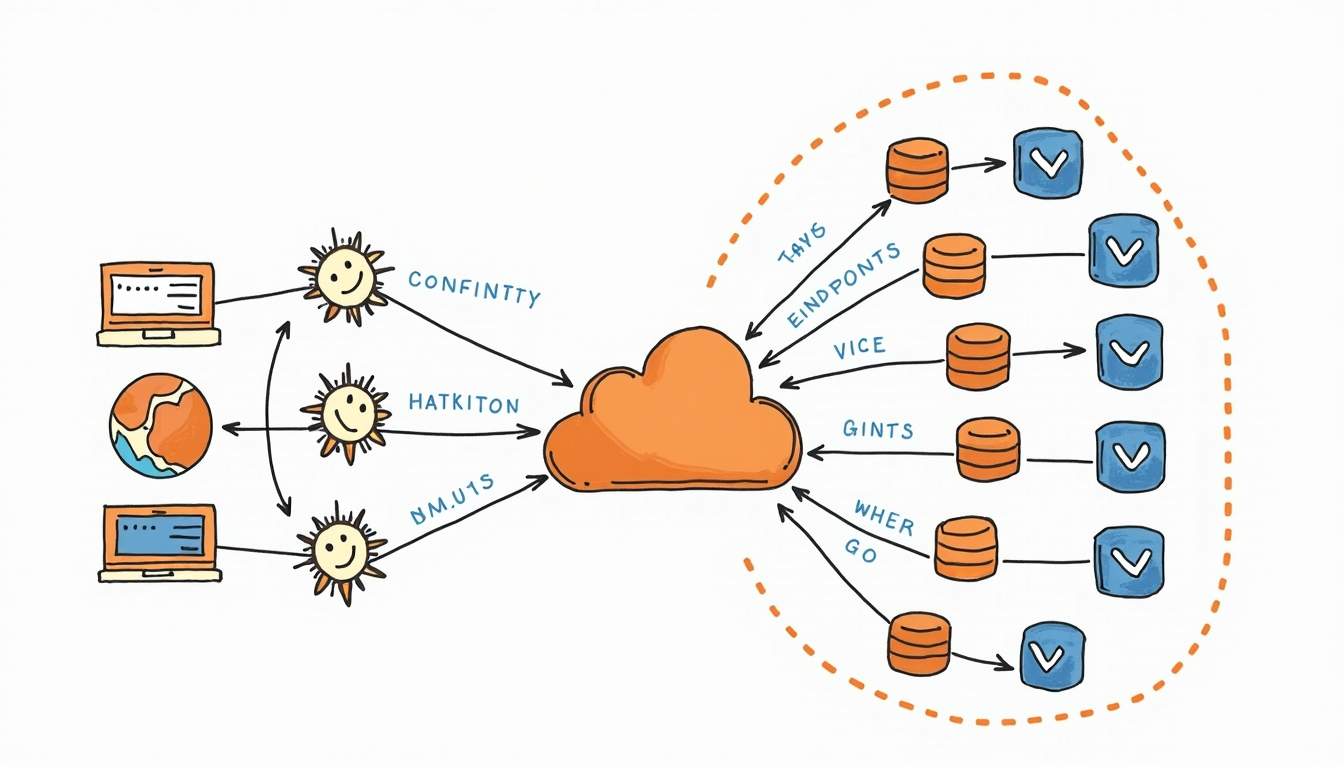
One of the key advantages of AWS VPC endpoints is their ability to improve security posture. According to AWS expert Colm MacCárthaigh, AWS PrivateLink creates endpoints directly inside a VPC, enabling connectivity to AWS services via private IP addresses. This eliminates the need for traffic to traverse the public internet, reducing attack surfaces and potential data exposure.
Moreover, VPC endpoints enhance network performance by routing traffic through the AWS global network backbone, which is optimized for low latency and high throughput. This is especially critical for enterprises running complex cloud architectures that integrate High-Performance Computing (HPC) or edge components, as identified in a recent study analyzing 396 real-world AWS cloud deployments.
In addition to security and performance, AWS VPC endpoints also facilitate compliance with various regulatory frameworks. Many organizations are subject to strict data protection regulations, such as GDPR or HIPAA, which necessitate stringent controls over data access and transmission. By utilizing VPC endpoints, businesses can ensure that sensitive data remains within a controlled environment, significantly simplifying compliance efforts while maintaining operational efficiency.
Furthermore, the flexibility of VPC endpoints allows organizations to create a more resilient architecture. By enabling private connectivity to multiple AWS services, businesses can design their applications to be more fault-tolerant. For instance, if one service experiences issues, traffic can be rerouted seamlessly through other endpoints, ensuring minimal disruption to the end-user experience. This capability is particularly beneficial for companies that rely on high availability and disaster recovery strategies, as it empowers them to maintain service continuity even during unexpected outages.
How AWS VPC Endpoints Work
Interface Endpoints and AWS PrivateLink
Interface endpoints leverage AWS PrivateLink technology to create elastic network interfaces within your VPC subnet. These interfaces have private IP addresses that act as entry points to AWS services or third-party SaaS applications integrated with AWS PrivateLink.
This setup allows you to:
- Access AWS services privately without exposing traffic to the internet.
- Maintain fine-grained control over network traffic using security groups attached to the endpoint interfaces.
- Reduce the complexity of managing firewall rules and NAT gateways.
Moreover, the use of interface endpoints can significantly enhance the security posture of your applications. By keeping traffic within the AWS network, you mitigate risks associated with data interception and exposure. This is particularly crucial for sensitive workloads that handle personal data or financial information, where compliance with regulations such as GDPR or HIPAA is essential. Additionally, the integration with AWS Identity and Access Management (IAM) allows for robust access control policies, ensuring that only authorized users and applications can interact with the services accessed through the interface endpoints.
Another advantage of interface endpoints is their scalability. As your application demands grow, AWS automatically handles the scaling of the underlying infrastructure, allowing you to focus on building and deploying your applications without worrying about the network’s capacity. This elasticity is vital for businesses that experience variable workloads or seasonal spikes in traffic, ensuring that performance remains consistent even under heavy load.
Gateway Endpoints for S3 and DynamoDB
Gateway endpoints function differently by adding a target to your VPC route tables. When configured, requests to supported services like Amazon S3 or DynamoDB are automatically routed through the gateway endpoint instead of the internet.
This approach is cost-effective and straightforward, as it does not require additional network interfaces or IP addresses. It also ensures that data transfers remain within the AWS network, improving security and potentially reducing data transfer costs.
Furthermore, gateway endpoints simplify the architecture of your VPC by eliminating the need for internet gateways or NAT devices for accessing these services. This not only reduces the operational overhead but also enhances the reliability of your connections. Since the traffic is routed internally, you can expect lower latency and higher throughput, which is particularly beneficial for applications that rely heavily on data stored in S3 or DynamoDB. Additionally, with the ability to set up resource policies, you can control access to your S3 buckets or DynamoDB tables, ensuring that only specific VPCs or AWS accounts can interact with your data, thereby reinforcing your security model.
As organizations increasingly adopt cloud-native architectures, the importance of efficient and secure data access cannot be overstated. Gateway endpoints play a pivotal role in this landscape, enabling seamless integration between your VPC and AWS services while ensuring that your data remains protected from external threats. This is especially relevant in multi-account environments where centralized management of resources is essential for maintaining governance and compliance across various teams and projects.
Recent Enhancements in AWS VPC Services
In November 2023, AWS rolled out enhanced features for its VPC service, focusing on improving network security and streamlining user management. These updates reflect AWS’s commitment to addressing evolving enterprise needs in cloud networking.
Key improvements include:
- Advanced Security Controls: Enhanced monitoring and access control capabilities allow administrators to enforce stricter policies on VPC endpoints, reducing the risk of unauthorized access.
- Simplified User Management: New tools facilitate easier configuration and auditing of VPC endpoints, helping teams maintain compliance and operational efficiency.
- Integration with Emerging Technologies: Support for complex cloud architectures, including HPC and edge computing components, ensures VPC endpoints remain relevant for cutting-edge workloads.
These developments align with broader industry trends, where cloud providers continuously innovate to support secure, scalable, and high-performance networking solutions.
Best Practices for Using AWS VPC Endpoints
To maximize the benefits of VPC endpoints, organizations should consider the following best practices:
1. Use VPC Endpoints to Eliminate Public Internet Traffic
Whenever possible, configure your applications and services to communicate through VPC endpoints rather than over the public internet. This reduces exposure to potential threats and improves data privacy.
2. Apply Least Privilege Access Controls
Leverage AWS Identity and Access Management (IAM) policies and endpoint policies to restrict access to VPC endpoints. This ensures only authorized users and services can communicate through the endpoint.
3. Monitor and Audit Endpoint Usage
Enable logging and monitoring using AWS CloudTrail and Amazon CloudWatch to track endpoint activity. Regular audits help detect anomalies and enforce compliance with security standards.
4. Optimize Network Architecture
Design your VPC and subnet layout to minimize latency and optimize routing for VPC endpoints. Consider placing endpoints in subnets close to your application resources to reduce network hops.
5. Stay Updated on AWS Enhancements
Keep abreast of AWS announcements and feature updates. The November 2023 enhancements to VPC services demonstrate how staying informed can help you leverage new capabilities for improved security and management.
Conclusion: The Growing Importance of AWS VPC Endpoints
The Virtual Private Cloud market is expanding rapidly, driven by increasing cloud adoption and the need for secure, efficient networking solutions. AWS VPC endpoints stand out as a critical component in this landscape, offering private, scalable, and high-performance connectivity to AWS services.
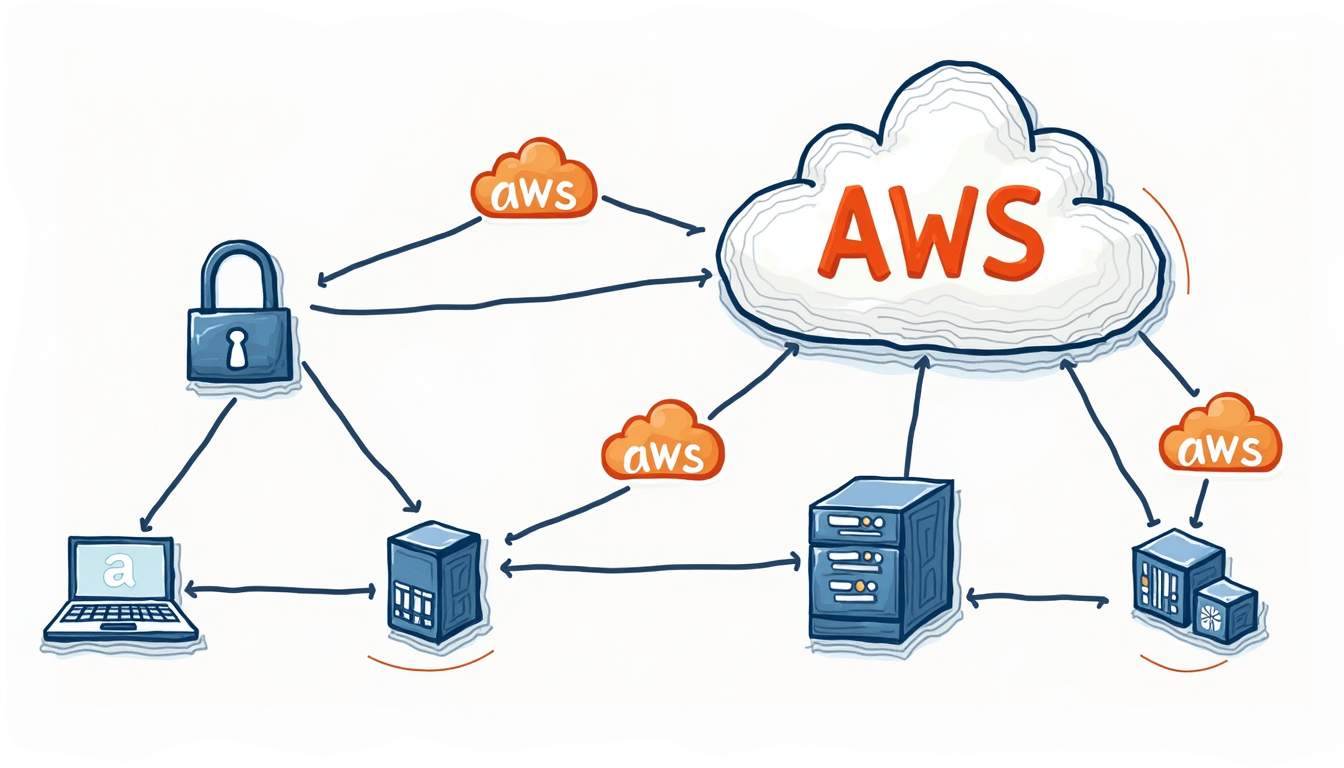
By understanding how VPC endpoints work, their benefits, and best practices for implementation, organizations can enhance their cloud security posture and optimize network performance. With continuous innovations like the recent November 2023 feature updates, AWS ensures that VPC endpoints remain a robust solution for modern cloud architectures.
As enterprises build increasingly complex cloud environments incorporating HPC and edge computing, leveraging AWS VPC endpoints will be essential for maintaining secure, reliable, and efficient connectivity within the AWS ecosystem.

Leave a Reply