

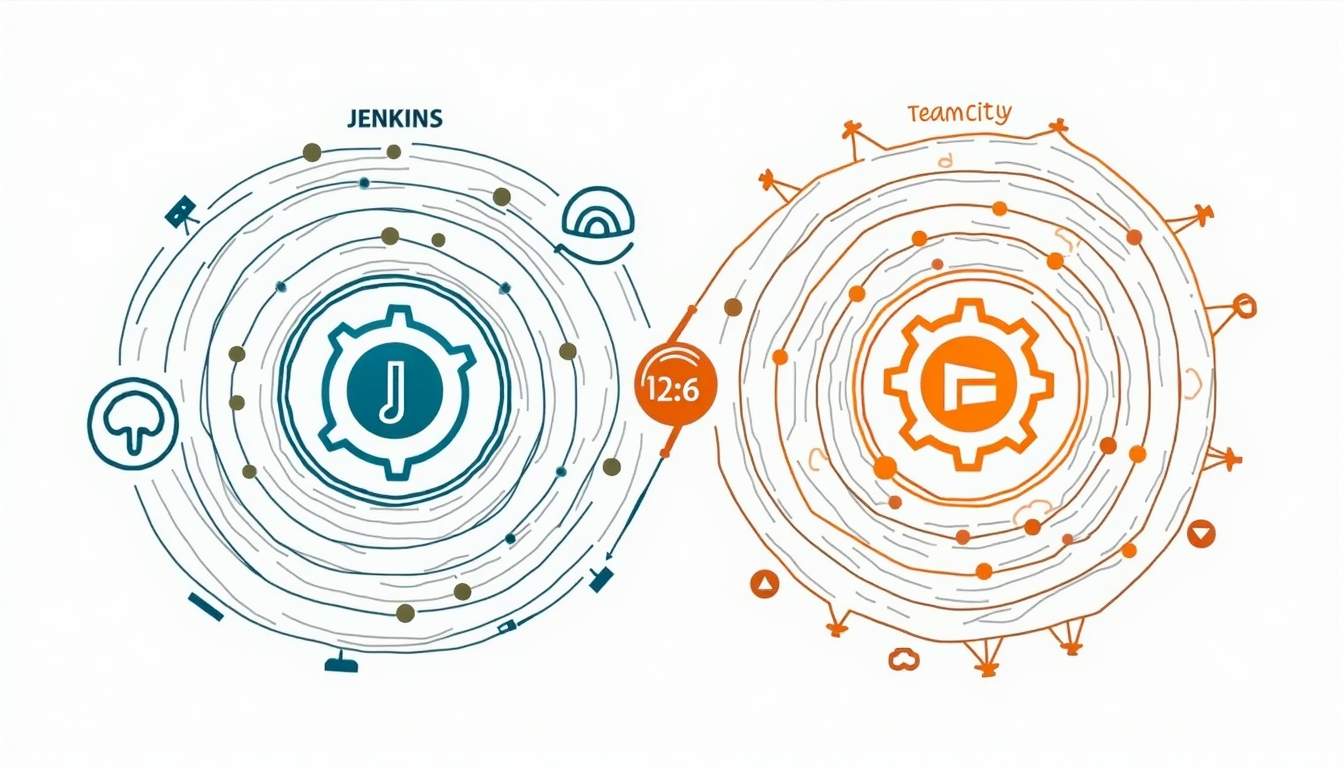
Jenkins and TeamCity solve the same problem — running CI/CD pipelines — but they feel very different in practice. Jenkins is the open-source “build your own platform” option; TeamCity is a polished CI server with strong defaults and a smoother out-of-the-box experience.
Quick takeaway: choose Jenkins if you want maximum flexibility and you can own plugin + upgrade risk. Choose TeamCity if you want a more “curated” CI experience with fewer sharp edges (and you’re ok with licensing for larger usage).
Jenkins vs TeamCity: the fast decision
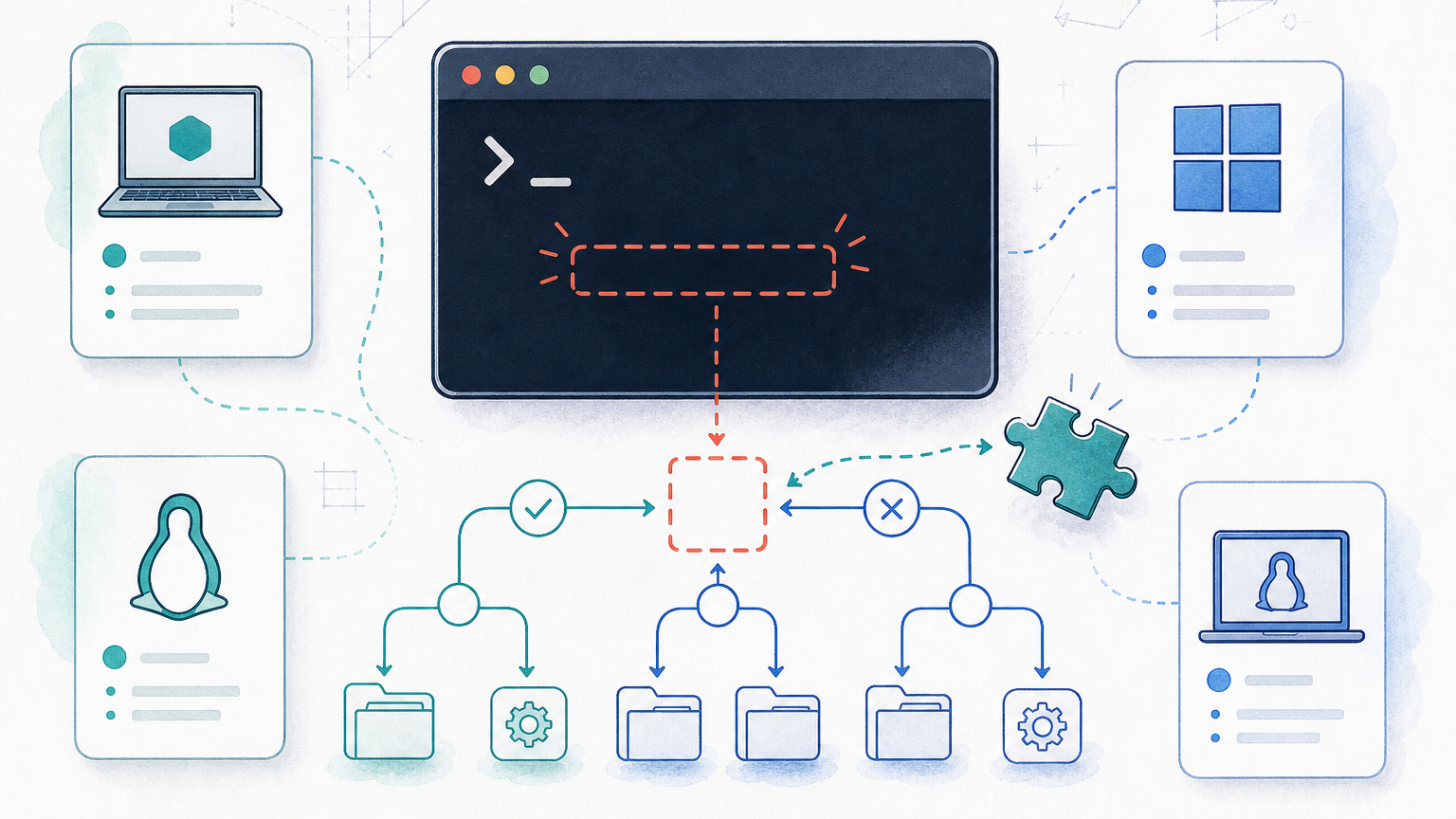
If your team is currently onboarding Jenkins, these step-by-step setup guides can save time: Jenkins on Ubuntu and Jenkins on Windows.
- Small team, want speed: TeamCity is usually faster to make pleasant.
- Large org, unique workflows: Jenkins can be the more flexible long-term bet.
- Heavy compliance / reproducibility: either works, but you’ll need to design for “pipelines as code” + immutable build agents.
What Jenkins is (in one paragraph)
Jenkins is an open-source automation server built around a huge plugin ecosystem. You typically write pipelines in Jenkinsfile (Groovy) or configure jobs in the UI. The upside is flexibility and community integrations. The downside is that you often end up managing plugin compatibility, upgrades, and operational complexity yourself.
What TeamCity is (in one paragraph)
TeamCity is a CI/CD server by JetBrains. It focuses on a smooth UI, strong built-in features, and predictable setup. You still run agents and manage infrastructure, but many “day 2” concerns (templates, build chains, UI ergonomics) are handled more cleanly out of the box.
Key differences that matter in real life
This section is the “what will bite you after week 1” comparison, not a feature checklist.
1) Pipeline-as-code vs “pipeline by UI”
- Jenkins: Jenkinsfile is common, but many teams still drift into UI-heavy configs.
- TeamCity: UI-first, but supports Kotlin DSL (“pipelines as code”) which can reduce config drift.
2) Plugins and upgrade risk
- Jenkins: plugins are both its superpower and the #1 source of fragility.
- TeamCity: fewer moving parts, but you’re relying more on vendor-provided functionality.
Common trap: in Jenkins, installing “just one more plugin” is how teams end up with an un-upgradable CI server. If you go Jenkins, treat plugins like dependencies: minimal set, pinned versions, and a regular upgrade window.
3) Build agents and scalability
Both tools typically run builds on agents. The difference is operational ergonomics:
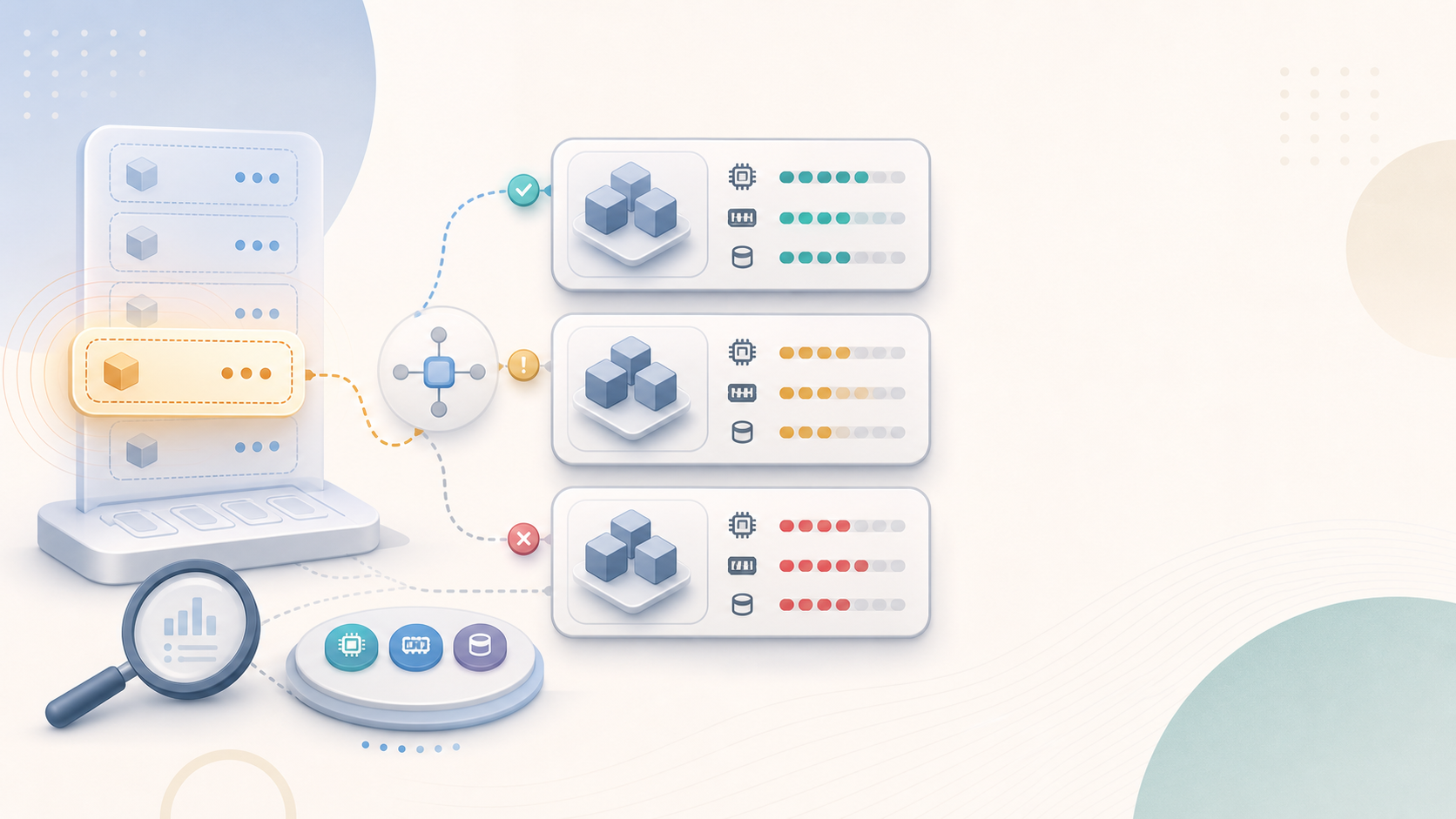
- Jenkins: can scale well, but you’ll often glue together agents, credentials, and caching with extra tooling.
- TeamCity: strong agent management UX and build chains, but you still need to design caching, artifacts, and isolation.
4) Security model and credentials
Both can be run securely, but Jenkins requires more discipline around least-privilege, credential storage, and plugin vetting. TeamCity’s surface area is often smaller, but you still need to harden it (SSO, RBAC, secrets, network access).
Step-by-step: evaluate Jenkins vs TeamCity in 30 minutes
Related: if you want a bigger-picture mental model for what a modern delivery pipeline should look like, see Building CI/CD pipelines that support rapid deployment.
If you’re deciding for a team, do a fast spike instead of debating. Use the same test repo and answer these questions:
- How fast can we run: tests + lint + build artifact?
- How clean is the config in Git?
- How hard is it to add caching (Docker layers, Maven/Gradle cache, npm cache)?
- How good is the UI for debugging failures?
# minimal CI scenario to test in both tools
# 1) run tests
# 2) build artifact
# 3) store artifact
# 4) run on PR and on main

echo "Pick a repo and run tests + build here"Code language: Bash (bash)
Quick check: if the team can’t explain the pipeline by reading a single file in the repo, you don’t have “pipelines as code” — you have a UI-driven black box.
Troubleshooting: the issues you’ll hit first
- Flaky builds because test environments are not isolated (shared agents, shared state).
- Slow pipelines due to missing caches and oversized containers.
- Credential sprawl (too many secrets, unclear ownership, no rotation).
- UI drift (changes made in UI never make it back to Git).
FAQ (real questions)
These are the questions that usually come up during CI tool migrations.
Is Jenkins “dead” in 2026?
No. Jenkins is still widely used. The question isn’t “dead or alive” — it’s whether you want to own the operational complexity and plugin ecosystem.
Is TeamCity only for Java?
No. It works well for many stacks. But it’s especially comfortable in JVM-heavy environments because of first-class integrations and common workflows.
Which one is cheaper?
Jenkins has no license cost, but it’s not free: you pay in engineer time (maintenance, upgrades, plugins). TeamCity has licensing costs at scale, but can reduce operational overhead.
Related guides on RepoNotes
Conclusion
If you want a CI server you can shape into anything (and you can maintain it), Jenkins is the flexible option. If you want a smoother day-to-day CI experience with strong built-in defaults, TeamCity is often the faster path. The best way to decide is a small spike: run the same pipeline in both and compare the experience after your first real failure.

Leave a Reply