

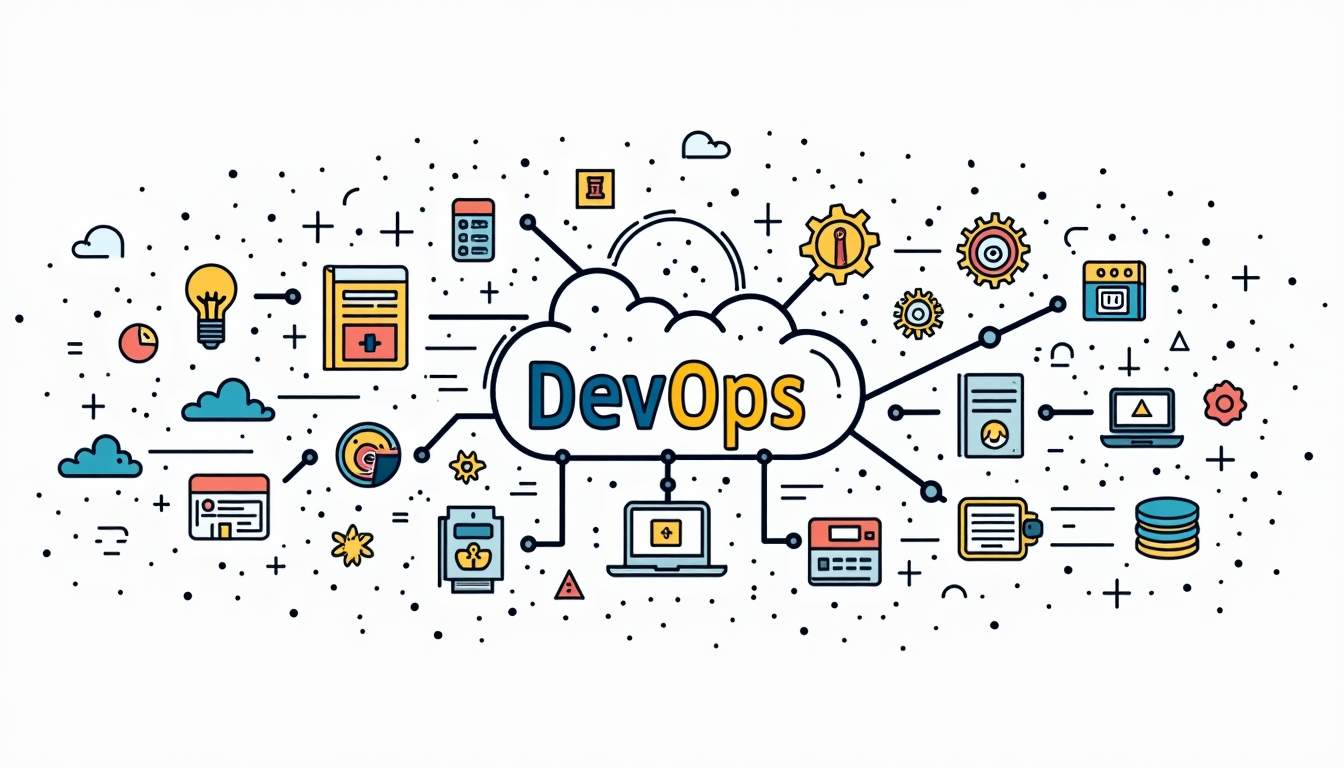
DevOps examples are easiest to understand when you stop treating DevOps as a slogan. A useful example shows a specific operating change: a manual release becomes a repeatable pipeline, a server change becomes reviewed infrastructure code, or an outage becomes a better runbook and alert.
Quick takeaway: The best DevOps examples connect a practice to an outcome. Do not ask whether a team “does DevOps.” Ask which bottleneck changed, what became automated or observable, and how delivery or recovery improved.
How To Read These DevOps Examples
The examples below are patterns you can adapt, not a checklist to copy in order. They line up with themes from DORA research, GitLab developer survey research, Atlassian’s DevOps team guidance, and cloud-native adoption signals from the CNCF annual survey: better delivery depends on feedback loops, automation, reliability, and team ownership.
| Example pattern | What changes | What to measure |
|---|---|---|
| CI/CD pipeline | Build, test, and release steps move from manual handoffs to repeatable automation | Lead time, deployment frequency, failed changes |
| Infrastructure as code | Server, network, and cloud changes become reviewable code | Change review time, drift, rollback speed |
| Deployment safety | Teams add feature flags, canaries, blue-green releases, and rollback paths | Failed change rate, blast radius, restore time |
| Observability | Logs, metrics, traces, and alerts become part of the delivery system | Detection time, noisy alerts, time to diagnose |
| Platform self-service | Developers get paved paths for common tasks | Ticket volume, environment wait time, onboarding time |
Practical DevOps Examples
A good DevOps example has a before and after. The before is usually waiting, guessing, or manually repeating work. The after is a safer, clearer system.
1. CI/CD pipeline for a web service
Before DevOps, a team may build locally, run tests inconsistently, and deploy by following a release document. A DevOps version puts build, test, security checks, artifact creation, and deployment into a pipeline. The point is not the pipeline tool itself. The point is that every change follows the same path and creates evidence.
If the team is already working on pipeline reliability, connect this with Azure CI/CD pipeline optimization and the broader release questions in release management interview questions.
2. Infrastructure changes through pull requests
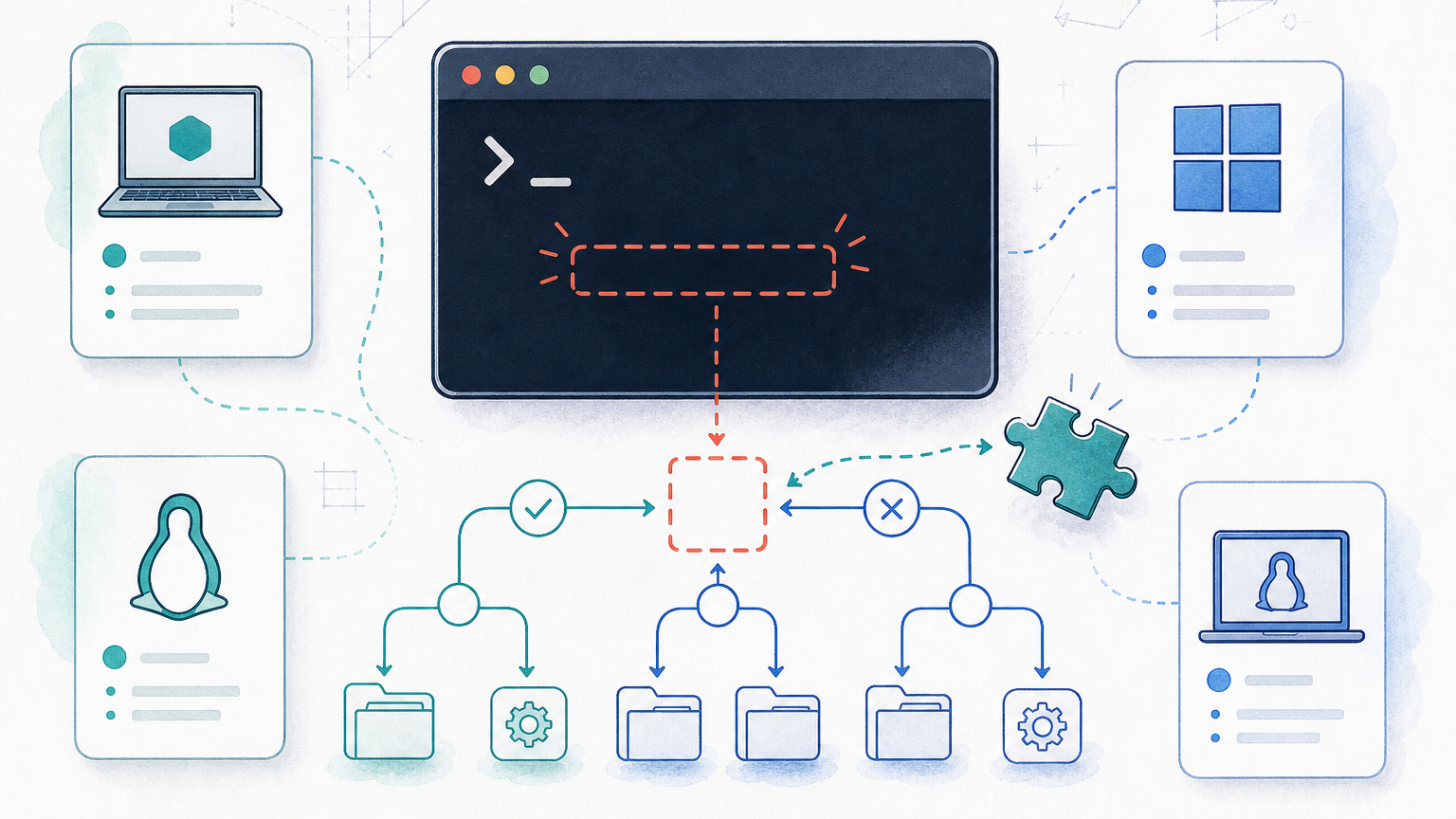
Infrastructure as code is a common DevOps example because it turns invisible manual changes into reviewable work. A firewall rule, Kubernetes manifest, Terraform module, or cloud IAM change should have the same basic hygiene as application code: review, test, history, and rollback thinking.
3. Safer production deployments
A mature DevOps team does not only deploy more often. It makes each deployment less scary. Examples include feature flags, canary releases, blue-green deployments, automatic smoke tests, and clear rollback commands. The team should know what happens if the release is half successful, not only what happens when everything works.
4. Observability that developers actually use
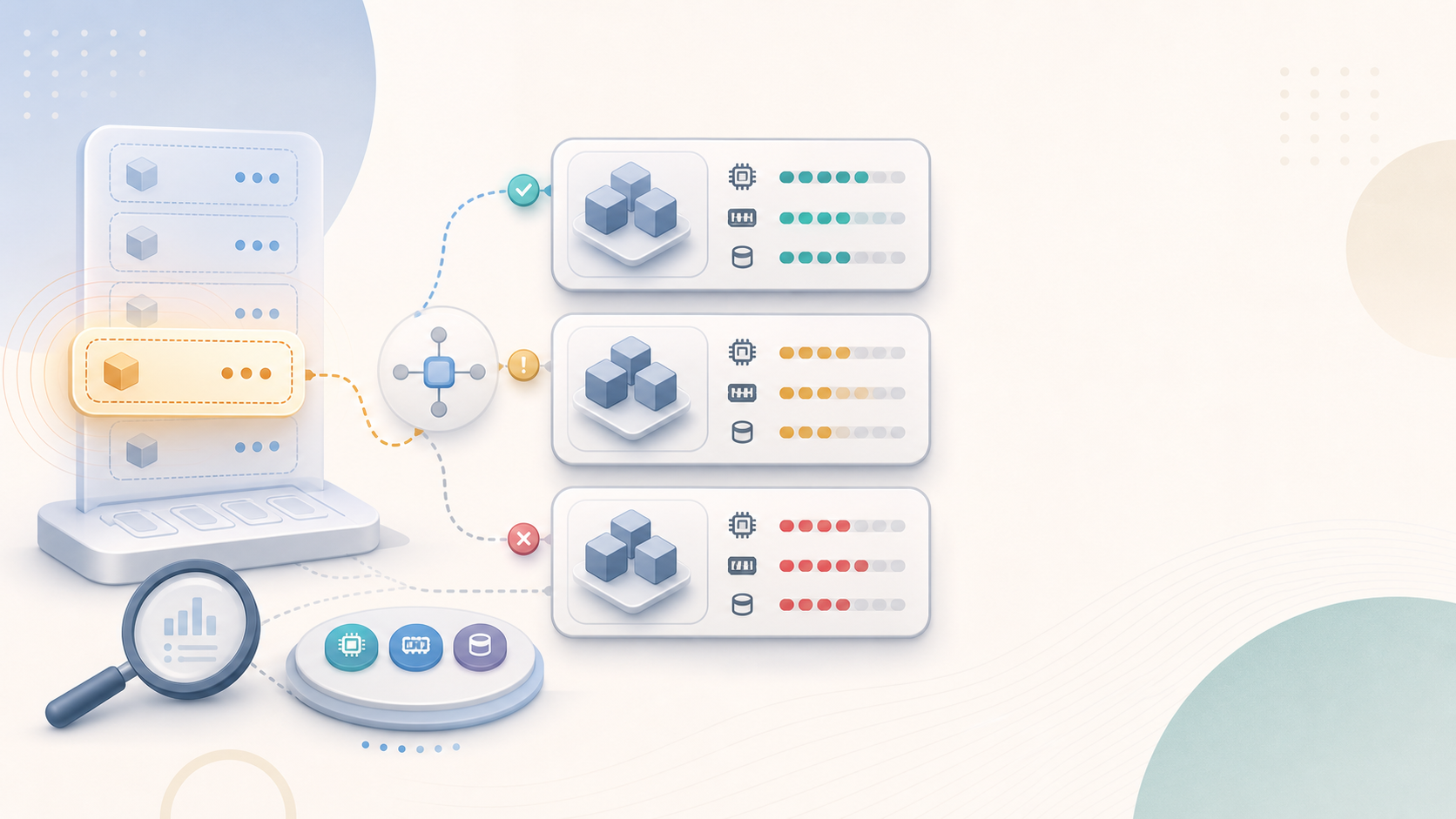
Monitoring is not just an operations dashboard. A DevOps example is a service where developers can see whether a release changed latency, errors, saturation, or customer-visible behavior. The monitoring stack should answer “what changed?” faster than a chat thread can. For a deeper stack view, see DevOps monitoring tools and best practices.
5. Incident response with runbooks and follow-up work
Incident response becomes a DevOps practice when it produces learning. A useful runbook explains how to identify the issue, reduce customer impact, escalate, and verify recovery. The follow-up should remove one source of repeat pain: a better alert, a safer default, a clearer dashboard, or an automated check.
6. Security checks inside the delivery path
DevSecOps is practical when it catches real risk without turning every release into a committee meeting. Examples include dependency scanning, secret detection, container image scanning, infrastructure policy checks, and required reviews for high-risk changes. The best security checks are close to the work and clear enough for engineers to fix.
7. Platform self-service for common developer tasks
A platform team can reduce friction by giving developers paved paths: service templates, environment creation, deployment workflows, logging defaults, and golden paths for common runtime patterns. This is where DevOps and platform engineering meet. For role boundaries, compare platform engineer vs DevOps engineer.
8. Cloud cost and reliability feedback loops
Cloud operations become a DevOps example when cost, reliability, and ownership are visible to the team making changes. Tagging, budget alerts, rightsizing, autoscaling, and cleanup jobs are not finance-only tasks. They are part of operating software responsibly.
Where These Examples Fit In A Team
The same DevOps example can be too small, just right, or too heavy depending on team maturity. A five-person team does not need a full internal developer platform on day one. A regulated enterprise probably needs stronger change control than a small product team.
| Team stage | Best first examples | Avoid starting with |
|---|---|---|
| Early stage | CI checks, basic monitoring, deployment notes, simple rollback path | A complex platform program with no clear owner |
| Growing product team | Infrastructure as code, release automation, alert cleanup, service templates | Tool sprawl without standards |
| Multi-team organization | Golden paths, shared observability, incident process, security guardrails | Centralized bottlenecks that slow every team |
| Regulated environment | Auditable pipelines, policy as code, separation of duties, documented approvals | Manual approvals with no evidence trail |
DevOps Examples vs DevOps Implementation
Examples show what a practice looks like. Implementation is the sequence of changes that makes it stick. That distinction matters because copying the example without changing ownership usually fails. If you need the rollout view, read what DevOps implementation actually looks like for mid-size companies. If you are trying to avoid predictable traps, pair this with 7 mistakes to avoid during DevOps implementation.
| If the problem is… | A practical DevOps example is… | The mistake to avoid |
|---|---|---|
| Slow releases | Automated pipeline with smoke tests and rollback steps | Measuring only deployment count, not release safety |
| Unreliable environments | Infrastructure as code plus drift checks | Letting manual hotfixes bypass review |
| Noisy incidents | Alert review and service-level dashboards | Adding more alerts without ownership |
| Developer waiting time | Self-service templates and paved paths | Building a platform nobody helped design |
FAQ
Use these answers to choose the right first example for your team instead of copying a generic DevOps roadmap.
What is a DevOps example?
A DevOps example is a concrete change that improves how software moves from code to production, such as automated testing, infrastructure as code, safe deployments, observability, or incident response.
Which DevOps example should a team start with?
Start with the bottleneck that hurts delivery most. For many teams that means a reliable CI pipeline, basic monitoring, rollback procedures, or infrastructure changes reviewed through version control.
Is DevOps only about CI/CD?
No. CI/CD is a common DevOps example, but DevOps also includes collaboration, reliability engineering, security checks, platform self-service, cloud operations, and feedback loops.
How do you know a DevOps practice is working?
Track practical outcomes: deployment frequency, lead time, failed change rate, time to restore service, alert quality, developer wait time, and the number of manual steps removed from releases.
Can small teams use DevOps practices?
Yes. Small teams should avoid heavy platform programs at first. Start with version-controlled infrastructure, simple CI checks, deployment notes, monitoring, and clear ownership for production issues.
Bottom Line
The strongest DevOps examples are specific. They show what changed in the delivery system, who owns it, and how the team knows it is working. Start with one bottleneck, improve it with a visible practice, measure the result, then move to the next constraint.

Leave a Reply