


Docker has become an essential tool in modern software development, enabling developers to build, ship, and run applications in lightweight containers. As container usage grows exponentially—Docker Hub alone saw total pulls reach 242 billion in 2024—efficient management of Docker resources is more important than ever. One of the key commands for maintaining a clean and optimized Docker environment is docker prune. This guide delves deep into what Docker prune is, why it matters, and how to use it effectively to keep your container ecosystem healthy.
What Is Docker Prune and Why Is It Important?
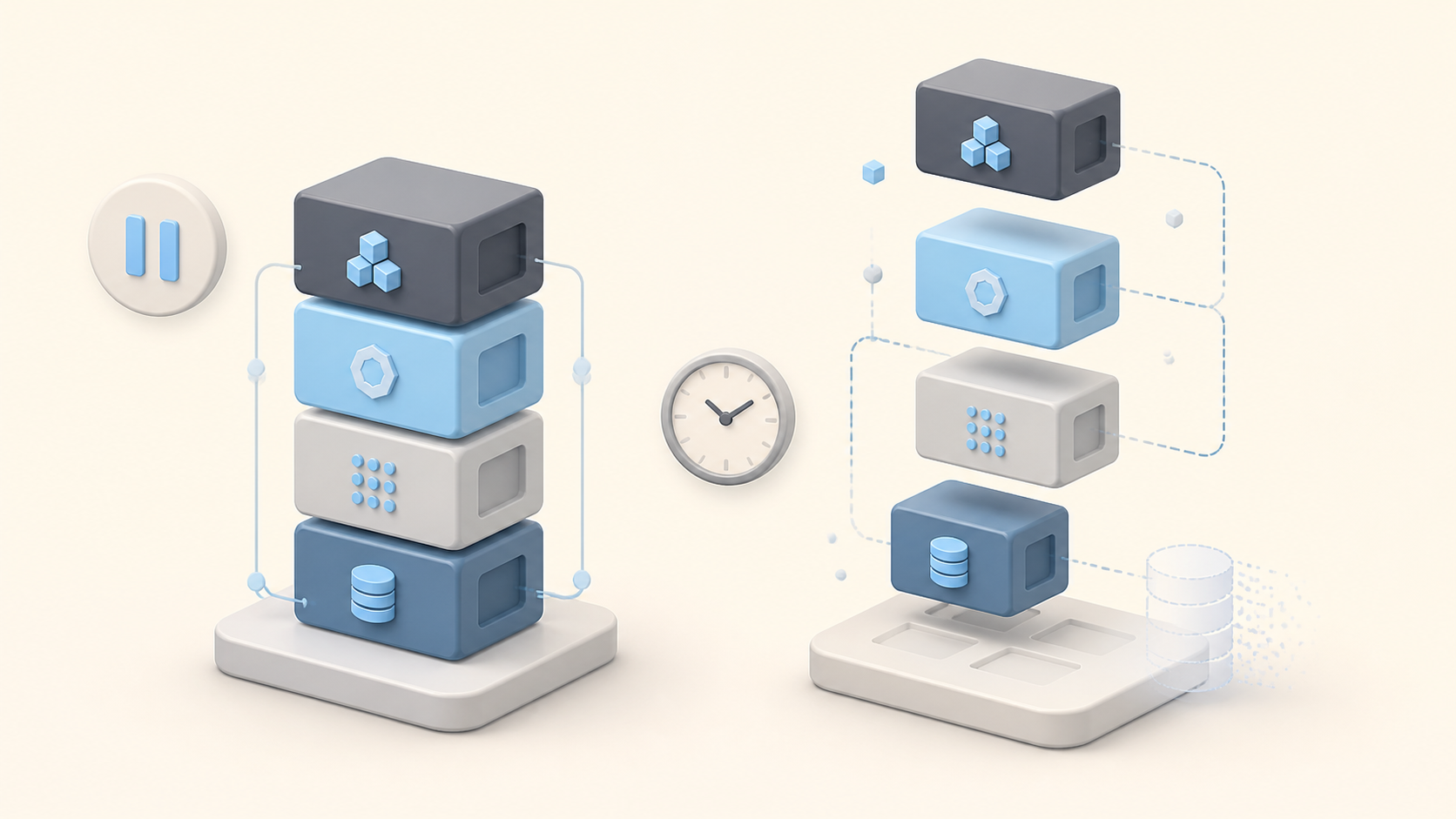
Docker prune is a set of commands designed to remove unused Docker objects such as containers, images, volumes, and networks. Over time, as containers are created, stopped, and discarded, unused resources accumulate and consume valuable disk space. This can lead to slower build times, increased storage costs, and cluttered environments that are difficult to manage.

Using Docker prune commands helps developers and system administrators reclaim disk space and improve performance by cleaning up these unused resources. Given the rapid growth in Docker usage, with nearly doubling of Docker Hub pulls in just over six months, managing container resources efficiently is critical to sustaining development velocity and operational stability. Moreover, as teams adopt microservices architectures, the number of containers can multiply quickly, making regular maintenance even more essential for keeping systems running smoothly.
Types of Docker Prune Commands
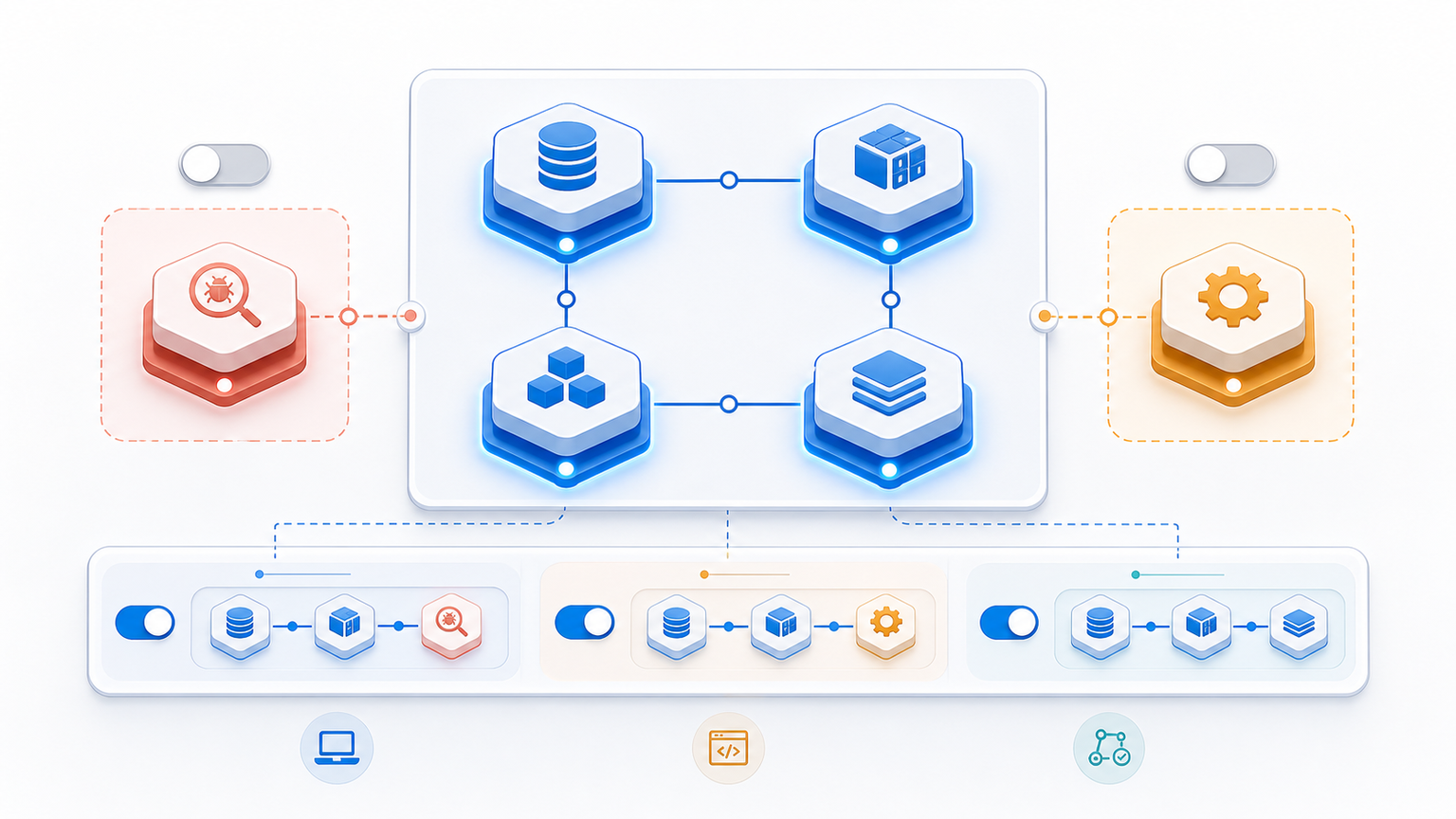
Docker provides several prune commands, each targeting different types of unused objects:
docker container prune– Removes all stopped containers.docker image prune– Removes dangling images (images not tagged and not referenced by any container).docker volume prune– Removes unused volumes that are not referenced by any container.docker network prune– Removes unused networks not used by any container.docker system prune– A comprehensive command that removes all unused containers, images, volumes, and networks.
Each command can be run individually or combined with flags to tailor the cleanup process to your needs. For instance, the --all flag can be added to the docker image prune command to remove all unused images, not just the dangling ones. This level of customization allows for a more granular approach to resource management, ensuring that only the desired elements are removed while retaining essential components for ongoing development.
In addition to the basic prune commands, Docker also offers options to preview what will be deleted before executing the command. Using the --dry-run flag can provide insights into potential space savings and help prevent accidental deletions. This feature is particularly beneficial in production environments, where the risk of losing critical data or configurations can have significant repercussions. By regularly utilizing Docker prune commands, teams can maintain cleaner environments, reduce the risk of conflicts, and enhance the overall efficiency of their containerized applications.
How Docker Prune Enhances Efficiency and Performance
Containerized applications often rely on multiple layers of images and volumes. Over time, these layers can grow significantly, leading to increased storage consumption and longer build times. A recent study on Dockerfile refactoring found that automating Dockerfile improvements can reduce image sizes by an average of 32%, alongside a 6% decrease in build duration. While this study focuses on Dockerfiles, the principle of optimizing container resources extends naturally to pruning unused objects.

By regularly pruning unused containers and images, developers can reduce the clutter that slows down Docker operations. This is especially relevant as enterprises invest heavily in container visibility and monitoring infrastructure—over $460 million was allocated globally in 2023, with more than half focused on upgrading monitoring stacks. Efficient resource management through pruning complements these investments by ensuring that monitoring systems track only active and relevant containers.
Impact on Build and Deployment Workflows
In April 2026, Docker introduced the beta of Docker AI Agent, which integrates intelligent automation into container build and deployment workflows. This innovation highlights the growing role of automation in container management. Pruning unused resources fits naturally into these automated workflows, enabling continuous cleanup without manual intervention.
Automated pruning can help maintain lean environments, reducing build times and preventing resource exhaustion. This is particularly important as the industry moves toward serverless architectures, with projections indicating that by 2026, 80% of cloud-native applications will be deployed using serverless models. In such dynamic environments, automated cleanup ensures that ephemeral containers and resources do not accumulate unnecessarily.
Furthermore, the integration of Docker Prune into CI/CD pipelines can lead to more predictable and stable deployments. By routinely eliminating outdated images and unused volumes, teams can avoid the pitfalls of dependency conflicts and version mismatches that often arise from bloated environments. This proactive approach not only enhances the reliability of deployments but also fosters a culture of efficiency among development teams, encouraging them to prioritize resource optimization as a key aspect of their workflow.
Additionally, the environmental impact of container management cannot be overlooked. As organizations strive to reduce their carbon footprint, efficient resource usage through pruning becomes a vital strategy. By minimizing the storage and computational resources consumed by inactive containers, companies can contribute to sustainability goals while also cutting costs associated with cloud storage and processing. This dual benefit of cost savings and environmental responsibility is increasingly becoming a priority for organizations aiming to align their operational practices with broader corporate social responsibility initiatives.
Using Docker Prune Commands: Best Practices and Examples
While Docker prune commands are powerful, they must be used cautiously to avoid accidentally deleting resources still in use. Here are some best practices to follow when using Docker prune:

1. Understand What You’re Deleting
Before running any prune command, it’s important to understand the scope. For example, docker container prune only removes stopped containers, but active containers remain untouched. However, docker system prune can remove a broader set of resources, so reviewing what will be deleted is crucial.
You can preview the resources that will be removed by running commands such as docker images -f dangling=true to list dangling images or docker volume ls -f dangling=true for unused volumes.
2. Use the --filter Option
Docker prune commands support filters to refine what gets removed. For example, you can prune containers that have been stopped for longer than a certain duration:
docker container prune --filter "until=24h"This command removes containers stopped more than 24 hours ago, allowing you to keep recently stopped containers for troubleshooting or auditing.
3. Schedule Regular Cleanup
Integrate pruning into your CI/CD pipelines or system maintenance schedules. Regular cleanup prevents resource bloat and keeps environments performant. Automated pruning can be combined with Docker AI Agent’s intelligent automation capabilities to optimize resource management continuously.
4. Backup Important Data
Volumes often contain persistent data. Before pruning volumes, ensure that important data is backed up or no longer needed. Accidental deletion of volumes can lead to data loss.
Example: Running a Safe System Prune
To safely clean up your Docker environment, you might run:
docker system prune --volumes --filter "until=72h"This command removes all unused containers, images, networks, and volumes that have not been used in the last 72 hours, minimizing the risk of deleting actively used resources.
Common Pitfalls and How to Avoid Them
Despite its usefulness, Docker prune commands can cause issues if used improperly. Here are some common pitfalls and tips to avoid them:
Accidental Data Loss
Volumes store persistent data outside of containers. Pruning volumes without verifying their usage can lead to irreversible data loss. Always double-check volume usage with docker volume ls and consider backing up important volumes before pruning.
Deleting Images Still in Use
While pruning typically targets dangling images, using aggressive prune commands without filters might remove images used by stopped containers. This can cause issues when restarting containers or rebuilding images.
Overlooking Dependencies
Networks and volumes might be shared among multiple containers. Removing them without understanding dependencies can disrupt running services.
The Future of Docker Management and Automation
As containerization continues to evolve, the management of Docker environments is becoming more sophisticated. The integration of AI and automation tools, such as Docker AI Agent introduced in 2026, is transforming how developers handle container lifecycles. Intelligent pruning, automated refactoring, and real-time monitoring are key trends shaping the future.
Given the dramatic growth in Docker usage and the shift toward serverless architectures, efficient resource management is no longer optional. It’s a necessity for maintaining fast, scalable, and cost-effective software delivery pipelines.
Moreover, the Docker AI Trends Report 2024 emphasizes that AI is not just a passing trend but a fundamental shift in software development. Leveraging AI-driven automation for tasks like pruning will empower developers to focus more on innovation and less on routine maintenance.
Conclusion
Docker prune commands are vital tools for maintaining clean, efficient, and performant container environments. With Docker usage surging and container ecosystems becoming more complex, regular pruning helps reclaim disk space, reduce build times, and prevent resource clutter. By understanding the different prune commands, applying best practices, and integrating pruning into automated workflows, developers and IT teams can optimize their Docker environments effectively.
As the industry embraces AI-driven automation and serverless deployment models, the role of intelligent resource management will only grow in importance. Staying informed and proactive with Docker pruning ensures that containerized applications run smoothly and scale effortlessly.
For anyone working extensively with Docker, mastering Docker prune is an indispensable skill that supports sustainable development and operational excellence.

Leave a Reply