

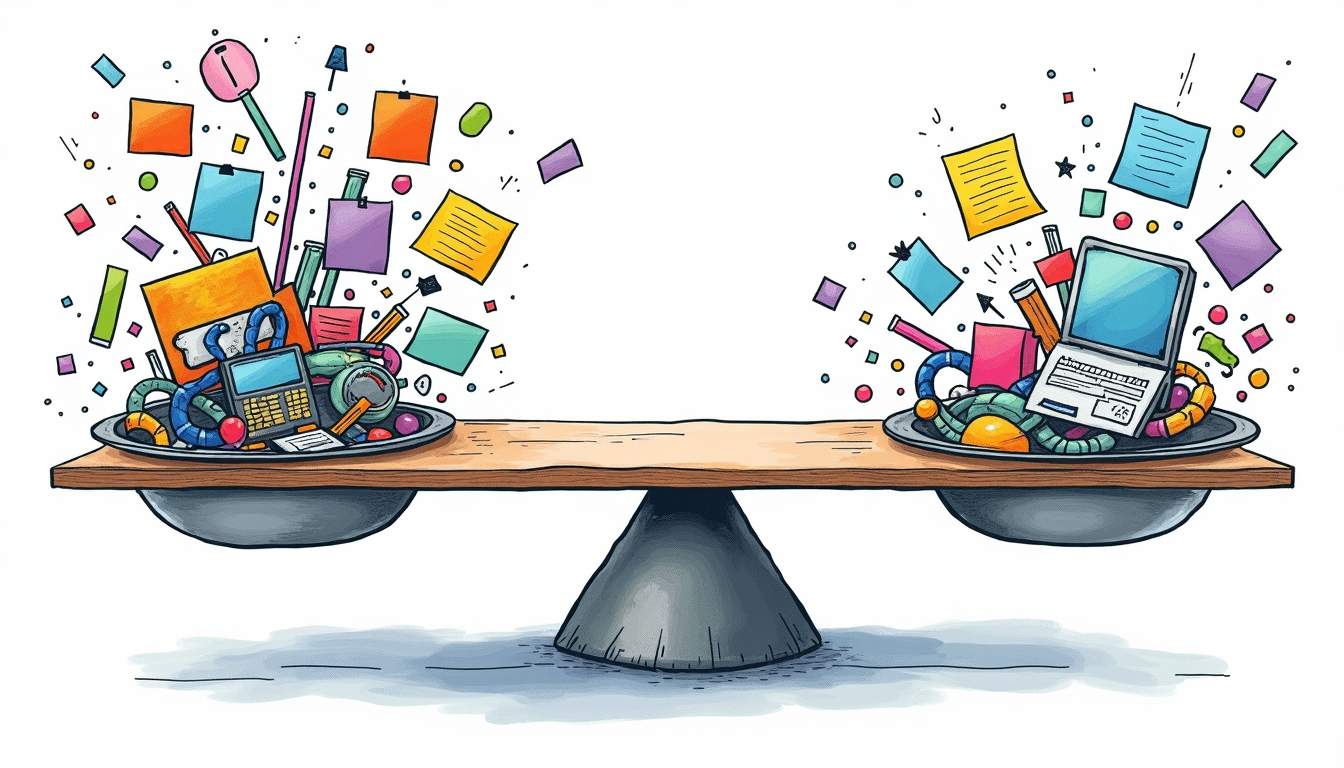
In the evolving world of project management, Agile methodologies have gained significant traction for their flexibility and iterative approach. However, to fully appreciate Agile, it is essential to understand its opposite: traditional project management methodologies. Often characterized by rigid structures and sequential processes, traditional methodologies continue to play a critical role in many industries and projects. This article explores the core principles, advantages, challenges, and relevance of traditional project management, providing a comprehensive perspective for professionals navigating today’s complex project landscapes.
What Defines Traditional Project Management?
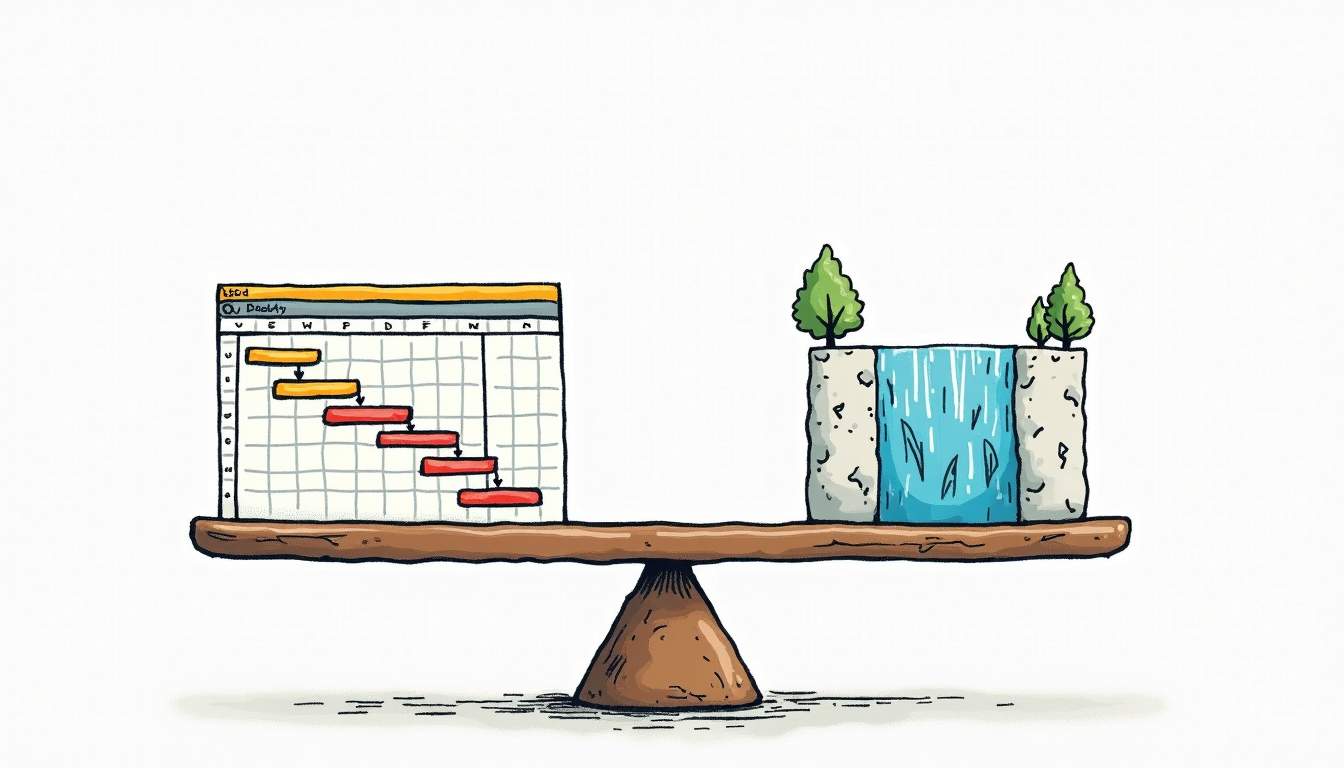
Traditional project management, sometimes called the Waterfall methodology, is a linear and sequential approach to managing projects. It emphasizes thorough planning, fixed scope, and a clear progression through distinct phases such as initiation, planning, execution, monitoring, and closure.
Unlike Agile’s adaptive cycles, traditional methods rely on detailed upfront documentation and a structured timeline where each phase must be completed before moving to the next. This approach is often preferred in environments where project requirements are well-understood and unlikely to change significantly. Industries such as construction, manufacturing, and large-scale infrastructure projects frequently adopt this methodology, as it allows for meticulous planning and resource allocation, ensuring that every aspect of the project is accounted for before execution begins.
Key Characteristics of Traditional Methodologies
Traditional project management is marked by several defining features:
- Fixed Scope and Requirements: Project goals and deliverables are clearly defined at the outset, with minimal changes expected throughout the project lifecycle.
- Sequential Phases: The project progresses through a series of predetermined stages, each with specific deliverables and milestones.
- Comprehensive Documentation: Detailed plans, schedules, and reports are created and maintained to track progress and ensure accountability.
- Centralized Control: Decision-making authority typically rests with project managers who oversee the entire process.
In addition to these characteristics, traditional project management often involves a rigorous risk management process. This entails identifying potential risks at the planning stage and developing mitigation strategies to address them. By anticipating challenges before they arise, project managers can create contingency plans that help keep the project on track, even in the face of unforeseen circumstances. Moreover, the emphasis on documentation not only aids in accountability but also ensures that lessons learned from past projects are recorded and can inform future endeavors, contributing to a culture of continuous improvement.
Another notable aspect of traditional project management is its focus on stakeholder engagement. Throughout the project lifecycle, stakeholders are kept informed through regular status updates and review meetings. This structured communication helps to manage expectations and fosters a sense of ownership among stakeholders, as they are able to see the project evolve through its various phases. By maintaining this level of transparency, traditional project management can build trust and ensure that all parties are aligned with the project’s objectives, ultimately contributing to its success.
Advantages of Traditional Project Management
Despite the growing popularity of Agile, traditional methodologies offer distinct benefits that make them suitable for certain types of projects.

Predictability and Clarity
One of the strongest advantages of traditional project management is its predictability. With clearly defined scope, timelines, and budgets established early, stakeholders have a solid understanding of what to expect. This clarity reduces uncertainty and facilitates easier resource allocation and risk management. Furthermore, the linear progression of traditional project management allows for a systematic approach to tracking progress, making it easier to identify potential delays or issues before they escalate. This structured framework is particularly beneficial in industries where timing is critical, such as in pharmaceuticals or aerospace, where project delays can lead to significant financial losses or safety concerns.
Strong Documentation and Control
Traditional methods emphasize comprehensive documentation, which provides a detailed record of project activities and decisions. This can be invaluable for regulatory compliance, auditing, and knowledge transfer. Centralized control also helps maintain consistency and alignment with organizational objectives. In addition, the rigorous documentation process serves as a historical reference that can be leveraged for future projects, allowing teams to learn from past experiences and improve their methodologies over time. This aspect is especially important in sectors like finance and healthcare, where maintaining a clear paper trail is not just beneficial but often legally mandated.
Suitability for Fixed-Requirement Projects
Projects with stable requirements, such as construction, manufacturing, or regulatory compliance initiatives, often benefit from the structured approach of traditional methodologies. The sequential nature ensures that each phase is completed thoroughly before the next begins, minimizing rework and scope creep. For instance, in construction projects, adhering to a traditional project management framework allows for a detailed blueprint to be followed, ensuring that all safety regulations and building codes are met before moving on to subsequent phases. This methodical approach not only enhances the quality of the final deliverable but also fosters a sense of accountability among team members, as each phase’s completion is tied to specific, measurable outcomes.
Challenges and Limitations of Traditional Methodologies
While traditional project management has its strengths, it also faces significant challenges, especially in today’s fast-paced and dynamic business environments.
Inflexibility to Change
Traditional methodologies are often criticized for their rigidity. Once the project scope and plan are set, accommodating changes can be difficult and costly. This inflexibility can lead to issues when client needs evolve or unforeseen obstacles arise during execution. For instance, in industries such as technology and software development, where innovation is rapid, the inability to pivot can result in a product that is outdated by the time it is delivered. Agile methodologies, in contrast, promote iterative development and continuous feedback, allowing teams to adapt quickly to changing requirements.
Higher Risk of Project Failure Due to Scope Issues
Poor scope management is a critical risk factor in traditional projects. According to recent industry data, 44% of projects fail due to poor scope management (Gitnux). Traditional approaches, with their fixed scope, can struggle to adapt to scope changes, increasing the likelihood of project overruns or failure. This challenge is compounded by the fact that stakeholders may not fully understand the implications of their requests for changes, leading to miscommunication and further complicating project dynamics. As a result, project managers must invest significant time and resources into managing stakeholder expectations, which can detract from the overall efficiency of the project.
Cost Overruns and Delays
Traditional projects are prone to cost overruns and schedule delays, especially when initial estimates are inaccurate or when unexpected changes occur. The average project cost overrun is reported to be 27%, highlighting the financial risks associated with rigid project plans (Ravetree). These overruns can stem from various factors, including underestimating resource requirements, misallocating budgets, or failing to account for external dependencies. Additionally, delays in project timelines can lead to lost opportunities, as businesses may miss critical market windows or fall behind competitors who can adapt more swiftly. The cumulative effect of these issues often results in diminished stakeholder confidence and can tarnish the reputation of the project team or organization as a whole.
Comparing Traditional and Agile Methodologies
Understanding the differences between traditional and Agile methodologies helps organizations choose the right approach for their projects.
Flexibility vs. Predictability
Agile methodologies prioritize flexibility, continuous feedback, and iterative delivery, making them well-suited for projects with evolving requirements. In contrast, traditional methods emphasize predictability and thorough upfront planning, which works best when requirements are stable.
Success Rates and Adoption Trends
Recent statistics show that Agile projects are 28% more successful than traditional projects, reflecting their ability to adapt and deliver value continuously (WorldMetrics). Additionally, 71% of organizations report using Agile methods in their project management practices, underscoring Agile’s growing dominance (WorldMetrics).
However, traditional methodologies remain relevant, particularly in industries where regulatory compliance and fixed scopes are paramount.
Tool Utilization in Project Management
Regardless of methodology, project management tools play a crucial role in project success. Data indicates that 77% of high-performing projects use project management tools to enhance collaboration, tracking, and communication (Gitnux).
These tools can be adapted to support both traditional and Agile workflows, helping teams maintain control and visibility throughout the project lifecycle.
When to Choose Traditional Methodologies
Choosing the right project management approach depends on the nature of the project, organizational culture, and stakeholder expectations.
Projects with Clear, Unchanging Requirements
Traditional methodologies excel in projects where the scope is well-defined and unlikely to change. Examples include infrastructure development, manufacturing processes, and compliance-driven projects where deviations from the plan can have serious consequences.
Regulatory and Compliance Contexts
Industries such as healthcare, finance, and government often require extensive documentation and adherence to strict standards. The structured nature of traditional project management aligns well with these needs, ensuring traceability and accountability.
Organizations with Established Hierarchies
In organizations with centralized decision-making and formal communication channels, traditional methodologies provide a familiar framework that supports clear roles and responsibilities.
Integrating Traditional and Agile Approaches
Rather than viewing traditional and Agile methodologies as mutually exclusive, many organizations adopt hybrid approaches that combine the strengths of both.
Hybrid Project Management
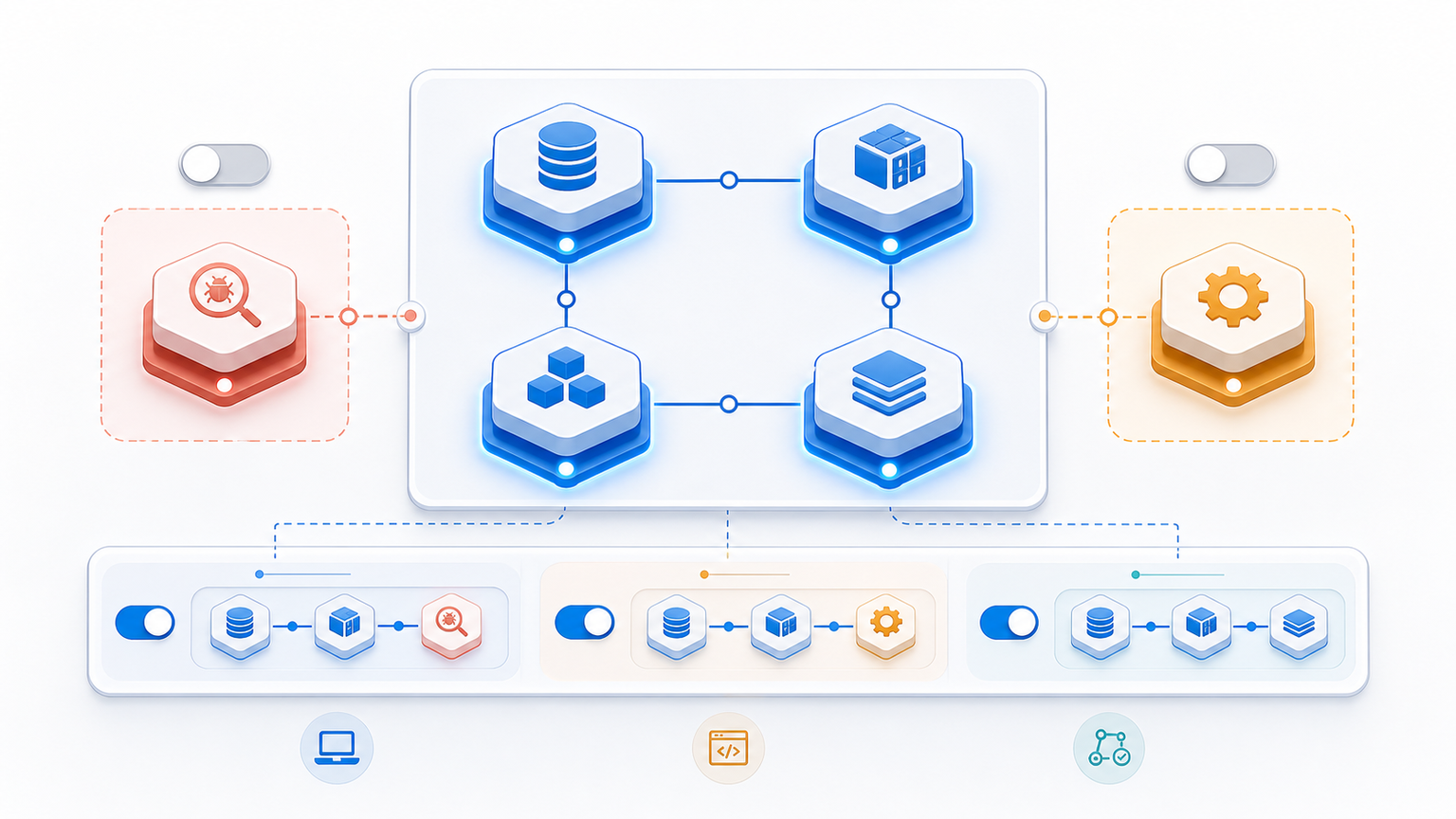
Hybrid models blend traditional planning and control with Agile’s iterative delivery and flexibility. This approach allows teams to maintain predictability while adapting to change, making it suitable for complex projects with varying requirements.
Incremental Adoption of Agile Practices
Organizations rooted in traditional methods may gradually introduce Agile practices such as daily stand-ups, sprints, and retrospectives to improve responsiveness without abandoning their existing frameworks.
Leveraging Technology
Modern project management software supports hybrid workflows, enabling teams to customize processes, track progress, and manage scope effectively. With the global project management software market expected to reach $10.19 billion by 2023, investment in these tools is a strategic priority for many organizations (Gitnux).
Conclusion
Traditional project management methodologies remain a vital part of the project management landscape. Their structured, predictable approach suits projects with fixed requirements and regulatory demands. However, challenges such as inflexibility and scope management issues highlight the need for careful application and potential integration with Agile practices.
Understanding the strengths and limitations of traditional methodologies empowers organizations to make informed choices, optimize project outcomes, and navigate the complexities of modern project delivery. Whether used alone or in combination with Agile, traditional project management continues to provide a foundation for successful project execution across diverse industries.


Leave a Reply