


As organizations continue to embrace DevOps practices, proficiency in Continuous Integration and Continuous Delivery (CI/CD) has become a critical skill for IT professionals. With the global CI/CD market expected to nearly double by 2030, growing at an approximate 11% CAGR, understanding the core concepts and tools of CI/CD is essential for anyone pursuing a career in DevOps. This article presents the top DevOps CI/CD interview questions and answers for 2026, helping candidates prepare effectively for their interviews and stay ahead in this rapidly evolving field.
Understanding the Basics of CI/CD
What is CI/CD and why is it important in DevOps?
Continuous Integration (CI) and Continuous Delivery (CD) are practices that automate the process of software development, testing, and deployment. CI involves automatically integrating code changes into a shared repository several times a day, while CD automates the delivery of validated code to production or staging environments.
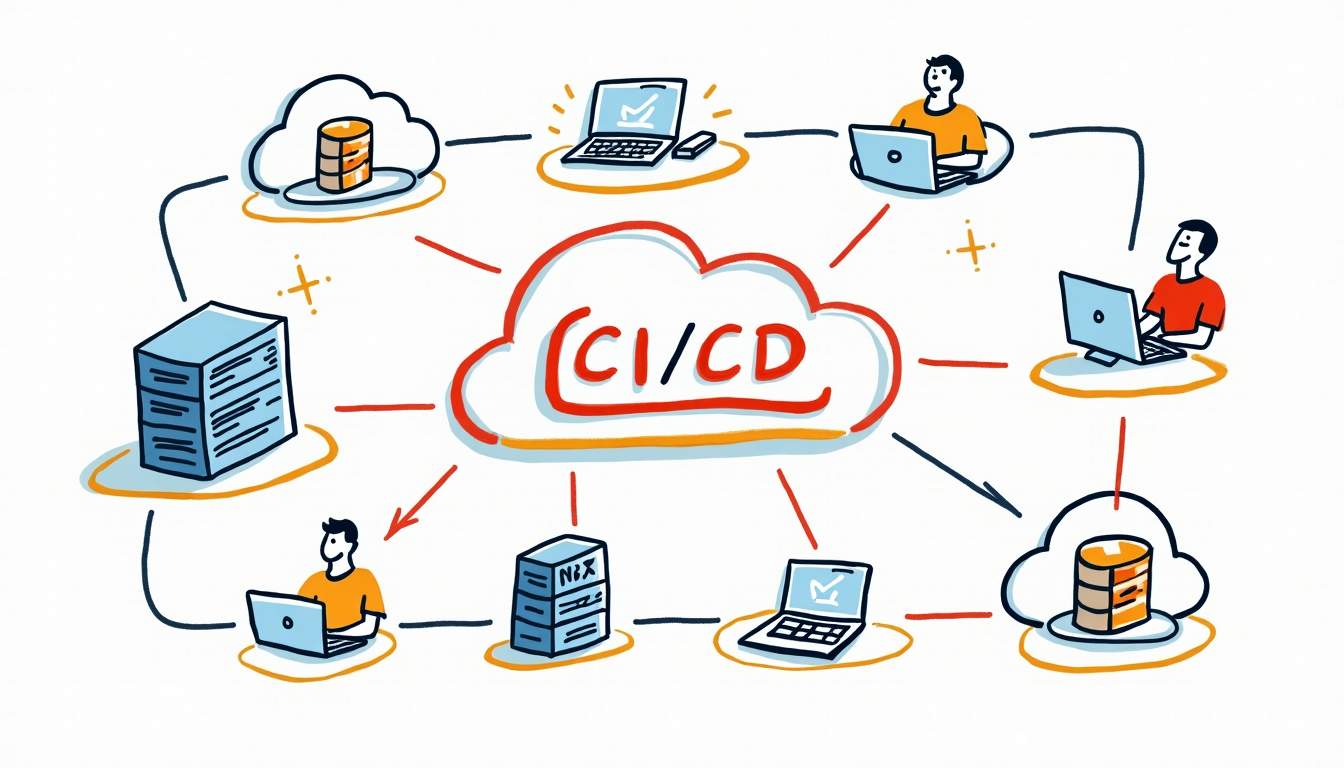
CI/CD is crucial in DevOps because it accelerates the software development lifecycle, reduces human error, and improves product quality. According to recent research, 85% of organizations implementing DevOps workflows now include CI/CD as a core component, highlighting its importance in modern software delivery. By adopting CI/CD, teams can ensure that their software is always in a deployable state, which not only enhances the speed of delivery but also allows for more frequent updates and feature releases. This responsiveness to market demands is essential in today’s fast-paced digital landscape, where user expectations are continually evolving.
How does CI/CD improve developer productivity?
CI/CD pipelines automate repetitive tasks such as building, testing, and deploying code, freeing developers to focus on writing quality code. This automation leads to faster feedback loops, enabling developers to detect and fix issues early.
Supporting this, 84% of developers report that DevOps tools, including CI/CD, have significantly improved their productivity. By streamlining workflows, CI/CD fosters a more efficient and collaborative development environment. Additionally, the integration of CI/CD with version control systems allows teams to work concurrently on different features without the fear of conflicts, as the automated processes help manage and merge changes seamlessly. This collaborative approach not only boosts morale but also encourages knowledge sharing among team members, leading to a more skilled and versatile workforce.
What are the main components of a CI/CD pipeline?
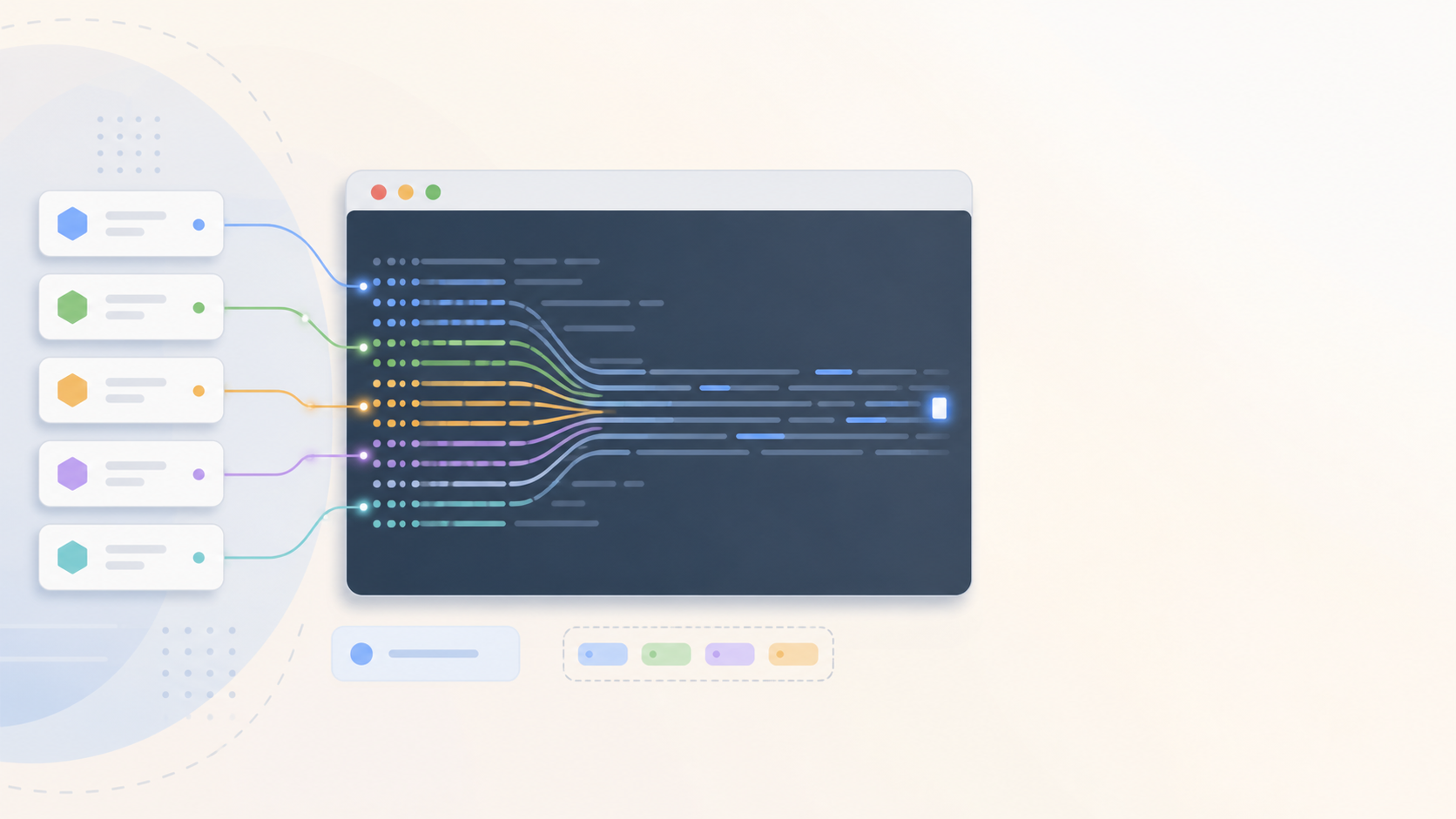
A typical CI/CD pipeline includes several stages: source code management, build automation, automated testing, deployment, and monitoring. Each stage ensures that code changes are validated and delivered reliably.
Tools like Jenkins, which commands over 46% of the CI/CD market share, are widely used to orchestrate these stages, integrating with various testing and deployment tools to create seamless pipelines. Beyond Jenkins, there are numerous other tools available, such as GitLab CI, CircleCI, and Travis CI, each offering unique features tailored to different development environments. These tools not only facilitate the automation of the pipeline but also provide valuable insights through metrics and reporting, allowing teams to continuously improve their processes. Furthermore, the integration of containerization technologies like Docker and orchestration platforms like Kubernetes with CI/CD pipelines has revolutionized how applications are deployed and managed, enabling greater scalability and consistency across environments.
Key Tools and Technologies in CI/CD
Which CI/CD tools are most popular in 2026?
Jenkins remains the leading CI/CD tool, commanding 46.35% of the market, thanks to its flexibility and extensive plugin ecosystem. Other popular tools include GitLab CI, CircleCI, Travis CI, and Azure DevOps. Each of these tools offers unique features tailored to different team needs, such as GitLab CI’s seamless integration with Git repositories and CircleCI’s robust support for parallel testing, which can significantly speed up the development process.
Containerization tools like Docker are also integral to modern CI/CD practices, with 72% of organizations incorporating containerization to ensure consistent environments across development, testing, and production. The rise of Kubernetes as an orchestration tool complements Docker, allowing teams to manage containerized applications at scale, enhancing deployment efficiency and resource utilization.
What role does containerization play in CI/CD?
Containerization packages applications and their dependencies into isolated units, ensuring consistency across different environments. This reduces the “it works on my machine” problem and simplifies deployment. By encapsulating the application along with its environment, developers can focus on writing code without worrying about the underlying infrastructure.
In CI/CD pipelines, containers enable faster builds, easier scaling, and more reliable deployments. The widespread adoption of Docker and similar tools reflects their importance in streamlining DevOps workflows. Furthermore, container orchestration platforms like Kubernetes not only automate deployment but also provide features such as self-healing and load balancing, which are essential for maintaining application performance and availability in dynamic environments.
How is security integrated into CI/CD pipelines?
Security is increasingly becoming a core aspect of CI/CD, evolving into what is known as DevSecOps. This approach integrates security checks and testing directly into the pipeline, ensuring vulnerabilities are detected early. By incorporating automated security scans and compliance checks at various stages of the CI/CD process, organizations can proactively address potential risks before they escalate into significant issues.
By 2026, 40% of organizations are expected to adopt DevSecOps, embedding security practices from the outset of the CI/CD process. This shift helps organizations deliver secure software without sacrificing speed or agility. Additionally, the rise of tools that facilitate continuous security monitoring and threat detection further enhances the security posture of applications in production, ensuring that vulnerabilities are managed throughout the software lifecycle rather than being an afterthought. As a result, teams can achieve a balance between rapid delivery and robust security, fostering a culture of shared responsibility for security across development and operations teams.
Advanced CI/CD Concepts and Best Practices
What are blue-green deployments and how do they work?
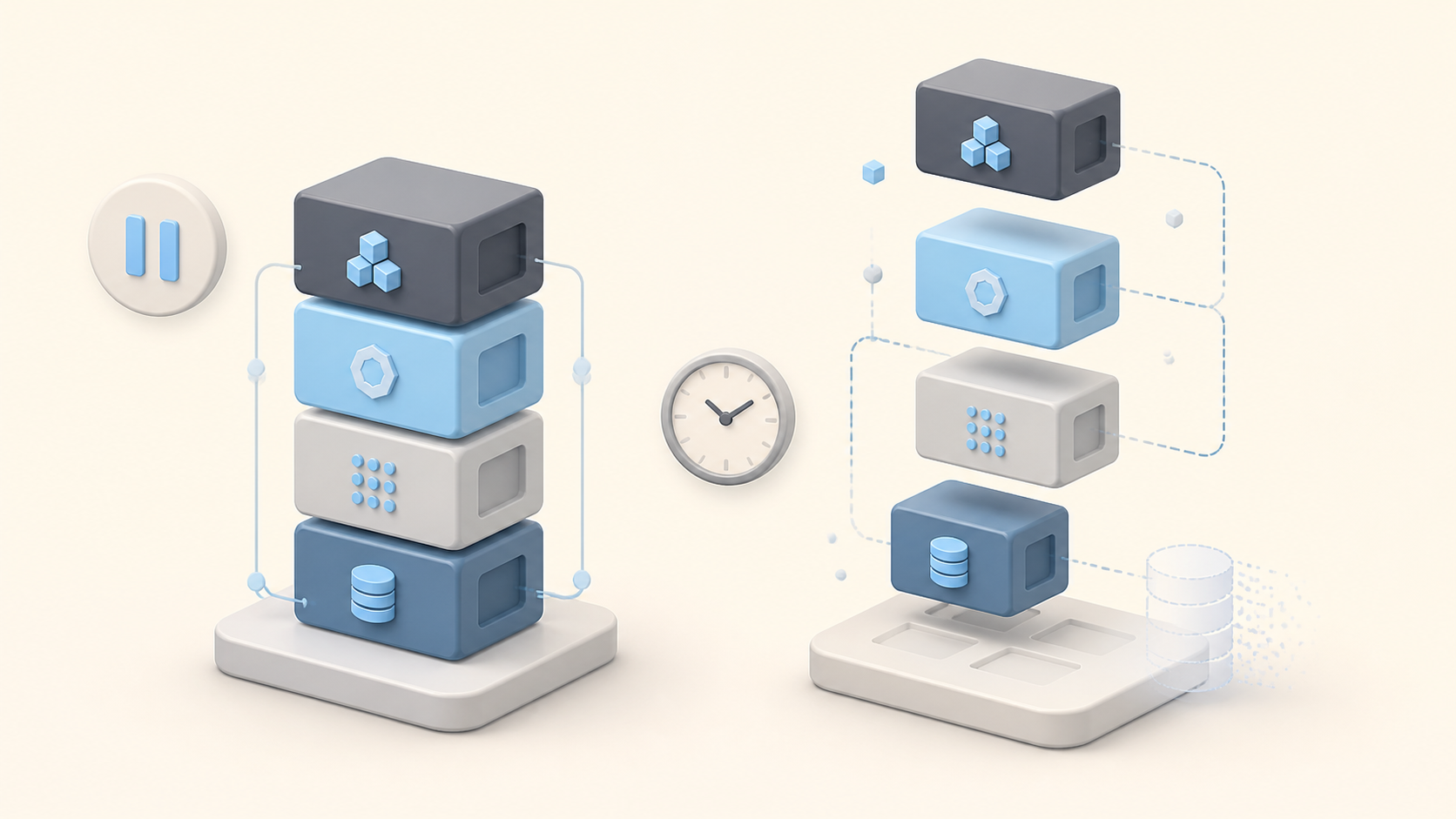
Blue-green deployment is a release strategy that reduces downtime and risk by running two identical production environments: one active (blue) and one idle (green). New versions of the application are deployed to the idle environment, tested, and then traffic is switched over.
This method allows for quick rollbacks if issues arise, enhancing reliability and user experience during deployments. By isolating the new version from the live environment until it is fully tested, teams can ensure that any potential disruptions to users are minimized. Additionally, this strategy can be particularly beneficial in environments where uptime is critical, such as e-commerce platforms or financial services, where even a few minutes of downtime can lead to significant revenue loss.
Moreover, blue-green deployments facilitate a smoother transition for users, as they can be gradually introduced to new features without experiencing the typical glitches associated with traditional deployment methods. This controlled rollout can also provide valuable insights into user behavior and preferences, allowing teams to make data-driven decisions regarding future updates.
How does continuous monitoring fit into the CI/CD pipeline?
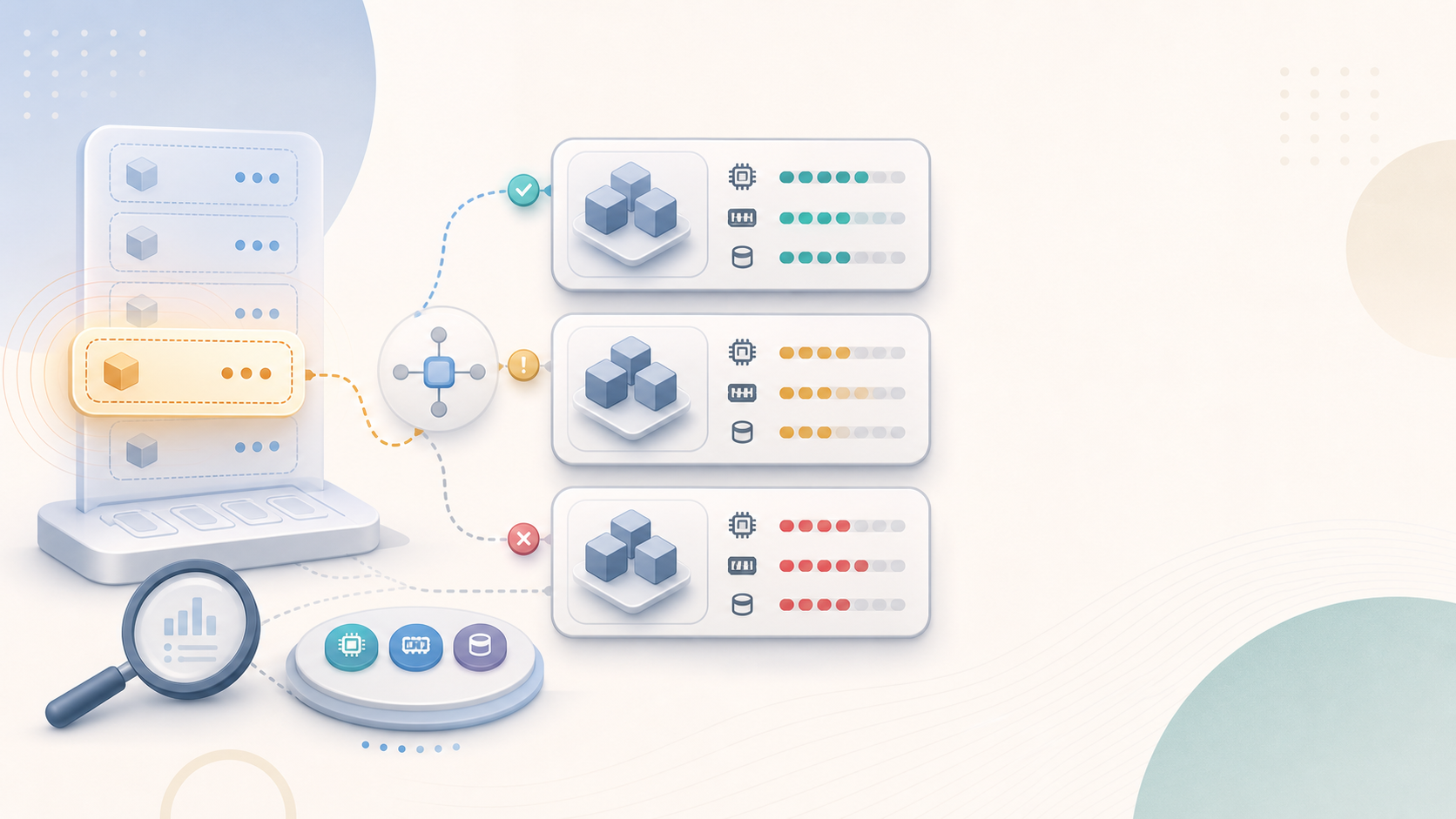
Continuous monitoring involves tracking application performance, errors, and security issues in real-time after deployment. It provides feedback to development and operations teams, enabling rapid response to incidents.
Integrating monitoring into CI/CD pipelines supports continuous improvement and faster recovery from failures—80% of organizations report experiencing faster recovery times thanks to DevOps practices. By employing tools that monitor application health, teams can detect anomalies and performance bottlenecks early, often before they impact end-users. This proactive approach not only helps in maintaining service quality but also aids in identifying trends that may indicate underlying issues needing attention.
Furthermore, continuous monitoring can extend beyond just application performance; it can also encompass infrastructure and user experience metrics. By gathering data from various sources, teams can create a comprehensive view of the system’s health, leading to more informed decisions and prioritization of development efforts. This holistic approach ensures that all aspects of the deployment are optimized, ultimately contributing to a more resilient and responsive application.
What is the significance of continuous learning in DevOps?
DevOps is not just about tools and automation; it’s also a cultural shift emphasizing continuous learning and improvement. Organizations that adopt DevOps practices often foster environments where teams regularly analyze failures and successes to enhance processes.
Research shows that 80% of organizations practicing DevOps engage in continuous learning, which is vital for adapting to new challenges and technologies in a fast-paced industry. This commitment to learning can manifest in various ways, such as regular retrospectives, knowledge-sharing sessions, and training programs that encourage team members to stay updated with the latest industry trends and best practices.
Additionally, continuous learning promotes innovation, as teams are encouraged to experiment with new ideas and technologies without the fear of failure. This mindset not only leads to improved processes and products but also enhances employee satisfaction and retention, as team members feel empowered to contribute to the organization’s growth. By creating a culture that values learning and adaptation, organizations can better navigate the complexities of modern software development and maintain a competitive edge in the marketplace.
Preparing for Your DevOps CI/CD Interview
How should candidates demonstrate their CI/CD expertise?
Interviewers look for candidates who understand both the theoretical concepts and practical applications of CI/CD. Demonstrating experience with popular tools like Jenkins and Docker, explaining pipeline design, and discussing security integration are key.
Sharing examples of how CI/CD improved productivity or reduced deployment times in previous roles can also make a strong impression.
What behavioral qualities are important for DevOps roles?
Beyond technical skills, DevOps roles require collaboration, adaptability, and a mindset geared toward continuous improvement. Review our list of essential DevOps skills to make sure nothing is missing from your preparation. Candidates should highlight their ability to work across teams, embrace feedback, and learn from failures.
Given that 80% of organizations practicing DevOps focus on continuous learning, showcasing a commitment to personal and team growth is essential.
Which emerging trends should candidates be aware of?
As DevOps evolves, candidates should stay informed about trends like DevSecOps, increased containerization, and the growing importance of automation in testing and deployment. Awareness of market growth—such as the DevOps market’s expected CAGR of over 20% through 2030—indicates the field’s dynamic nature.
Understanding these trends demonstrates a forward-thinking approach and readiness to contribute to future-ready DevOps teams.
Conclusion
Mastering CI/CD concepts and tools is indispensable for anyone aiming to excel in DevOps roles in 2026 and beyond. With the CI/CD market booming and adoption rates soaring—85% of leading tech companies use CI/CD pipelines for main product delivery—candidates equipped with both foundational knowledge and insights into emerging trends will stand out.
Preparing for interviews with a solid grasp of CI/CD principles, popular tools, security integration, and best practices will not only boost confidence but also increase the chances of securing coveted DevOps positions in a competitive landscape. For broader CI/CD fundamentals, see our general CI/CD interview questions guide.

Leave a Reply