


As organizations increasingly prioritize cybersecurity alongside rapid software delivery, the role of Security DevOps Engineers—often referred to as DevSecOps professionals—has become more critical than ever. This evolving intersection of development, operations, and security is reshaping how companies build and protect their digital infrastructure. Naturally, this shift influences compensation trends, making it essential for current and aspiring professionals to understand what to expect in 2026.
The Growing Importance of DevSecOps in Modern Software Development
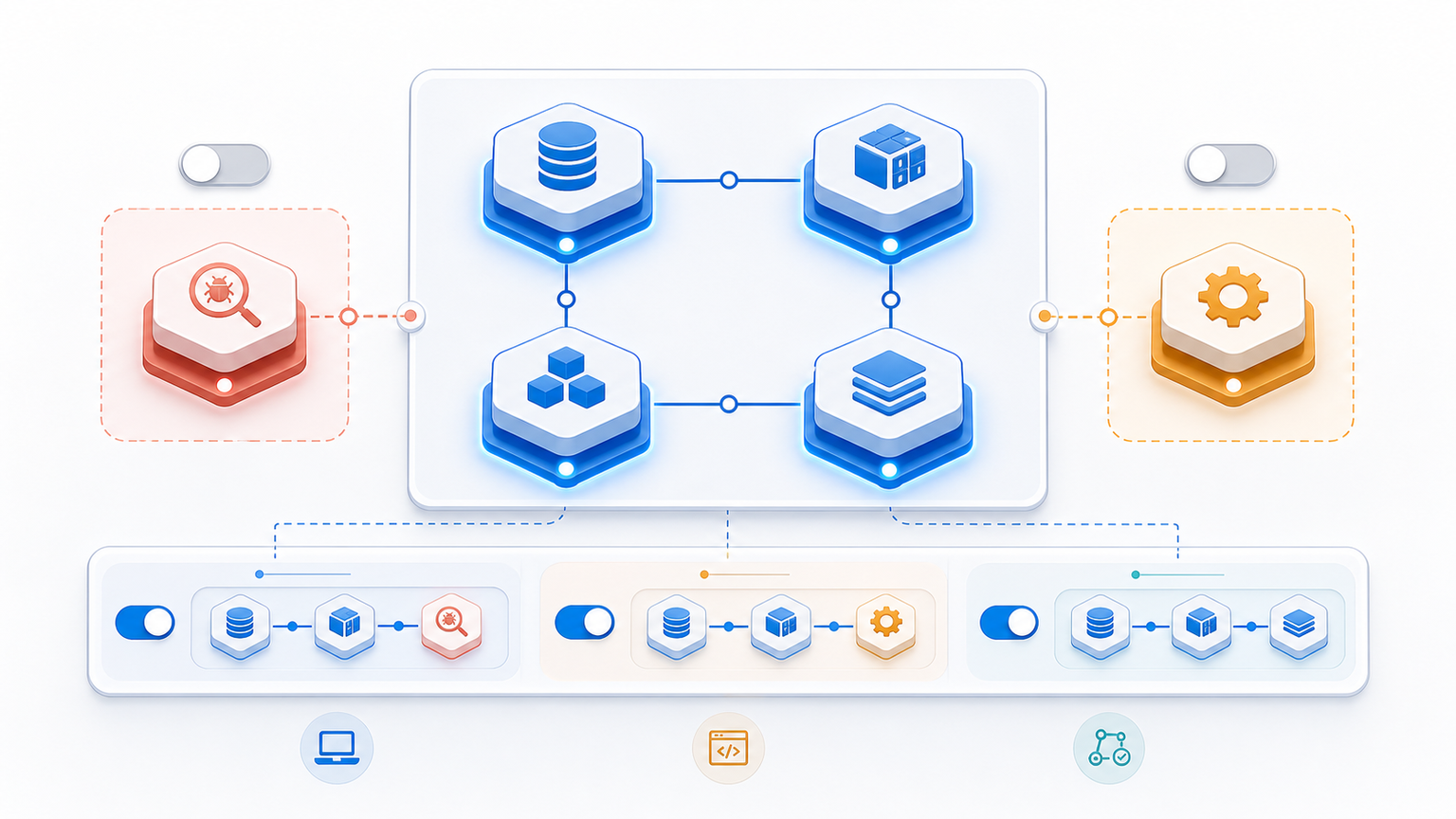
In recent years, the integration of security practices directly into the DevOps workflow has gained significant traction. This approach, known as DevSecOps, aims to embed security measures throughout the software development lifecycle rather than treating them as an afterthought.

According to expert insights, DevSecOps addresses security vulnerabilities while maintaining the agility and speed that DevOps promises. This balance is crucial as organizations face mounting pressure to deliver secure applications rapidly without compromising on quality or user experience.
With the rise of cloud adoption and AI integration, the DevOps market is booming in 2026. These technological advancements increase the complexity of software environments, making integrated security even more vital. Consequently, professionals skilled in DevSecOps are in high demand, which directly impacts salary expectations.
Moreover, the shift towards remote work has further accelerated the need for robust security measures within the DevSecOps framework. As teams collaborate from various locations, ensuring that security protocols are consistently applied across all stages of development becomes paramount. This environment necessitates the implementation of automated security testing tools that can seamlessly integrate into continuous integration/continuous deployment (CI/CD) pipelines, allowing teams to identify and remediate vulnerabilities in real-time.
Additionally, organizations are increasingly recognizing the importance of fostering a security-first culture among their development teams. Training and awareness programs are being developed to empower developers with the knowledge and tools they need to prioritize security in their coding practices. By instilling a mindset where security is a shared responsibility, companies can not only enhance their software security posture but also cultivate a more resilient and proactive workforce capable of adapting to emerging threats in the digital landscape.
Salary Landscape for Security DevOps Engineers in 2026
Median and Range of Compensation
The compensation for Security DevOps Engineers reflects their specialized expertise. The median total pay for security engineers in the United States stands at approximately $164,000, which includes base salary and additional compensation such as bonuses or stock options.

More specifically, professionals with DevSecOps expertise earn between $145,000 and $170,000. This range highlights the premium placed on skills that blend security with development and operations knowledge, especially when combined with proficiency in tools like Python, Terraform, and CI/CD pipelines. As the demand for secure software development continues to rise, these professionals are not only expected to understand coding and operational processes but also to anticipate and mitigate potential security threats throughout the development lifecycle.
In addition to technical skills, the role increasingly requires a strong understanding of compliance frameworks and regulations, such as GDPR and HIPAA, which further enhances the value of these engineers in the job market. Companies are recognizing that investing in skilled Security DevOps Engineers is essential for maintaining customer trust and safeguarding sensitive data, which can lead to significant financial repercussions if compromised.
Comparison with Related Roles
For context, the average salary for a DevOps engineer—without a specialized security focus—is around $133,133, with additional cash compensation averaging $16,860. This comparison underscores how integrating security responsibilities into DevOps roles tends to command higher pay, reflecting the increased complexity and critical nature of the work.
Security engineers, in general, benefit from a competitive salary landscape, but those who master the DevSecOps paradigm position themselves at the higher end of the spectrum. This trend is expected to continue as organizations invest more heavily in securing their software delivery pipelines. Furthermore, as cyber threats evolve, the demand for professionals who can seamlessly integrate security measures into agile development processes will likely escalate, leading to even more lucrative opportunities in the field.
Moreover, the rise of cloud computing and the increasing adoption of microservices architecture have created new challenges and responsibilities for Security DevOps Engineers. They must now not only secure traditional applications but also ensure that cloud-native applications are resilient against attacks. This shift necessitates a deep understanding of cloud security principles and tools, which can further enhance their marketability and earning potential. As organizations strive to maintain a competitive edge, the role of Security DevOps Engineers will become increasingly pivotal in shaping the future of secure software development.
Key Skills Driving Salary Growth in DevSecOps
Understanding which skills are most valued can help professionals optimize their career trajectory and salary potential. The industry report highlights several technical proficiencies that significantly influence compensation:
- Python: Widely used for automation and scripting within security workflows, Python remains a cornerstone skill.
- Terraform: As infrastructure as code (IaC) becomes standard practice, expertise in Terraform enables engineers to manage cloud resources securely and efficiently.
- CI/CD Pipelines: Mastery of continuous integration and continuous deployment tools ensures that security checks are seamlessly integrated into software releases.
Beyond technical skills, a deep understanding of security principles and the ability to collaborate across development and operations teams are essential. These competencies enable DevSecOps engineers to implement scalable and effective security solutions without hindering delivery speed.
Moreover, knowledge of containerization technologies such as Docker and orchestration tools like Kubernetes is becoming increasingly important. As organizations shift towards microservices architectures, the ability to secure these environments is critical. Professionals who can demonstrate proficiency in securing containerized applications and managing their lifecycle will find themselves in high demand, further enhancing their salary prospects.
Additionally, familiarity with compliance frameworks and regulations, such as GDPR, HIPAA, or PCI-DSS, can set candidates apart in the job market. Understanding how to navigate these legal landscapes and implement necessary security controls not only protects the organization but also showcases a candidate’s commitment to safeguarding sensitive information. This strategic insight into compliance can lead to roles with greater responsibility and, consequently, higher compensation.
Challenges and Future Directions in DevSecOps Security
While the integration of AI-driven security solutions within DevSecOps shows promise, recent studies reveal some notable challenges. Key issues include gaps in empirical validation of AI models, scalability concerns, and difficulties in integrating these solutions seamlessly into existing workflows.

Addressing these challenges is critical for the future optimization of AI-based security frameworks. As organizations continue to adopt AI to enhance threat detection and response, professionals who can navigate these complexities will be highly valued.
For Security DevOps Engineers, staying abreast of these developments and contributing to the evolution of AI-driven security practices can further enhance career prospects and salary potential.
Moreover, the rapid pace of technological advancement means that security professionals must also contend with the ever-evolving landscape of cyber threats. As malicious actors become more sophisticated, the tools and techniques employed in AI-driven security must also evolve. This necessitates ongoing training and education for engineers to ensure they are equipped with the latest knowledge and skills. Additionally, fostering a culture of collaboration between development, security, and operations teams is essential. By breaking down silos and encouraging open communication, organizations can create a more resilient security posture that adapts to new challenges.
Furthermore, the ethical implications of AI in security cannot be overlooked. As AI systems become more autonomous, questions arise regarding bias in algorithms and the potential for misuse. It is crucial for organizations to implement frameworks that prioritize ethical considerations alongside technical advancements. This includes establishing guidelines for transparency, accountability, and fairness in AI applications, ensuring that security measures do not inadvertently compromise user rights or privacy. As the field of DevSecOps continues to mature, addressing these ethical challenges will be paramount in building trust and credibility in AI-driven security solutions.
Market Trends Influencing Security DevOps Engineer Salaries
Cloud Adoption and AI Integration
The accelerating adoption of cloud technologies is a primary driver of demand for DevSecOps expertise. Cloud environments introduce unique security challenges, such as dynamic infrastructure and shared responsibility models, which require specialized knowledge to manage effectively.
Simultaneously, AI integration into DevOps workflows is transforming how organizations detect vulnerabilities and automate remediation. These trends not only increase the complexity of the role but also elevate the strategic importance of Security DevOps Engineers.
Demand for Faster Software Deployment
In the competitive landscape of software development, speed is paramount. Organizations strive to deploy updates and new features rapidly to meet customer expectations and market demands. However, this speed must not come at the expense of security.
DevSecOps practices enable teams to embed security checks early and continuously, ensuring that rapid deployment cycles do not introduce vulnerabilities. This capability makes Security DevOps Engineers indispensable, further driving up their market value and compensation.
What This Means for Aspiring and Current Security DevOps Engineers
For those considering a career in Security DevOps or looking to advance within the field, the outlook is promising. The combination of strong technical skills, security expertise, and an understanding of modern development practices positions professionals for competitive salaries and career growth.
Investing in learning key tools like Python, Terraform, and CI/CD platforms, alongside developing a strategic mindset for integrating security into agile workflows, will be crucial. Moreover, staying informed about emerging AI-driven security technologies and their practical applications can provide a significant edge.
Employers are actively seeking candidates who can bridge the gap between development speed and robust security, making this an opportune time to specialize in DevSecOps.
Conclusion
The role of Security DevOps Engineers is becoming increasingly vital as organizations navigate the complexities of modern software development and cybersecurity threats. With a median salary around $164,000 and a strong demand fueled by cloud adoption, AI integration, and the need for rapid yet secure deployments, the financial and professional prospects for DevSecOps professionals in 2026 are robust.
By honing relevant technical skills and embracing the evolving landscape of AI-enhanced security, Security DevOps Engineers can expect not only competitive compensation but also the opportunity to play a pivotal role in shaping the future of secure software delivery.



Leave a Reply