


The DevOps landscape is evolving rapidly, fueled by the surge in cloud computing and the increasing demand for streamlined software delivery. Among the various specializations within DevOps, AWS DevOps Engineers stand out as some of the most sought-after professionals. As organizations continue to migrate to Amazon Web Services (AWS) and embrace automation, understanding the salary trends and job market outlook for AWS DevOps Engineers in 2026 is essential for both current professionals and aspiring candidates.
The Current Salary Landscape for AWS DevOps Engineers
In the first half of 2026, the median salary for DevOps positions globally is reported at $185,000, with an average salary slightly higher at $190,810. This reflects the premium placed on skilled professionals who can bridge the gap between software development and IT operations effectively.

Specifically for AWS DevOps Engineers in the United States, the average salary is approximately $139,619 per year. The total pay range spans from $115,000 to $171,000 depending on factors such as experience, location, and company size. This range highlights the lucrative nature of AWS DevOps roles, especially when compared to other IT positions.
Factors Influencing Salary Variations
Several elements contribute to the salary differences within AWS DevOps roles. Experience level is a primary driver; senior engineers with extensive cloud architecture and automation skills command salaries at the higher end of the spectrum. Additionally, geographic location plays a significant role—tech hubs like San Francisco, Seattle, and New York tend to offer higher compensation to offset living costs.
Company size and industry also matter. Larger enterprises and tech-focused companies often provide more competitive packages, including bonuses and stock options. Moreover, certifications such as AWS Certified DevOps Engineer or AWS Certified Solutions Architect can further boost earning potential by validating expertise.
Another factor influencing salary is the demand for specific skill sets within the AWS ecosystem. Proficiency in tools like Docker, Kubernetes, and Terraform can make candidates more attractive to employers, often leading to higher salary offers. Furthermore, as organizations increasingly adopt DevOps practices, the need for professionals who can implement continuous integration and continuous deployment (CI/CD) pipelines is growing. This trend is pushing salaries upward as companies compete to secure top talent in a rapidly evolving technological landscape.
Additionally, the rise of remote work has introduced a new dynamic to salary negotiations. Many companies are now willing to hire AWS DevOps Engineers from regions with lower living costs, which can lead to a more competitive salary landscape. While some organizations may offer salaries based on the employee’s location, others are adopting a more standardized pay scale, allowing engineers from various backgrounds to benefit from the high demand for their skills. This shift not only enhances job opportunities but also encourages a more diverse workforce within the tech industry.
Why AWS DevOps Engineer Roles Are in High Demand
The demand for AWS DevOps Engineers is expected to grow at an impressive rate of 22% annually. This growth outpaces many traditional IT roles, underscoring the critical role these professionals play in modern software development environments.
Cloud adoption remains a major catalyst. Organizations are increasingly shifting their infrastructure to AWS to leverage its scalability, security, and extensive service offerings. This migration necessitates skilled engineers who can automate deployment pipelines, manage cloud resources efficiently, and ensure continuous integration and delivery.
The Impact of Cloud and AI Integration
Beyond cloud migration, the integration of artificial intelligence (AI) into DevOps practices is driving demand for engineers who understand both cloud platforms and AI workflows. AWS DevOps Engineers are uniquely positioned to implement AI-powered monitoring, predictive analytics, and automated remediation, which accelerate software delivery and improve reliability.
This intersection of cloud and AI technologies is creating new opportunities and pushing salaries upward as companies compete for top talent capable of navigating these complex environments. Furthermore, as organizations adopt DevOps methodologies, they are also embracing a culture of collaboration and continuous improvement, which requires engineers to not only possess technical skills but also strong interpersonal abilities. The ability to communicate effectively across teams and understand the needs of both developers and operations staff is becoming increasingly valuable in the AWS ecosystem.
Additionally, the rise of microservices architecture and containerization technologies, such as Docker and Kubernetes, is reshaping how applications are developed and deployed. AWS DevOps Engineers are tasked with orchestrating these technologies within the cloud, ensuring that applications are resilient, scalable, and easily manageable. This shift towards a more modular approach to software development necessitates a deep understanding of both the underlying infrastructure and the application lifecycle, further solidifying the importance of these roles in the tech landscape.
Remote Work and Its Influence on AWS DevOps Salaries
One of the most significant shifts in the DevOps job market in 2026 is the prevalence of remote work. Approximately 77.1% of DevOps positions offer remote work options, with 44.8% being fully remote roles. This flexibility is particularly attractive to AWS DevOps Engineers, allowing them to work for companies across different regions without relocating.

Remote work has broadened the talent pool for employers and increased competition among candidates. While some companies may adjust salaries based on location, many recognize the value of retaining skilled AWS DevOps Engineers regardless of geography and offer competitive compensation packages accordingly.
Benefits of Remote Work for AWS DevOps Professionals
Remote work not only enhances work-life balance but also opens doors to global opportunities. AWS DevOps Engineers can collaborate with diverse teams, gain exposure to varied projects, and continuously update their skills in a dynamic environment. These factors contribute to career growth and, by extension, salary advancement.
Moreover, the ability to work remotely allows AWS DevOps professionals to tailor their work environments to maximize productivity. Many engineers find that they can create personalized setups that cater to their specific needs, whether that means a quiet home office or a co-working space filled with like-minded individuals. This autonomy can lead to increased job satisfaction and motivation, which are crucial elements in driving performance and innovation in the fast-paced world of cloud computing.
Additionally, remote work fosters a culture of trust and accountability, as teams often rely on asynchronous communication and collaborative tools to stay connected. This shift not only enhances the efficiency of project management but also encourages AWS DevOps Engineers to take ownership of their tasks, leading to a more engaged workforce. As companies continue to embrace this model, the demand for skilled professionals who can navigate both technical challenges and remote collaboration will likely drive salaries even higher, reflecting the evolving landscape of work in the tech industry.
The Future Outlook: Market Growth and Career Prospects
The DevOps market is booming in 2026, driven by growing cloud adoption, AI integration, and the demand for faster, more reliable software deployment. Industry studies predict that the DevOps market will reach $20 billion in revenue by 2026, expanding at a compound annual growth rate (CAGR) of 24.7% from 2019 to 2026.
This rapid expansion signals robust career prospects for AWS DevOps Engineers. As organizations invest more in cloud infrastructure and automation, the need for professionals who can design, implement, and maintain these systems will only increase. Companies are increasingly recognizing the importance of DevOps in enhancing operational efficiency and accelerating time-to-market for their products. This trend is particularly evident in sectors such as finance, healthcare, and e-commerce, where the demand for secure, scalable, and resilient applications is paramount.
Key Skills to Stay Competitive
To capitalize on these opportunities, AWS DevOps Engineers should focus on continuous learning. Mastery of AWS services such as Lambda, ECS, CloudFormation, and CodePipeline is essential. Additionally, proficiency in containerization tools like Docker and Kubernetes, infrastructure as code (IaC), and scripting languages enhances employability. The ability to leverage CI/CD pipelines effectively can significantly streamline development processes, making it a critical skill in today’s fast-paced tech environment. Furthermore, familiarity with monitoring and logging tools, such as Prometheus and ELK Stack, can provide valuable insights into system performance and reliability.
Soft skills such as collaboration, problem-solving, and adaptability are equally important. DevOps is inherently cross-functional, requiring engineers to work closely with development, QA, and operations teams to deliver seamless solutions. Effective communication is vital, as it helps bridge the gap between different departments and fosters a culture of shared responsibility. Moreover, as organizations increasingly adopt Agile methodologies, the ability to work in iterative cycles and embrace feedback will further enhance an engineer’s value in the workplace. Networking within the DevOps community through meetups and online forums can also provide insights into emerging trends and best practices, keeping professionals at the forefront of the industry.
Conclusion: What AWS DevOps Engineers Can Expect in 2026
The outlook for AWS DevOps Engineers in 2026 is overwhelmingly positive. Salaries remain competitive, with the average in the U.S. hovering around $140,000 and global averages even higher. The rapid growth of cloud adoption and AI integration ensures sustained demand, while remote work options provide flexibility and broaden opportunities.
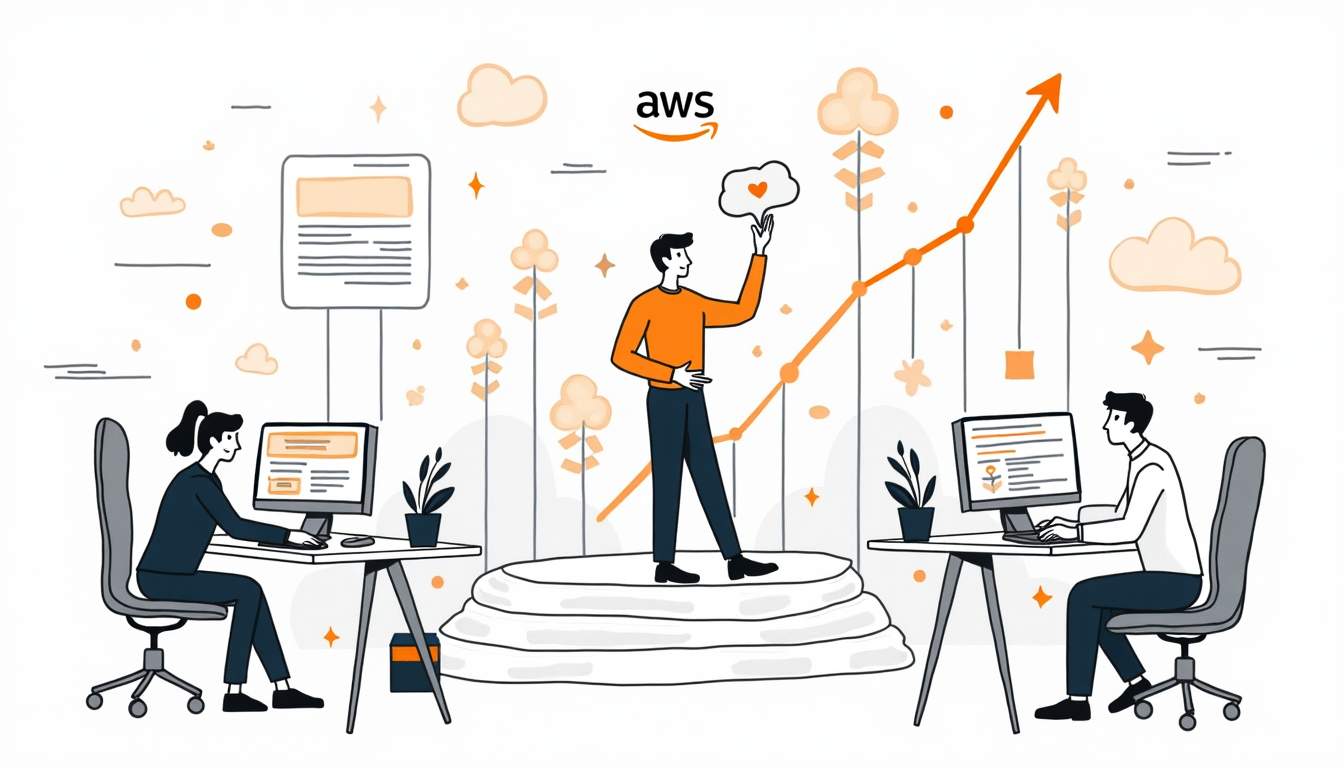
For professionals considering a career in AWS DevOps or those looking to advance, investing in relevant certifications and upskilling in emerging technologies will be key to maximizing earning potential and job security. If you are preparing for cloud-focused interviews, our collection of AWS DevOps interview questions is a great place to start. As the DevOps market continues to evolve, AWS DevOps Engineers will remain at the forefront of innovation, driving efficiency and agility in software delivery worldwide.





Leave a Reply