

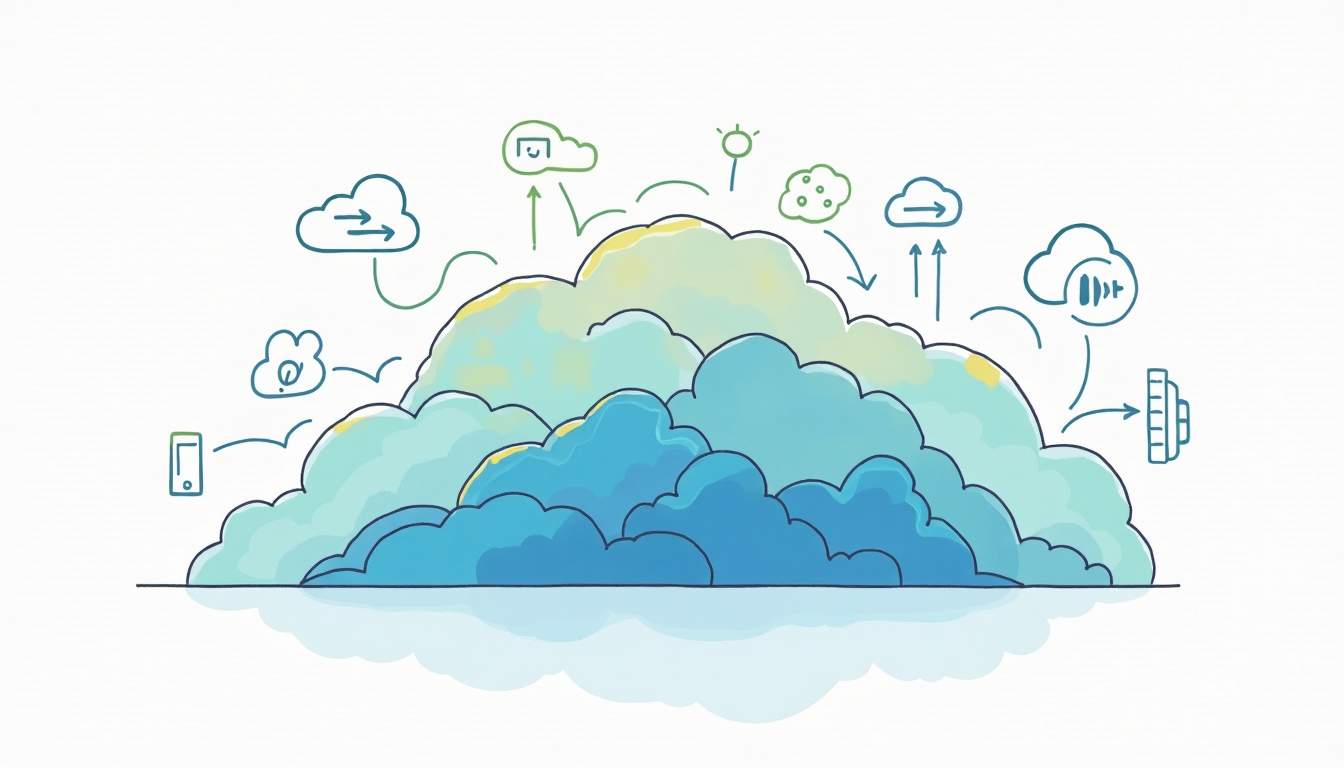
Cloud federation is not a fancy label for “we use more than one cloud.” It is the set of trust, policy, network, data, and service boundaries that let separate environments cooperate without turning into one unmanaged blob.
For the broader route map, see our GCP services for DevOps engineers guide.
Quick takeaway: Treat cloud federation as layers. Start with identity, then governance, then network paths, then data and workload portability, then shared service operations. If you skip the layers, “federation” becomes another name for cloud sprawl.
This article is intentionally narrower than our guide to inter-cloud resource management. That page explains how to operate resources across clouds. This one explains the federation layers that make cooperation possible in the first place. For broader career context, see the cloud engineering guide.
What Cloud Federation Means
Cloud federation means one cloud environment can trust, route to, govern, or consume services from another environment under defined rules. The NIST Cloud Computing Reference Architecture is useful here because it separates actors, roles, service models, and responsibilities instead of treating “the cloud” as one flat platform.
In practice, federation usually shows up as a specific integration problem: users need single sign-on across accounts, workloads need temporary access to another provider, networks need private routing, or operations teams need shared monitoring and policy. Each problem lives at a different level.
Cloud Federation vs Inter-Cloud Management
The overlap risk with existing RepoNotes content is real, so the distinction matters. Use this split when deciding whether you need a federation design or an operating model.
| Question | Cloud federation answer | Inter-cloud management answer |
|---|---|---|
| What connects? | Trust, access, routes, data flows, or service boundaries. | Ownership, inventory, cost, policy, monitoring, and review loops. |
| Primary goal | Let separate environments cooperate safely. | Keep many environments understandable and controlled. |
| Typical owner | Platform, identity, network, security, or architecture teams. | Platform operations, FinOps, SRE, and governance teams. |
| RepoNotes companion | This #379 article. | inter-cloud resource management. |
The Five Practical Levels of Cloud Federation
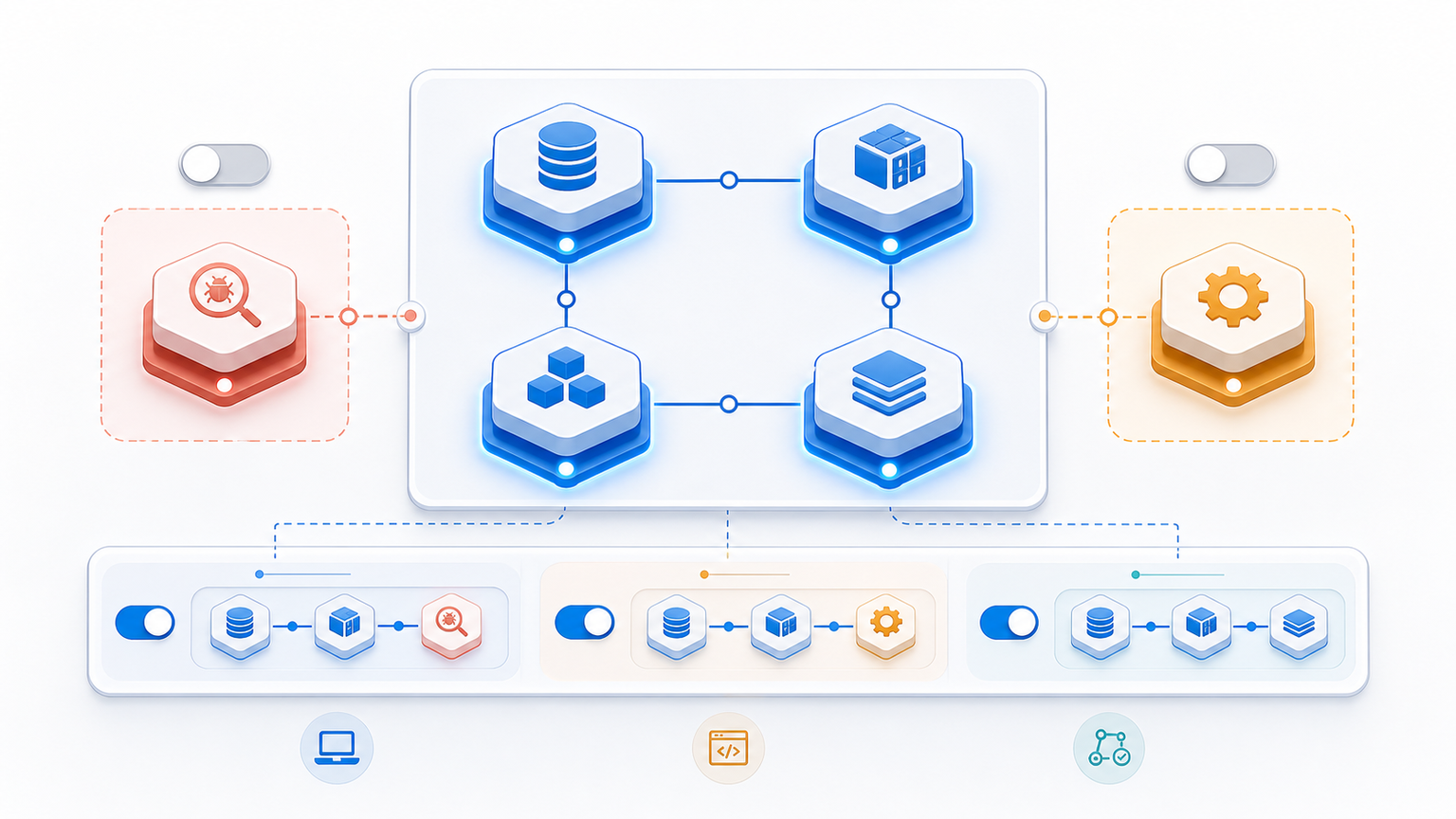
You can think about federation as five levels. Teams do not need all of them on day one. The order below is a safe maturity path because each layer adds more coupling and more failure modes.
| Level | What is federated | Example decision | Common failure mode |
|---|---|---|---|
| 1. Identity and access | Users, groups, roles, workload identities, temporary credentials. | Can one identity source grant scoped access across accounts or providers? | Long-lived keys, duplicate users, unclear privilege boundaries. |
| 2. Governance and account boundaries | Policies, projects, subscriptions, accounts, delegated administration. | Who can create resources, assign policy, and audit changes? | Central team becomes a bottleneck or nobody owns exceptions. |
| 3. Network connectivity | VPCs, VNets, private routes, gateways, DNS, service endpoints. | Which services need private reachability and from where? | Flat networks, route conflicts, hidden blast radius. |
| 4. Data and workload portability | Data access patterns, replication, backups, container platforms, runtime assumptions. | Can the workload move, fail over, or only exchange data? | Assuming portability when state, identity, or latency blocks it. |
| 5. Service and operations federation | Monitoring, incident response, service catalogs, platform APIs, shared runbooks. | How do teams operate services that cross boundaries? | One dashboard exists, but accountability is still unclear. |
Level 1: Identity and Access Federation
Identity is usually the first federation layer because it controls who or what can cross a boundary. In AWS, AWS IAM Identity Center centralizes workforce access across AWS accounts and applications. In Google Cloud, Google Cloud Workload Identity Federation lets workloads use external identities without storing service account keys.
The design question is simple: can a user or workload receive short-lived, scoped access from a trusted identity source? If yes, you reduce duplicated users and static credentials. If no, read the AWS IAM roles guide before spreading IAM patterns across accounts.
Level 2: Governance and Account Boundary Federation
Governance federation defines who can administer which environment and under which guardrails. Azure Lighthouse is a good example of delegated cross-tenant management: one provider or central team can manage customer or subsidiary resources with explicit delegation instead of shared credentials.
This level is less about technical connectivity and more about blast radius. Strong governance federation answers three questions: who owns the boundary, who can approve exceptions, and how audit evidence is collected.
Level 3: Network Federation
Network federation connects private environments without making every service public. Inside AWS, AWS Transit Gateway is one pattern for connecting VPCs and on-premises networks through a hub. Across providers, the same idea expands into VPNs, private interconnects, peering, DNS design, and route ownership.
Do not start here just because network diagrams look concrete. If identity and ownership are unclear, private routing only makes problems travel faster. For hybrid connectivity details, use the AWS Site-to-Site VPN guide as a companion.
Level 4: Data and Workload Federation
Data and workload federation is where architecture decisions become expensive. A stateless service can move or run in multiple locations more easily than a stateful database with strict consistency, latency, and residency requirements.
This layer should be tied to a specific workload goal: disaster recovery, data sharing, regional latency, vendor risk, or platform migration. If the goal is “cloud portability” in general, start with the Google Cloud Architecture Framework and define the workload constraints first.
Level 5: Service and Operations Federation
The final level is operational. Teams need shared observability, alert routing, incident ownership, backup checks, service catalog entries, and runbooks that explain what happens when a federated dependency fails.
This is where federation either becomes useful or becomes theater. A single dashboard is not enough. The operating model must say who acknowledges an incident, who can roll back, who owns cost anomalies, and who communicates impact to product teams.
Service Models Are Not Federation Levels
IaaS, PaaS, and SaaS describe what kind of cloud service a provider offers. Federation levels describe how environments cooperate. Mixing those ideas creates weak architecture reviews.
| Service model | What it describes | Federation question |
|---|---|---|
| IaaS | Compute, storage, network, and infrastructure primitives. | How do identity, routes, and policy cross infrastructure boundaries? |
| PaaS | Managed runtime or application platform. | Can platform policies, deployment identities, and observability work across environments? |
| SaaS | Provider-run application consumed by users or systems. | How are users, audit logs, data export, and access lifecycle federated? |
A Simple Federation Design Checklist
Before adopting a federated design, walk through a short checklist. It keeps the discussion grounded and prevents the broad “multi-cloud strategy” conversation from swallowing the article’s actual point.
- Name the boundary: account, tenant, project, VPC, region, cluster, SaaS app, or data store.
- Name the trust source: identity provider, workload identity, delegated admin, private network, or shared policy layer.
- Define the allowed action: read data, assume a role, route traffic, deploy workloads, monitor services, or manage resources.
- Set the failure rule: what breaks, who owns it, and how to disable the integration safely.
- Link the design to operations: monitoring, audit evidence, incident routing, cost review, and owner review cadence.
Common Mistakes
The most common cloud federation mistakes are not exotic. They are usually ownership and scope problems disguised as architecture choices.
- Federating access before defining least privilege and account ownership.
- Building private network connectivity before deciding which services actually need it.
- Assuming containers make stateful workloads portable by default.
- Using one central platform team as the approval path for every exception.
- Reporting “multi-cloud visibility” without a runbook for incidents and rollback.
Bottom Line
Cloud federation is useful when it is specific. A strong design says which layer is being federated, why that layer needs to cross a boundary, and how the team will operate the failure modes. If the answer is still “we need multi-cloud,” pause and define the boundary first.
FAQ
What is cloud federation in practical terms?
Cloud federation is a way to make separate cloud environments work together through shared identity, governance, networking, data access, or service operations. It does not mean every workload can move anywhere automatically. The useful question is which boundary you need to connect and which team owns that boundary.
How is cloud federation different from multi-cloud management?
Multi-cloud management is the operating model for visibility, cost, ownership, policy, and day-to-day control across providers. Cloud federation is narrower: it describes the trust and integration layers that let separate environments cooperate. A team may need both, but they solve different problems.
What is the first level of federation most teams should implement?
Identity federation usually comes first because access control is the safest shared layer to standardize. It lets teams use a central identity provider, temporary credentials, and scoped trust instead of copying long-lived users or secrets across clouds.
When does network federation make sense?
Network federation makes sense when services in different accounts, regions, clouds, or private environments need predictable private connectivity. It should come after clear ownership and routing rules, otherwise it can create hidden blast radius and troubleshooting pain.
Should every cloud service be federated?
No. Federate only the layers that reduce risk or operational friction. Some services are better kept isolated, especially when compliance, latency, data residency, or incident ownership would become harder after integration.

Leave a Reply