


The rapid evolution of cloud computing has transformed how organizations design, deploy, and manage their IT infrastructure. Among the leading cloud service providers, Google Cloud Platform (GCP) stands out with its robust architecture framework that supports scalable, secure, and efficient cloud solutions. This comprehensive guide explores the Google Cloud Architecture Framework, its core principles, and how it empowers businesses to optimize cloud adoption and innovation.
Understanding the Google Cloud Architecture Framework
The Google Cloud Architecture Framework is a set of best practices, design principles, and guidelines that help architects and developers build reliable, secure, and cost-effective cloud solutions on GCP. It serves as a blueprint to align cloud strategies with business goals, enabling organizations to leverage Google Cloud’s extensive capabilities effectively.
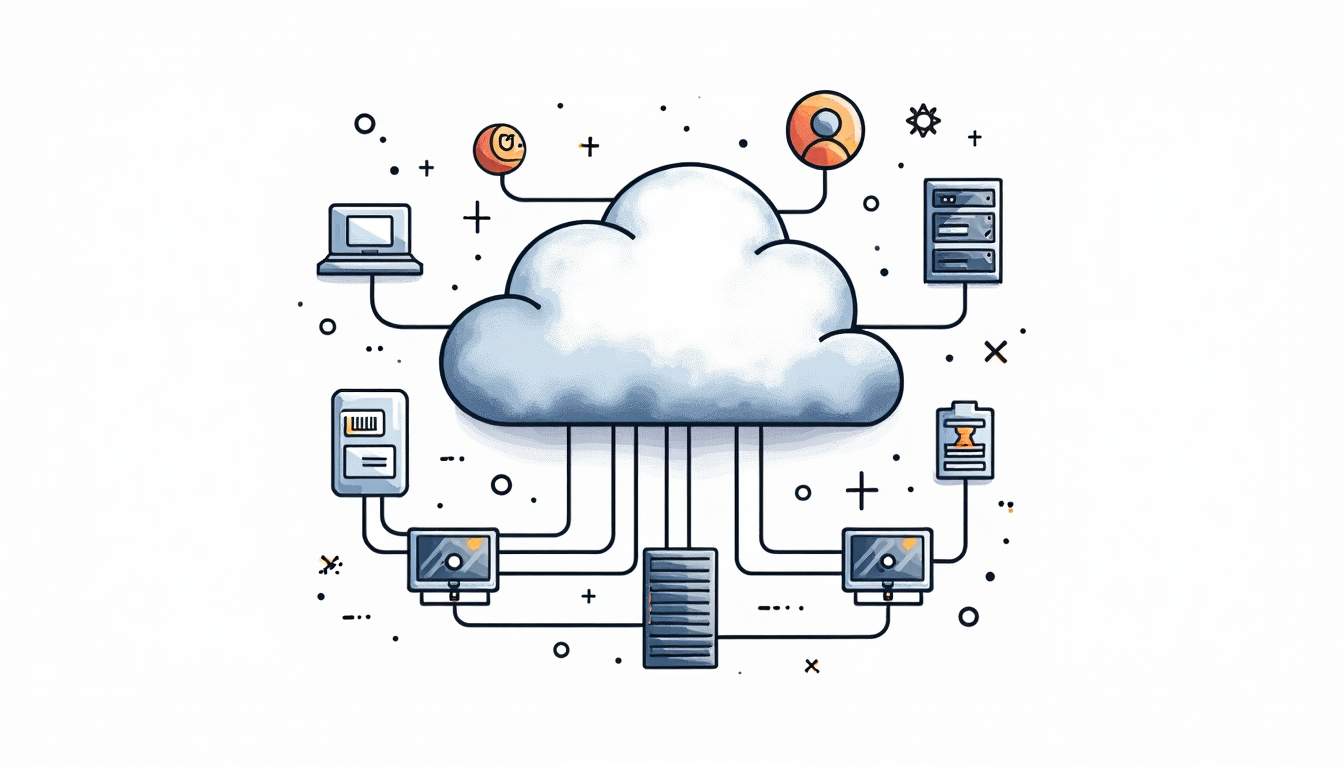
At its core, the framework emphasizes five key pillars: operational excellence, security, reliability, performance efficiency, and cost optimization. These pillars ensure that cloud architectures not only meet technical requirements but also deliver tangible business value.
Operational Excellence: Streamlining Cloud Operations
Operational excellence focuses on managing and automating cloud operations to reduce errors and improve efficiency. Google Cloud provides tools like Cloud Monitoring and Cloud Logging, which enable continuous visibility into system health and performance. This proactive monitoring helps teams detect anomalies early and respond swiftly.
Additionally, the framework encourages adopting Infrastructure as Code (IaC) practices using tools such as Terraform or Google Cloud Deployment Manager. Automating infrastructure deployment reduces manual errors and accelerates delivery cycles, which is particularly beneficial for organizations scaling their cloud environments. By implementing CI/CD pipelines, teams can ensure that code changes are automatically tested and deployed, further enhancing operational efficiency and reducing time-to-market for new features.
Security: Building Trust in the Cloud
Security is a foundational pillar within the Google Cloud Architecture Framework. GCP integrates robust security features, including identity and access management (IAM), data encryption at rest and in transit, and comprehensive threat detection services. These tools help safeguard sensitive data and maintain regulatory compliance.
The framework advocates for a “defense-in-depth” approach, layering multiple security controls to mitigate risks. For example, combining network security policies with strong authentication mechanisms and continuous security assessments ensures a resilient cloud posture. Furthermore, organizations are encouraged to conduct regular security audits and penetration testing to identify vulnerabilities proactively, ensuring that their cloud environments remain secure against evolving threats.
Reliability: Ensuring High Availability and Resilience
Reliability in cloud architecture means designing systems that remain available and recover quickly from failures. Google Cloud offers managed services with built-in redundancy, such as Cloud Spanner for globally distributed databases and multi-region storage options.
The framework recommends implementing fault-tolerant designs and automated failover processes to minimize downtime. Load balancing and auto-scaling capabilities also help maintain performance during traffic spikes, ensuring seamless user experiences. Additionally, organizations should develop and regularly test disaster recovery plans, ensuring that they can quickly restore services and data in case of unexpected incidents, thereby reinforcing their commitment to high availability.
Performance Efficiency: Optimizing Resources for Speed and Scalability
Performance efficiency addresses the optimal use of computing resources to meet system requirements cost-effectively. Google Cloud’s flexible infrastructure allows architects to select the right compute, storage, and networking resources tailored to workload demands.
Moreover, the framework encourages continuous performance tuning and leveraging managed services that automatically scale. For example, using BigQuery for analytics workloads can significantly reduce query times while simplifying data management. Additionally, organizations are encouraged to monitor performance metrics regularly and adjust their resource allocations based on real-time data, ensuring that they can respond to changing demands without over-provisioning resources.
Cost Optimization: Delivering Value Without Compromise
Cost optimization is often misunderstood as cutting expenses at the expense of quality. However, as cloud expert Amey Laddad notes, “Cost optimization is not about sacrificing quality; it’s about finding smarter, more efficient ways to deliver value!”
The Google Cloud Architecture Framework promotes cost transparency and proactive management. Tools like Google Cloud’s Cost Management suite provide detailed insights into spending patterns, enabling teams to identify underutilized resources and optimize usage.
Organizations can also benefit from committed use contracts and sustained use discounts to reduce costs further. This strategic approach ensures cloud investments align with business priorities while maximizing return on investment. Additionally, implementing budgeting and forecasting tools can help organizations plan their cloud expenditures more effectively, allowing them to allocate resources in alignment with their growth strategies and financial goals.
Key Components and Services in Google Cloud Architecture
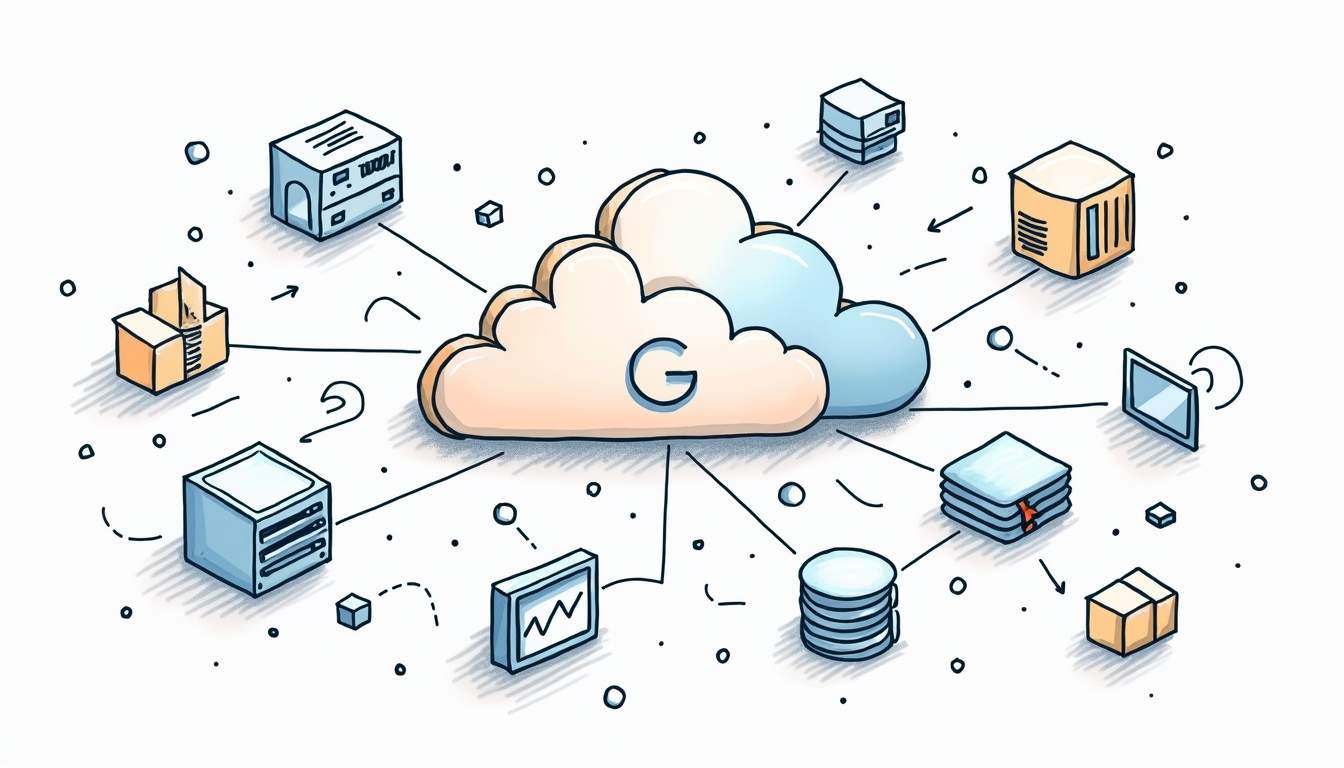
To implement the framework effectively, understanding the core GCP components and services is essential. These building blocks support the design and deployment of scalable, secure, and efficient cloud architectures.
Compute Services
Google Cloud offers a variety of compute options, including Compute Engine for virtual machines, Google Kubernetes Engine (GKE) for container orchestration, and App Engine for serverless applications. These services provide flexibility to run diverse workloads, from legacy applications to modern microservices. Additionally, GCP’s ability to auto-scale resources based on demand ensures that applications remain responsive and cost-effective, allowing businesses to optimize their cloud expenditure while maintaining high performance.
Storage and Databases
Storage solutions range from Cloud Storage for object storage to Cloud SQL and Cloud Spanner for relational databases. For analytics and big data, BigQuery offers a fully managed, serverless data warehouse with high-speed querying capabilities. Moreover, GCP provides specialized storage options such as Firestore for NoSQL databases, which is particularly useful for mobile and web applications that require real-time synchronization and offline capabilities. This diversity in storage solutions allows organizations to choose the right database technology that aligns with their specific use cases and performance requirements.
Networking
Google Cloud’s networking services include Virtual Private Cloud (VPC), Cloud Load Balancing, and Cloud CDN, which ensure secure and optimized connectivity. The framework emphasizes designing networks with segmentation, security policies, and redundancy to enhance reliability and performance. Furthermore, GCP’s global fiber network provides low-latency connections and high availability, enabling businesses to deliver content and applications to users worldwide with minimal delay. This robust networking infrastructure is crucial for enterprises looking to expand their reach and improve user experience across different geographical regions.
Security and Identity Management
IAM is central to controlling access and permissions across GCP resources. Complementary services like Cloud Identity, Security Command Center, and Cloud Armor provide comprehensive security management and threat protection. Additionally, GCP employs advanced security features such as encryption at rest and in transit, ensuring that sensitive data remains protected against unauthorized access. The integration of machine learning algorithms into security services also enhances threat detection capabilities, allowing organizations to proactively respond to potential vulnerabilities and maintain compliance with industry standards.
Data Analytics and AI
GCP’s analytics and AI services empower organizations to extract insights and build intelligent applications. Tools such as Dataflow, Dataproc, and AI Platform integrate seamlessly with the architecture to support data processing and machine learning workflows. With the rise of big data, GCP also offers services like Pub/Sub for real-time messaging and Data Studio for data visualization, enabling teams to collaborate effectively and make data-driven decisions. The ability to leverage pre-trained machine learning models through AutoML further simplifies the process of developing AI solutions, allowing organizations to harness the power of artificial intelligence without requiring extensive expertise in the field.
Emerging Trends Enhancing Google Cloud Architecture
As cloud technology advances, new trends are shaping how architects design and optimize cloud solutions on Google Cloud.
Edge-Cloud Continuum for Low Latency Applications
A 2026 survey on the edge-cloud continuum highlights the growing integration of decentralized edge resources with centralized cloud infrastructures. This approach addresses the increasing demand for low-latency, scalable, end-to-end service delivery, especially for applications like IoT, gaming, and real-time analytics.
Google Cloud’s architecture supports this hybrid model by enabling seamless connectivity between edge devices and cloud services, ensuring data is processed closer to the source while leveraging cloud scalability.
Interactive Design Support for Cloud Architects
Recent research involving novice engineers demonstrated that system-driven interactive design support tools significantly enhance the cloud architecture design process. Such tools guide architects through best practices and automate complex decisions, reducing errors and accelerating development.
Google Cloud’s architecture framework increasingly incorporates these intelligent design aids, making cloud adoption more accessible and effective for organizations at all maturity levels.
Incorporating Generative AI and Low-Code Machine Learning
In May 2026, a comprehensive big data framework proposed integrating emerging technologies like Generative AI and low-code machine learning platforms. These innovations enable faster data analysis and predictive modeling without requiring extensive coding expertise.
Google Cloud’s AI and machine learning services align well with this trend, empowering enterprises to embed advanced analytics into their cloud architectures and drive smarter business decisions.
Business Impact and ROI of Google Cloud Architecture
Adopting the Google Cloud Architecture Framework can deliver substantial business benefits beyond technical improvements.
Driving Efficiency and Innovation
By following the framework’s principles, organizations can streamline operations, enhance security, and improve system reliability. This foundation enables IT teams to focus on innovation rather than firefighting, accelerating time-to-market for new products and services.
Proven Return on Investment
A 2026 Forrester study found that organizations investing in Google Cloud Consulting services experienced a remarkable 101% return on investment over three years. This underscores the tangible value of leveraging expert guidance and the Google Cloud Architecture Framework to optimize cloud strategies.
Leading in Search and Product Discovery
Gartner’s 2026 Magic Quadrant for Search and Product Discovery positions Google as a leader, highlighting its strength in conversational search capabilities. This leadership reflects Google Cloud’s broader commitment to delivering cutting-edge solutions that enhance customer experiences and business outcomes.
Conclusion: Embracing the Future with Google Cloud Architecture
The Google Cloud Architecture Framework offers a comprehensive, well-structured approach to designing cloud solutions that are secure, reliable, performant, and cost-effective. By adhering to its principles and leveraging Google Cloud’s powerful services, organizations can confidently navigate the complexities of cloud adoption and innovation.
As emerging technologies like edge computing, AI, and interactive design tools continue to evolve, the framework adapts to support new paradigms, ensuring businesses remain agile and competitive in a rapidly changing digital landscape.
For enterprises looking to maximize their cloud investments and drive transformative outcomes, mastering the Google Cloud Architecture Framework is an essential step toward future-proofing their IT infrastructure.

Leave a Reply