


AWS EventBridge is AWS’s serverless event bus for routing events between services and applications. You define rules (filters) and targets (where matching events go), and EventBridge takes care of ingest + delivery.
Quick takeaway: use EventBridge when you want loose coupling (producers don’t know consumers) and you need routing based on event content (not just “a message arrived”).
What is AWS EventBridge (in plain terms)?
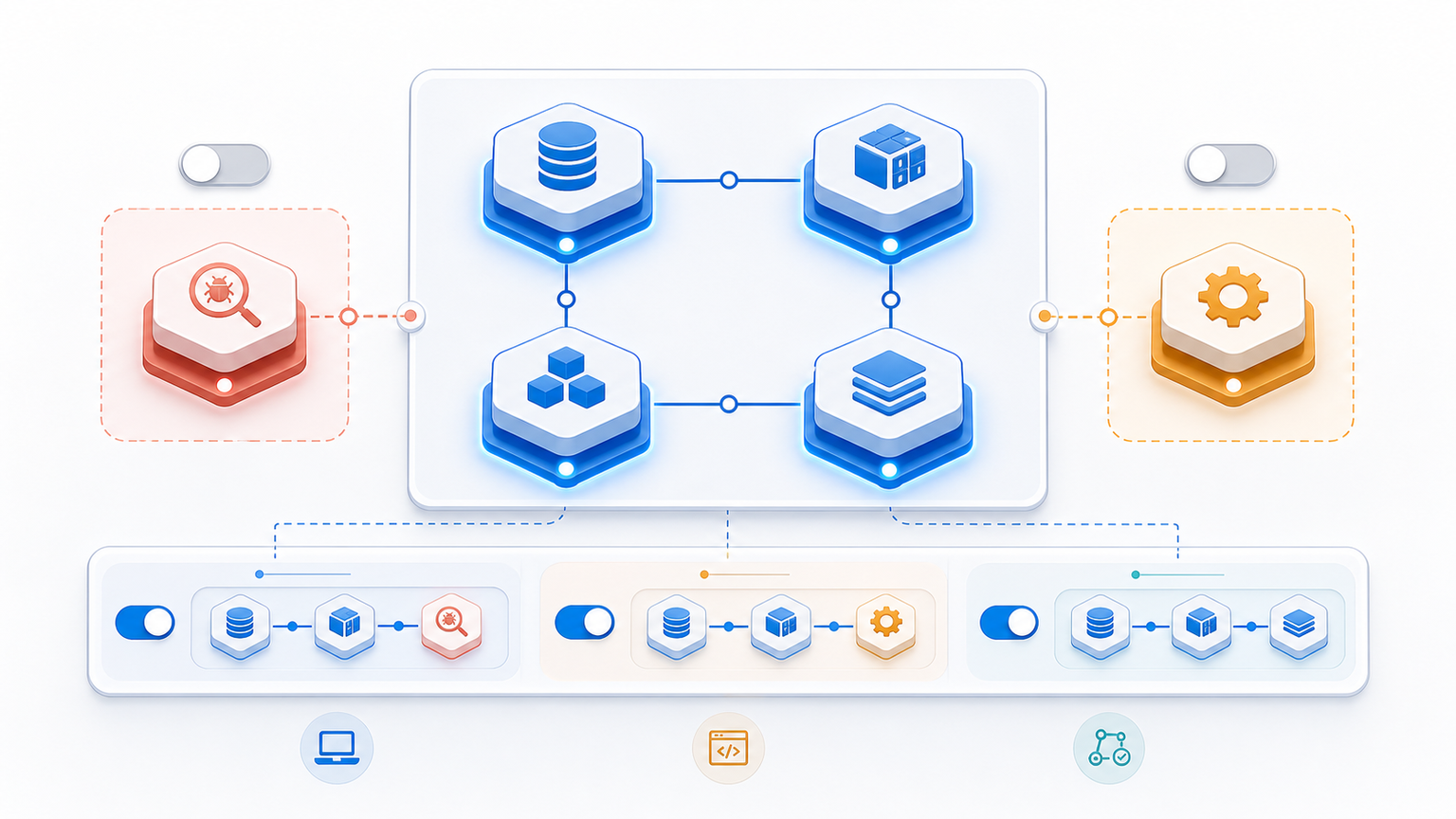
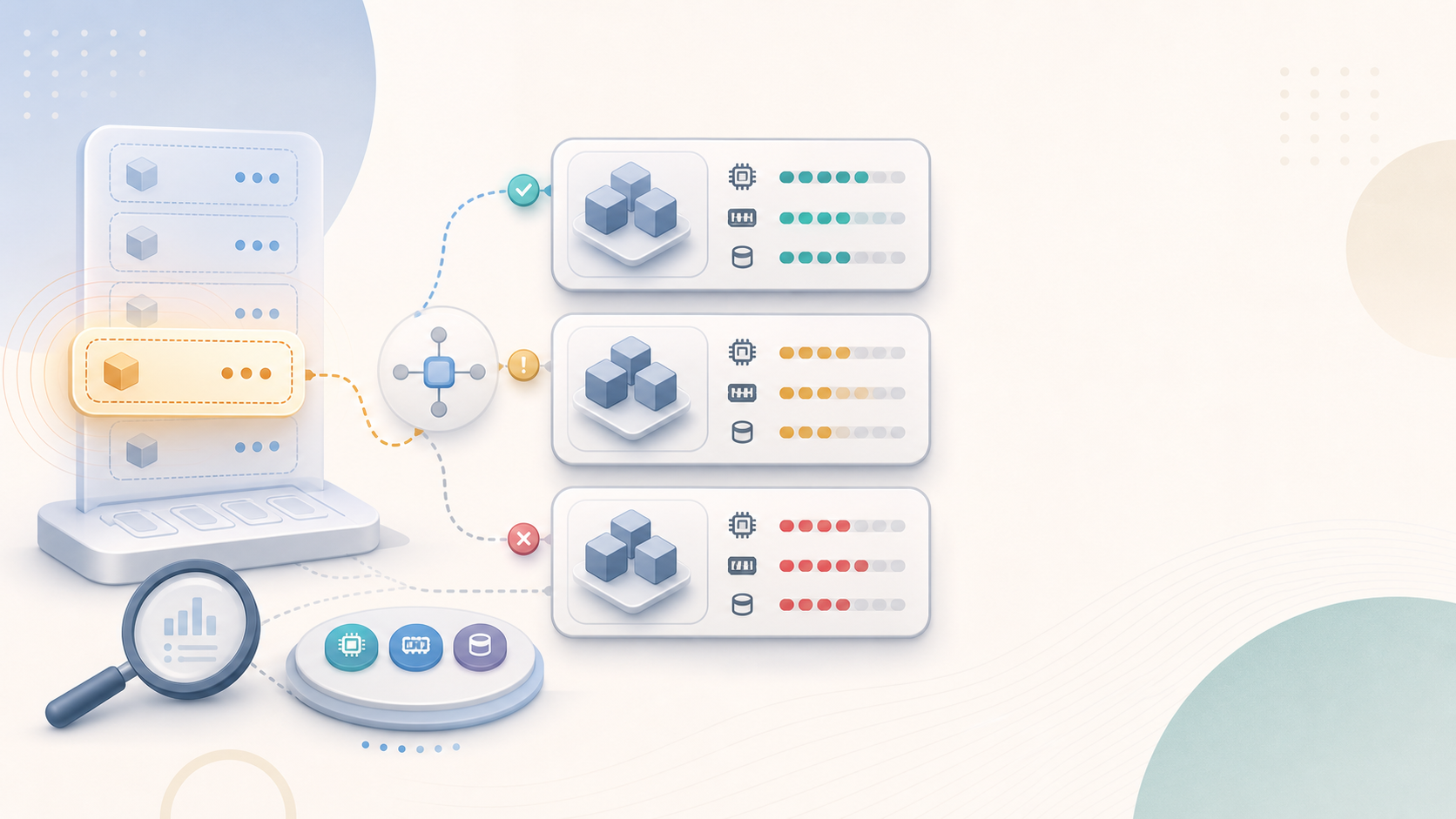
Think of EventBridge as a managed router for events:
- Producers emit events (AWS services, SaaS integrations, or your own apps).
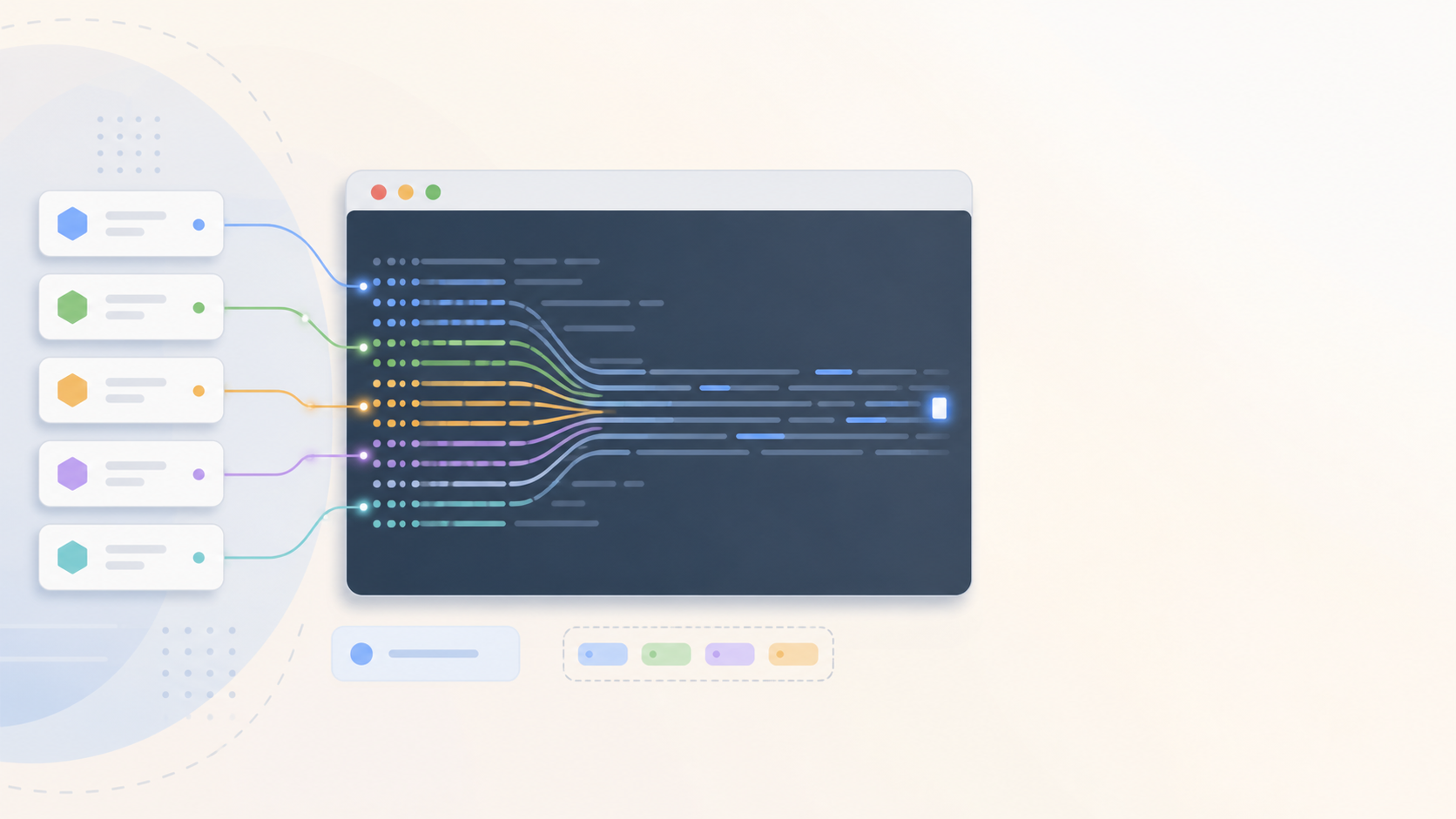
- Rules match events using an event pattern (a JSON filter).
- Targets receive matched events (Lambda, Step Functions, SQS, SNS, API Destinations, and more).
This lets you add, remove, or change consumers without touching the producer code.
When to use EventBridge (and when not to)
EventBridge is a great default for event-driven AWS glue, but it’s not the only tool. A quick way to decide:
- Use EventBridge when you need many-to-many routing, filtering by JSON fields, or multiple targets per event.
- Use SQS when your main problem is buffering + reliable work queues (pull-based processing, backpressure).
- Use SNS when you need pub/sub fan-out but filtering requirements are simple.
- Use Kinesis/MSK when you need high-throughput streaming with ordered shards/partitions and replay semantics as a primary requirement.
Common trap: treating EventBridge like a queue. It’s primarily a router. If your consumer needs to pull and control concurrency/backpressure, put SQS between EventBridge and the worker.
Core concepts you need (with a concrete example)
Events in EventBridge are JSON objects. A typical AWS service event has fields like source, detail-type, and detail.
{
  "version": "0",
  "id": "12345678-1234-1234-1234-123456789012",
  "detail-type": "Object Created",
  "source": "aws.s3",
  "account": "123456789012",
  "time": "2026-01-01T12:00:00Z",
  "region": "eu-central-1",
  "resources": ["arn:aws:s3:::my-bucket"],
  "detail": {
    "bucket": {"name": "my-bucket"},
    "object": {"key": "uploads/report.csv", "size": 1048576}
  }
}
Code language: JSON / JSON with Comments (json)
An event pattern is a filter that selects events you care about. For example, match only S3 “Object Created” events for a specific bucket and a prefix:
{
  "source": ["aws.s3"],
  "detail-type": ["Object Created"],
  "resources": ["arn:aws:s3:::my-bucket"],
  "detail": {
    "object": {
      "key": [{"prefix": "uploads/"}]
    }
  }
}
Code language: JSON / JSON with Comments (json)
Practical EventBridge use cases (the ones you’ll actually ship)
- Decouple microservices: service A emits
order.createdand multiple consumers react (billing, email, analytics) without direct dependencies. - Operational automation: route ECS task failures or Auto Scaling events to a Lambda that creates an incident / pages on-call.
- Cross-account event routing: centralize audit or security events into a shared “security bus” account for processing.
- SaaS integrations: receive partner events and route them to the right workflow (Step Functions) based on payload fields.
- Scheduled triggers: replace ad-hoc cron servers with EventBridge schedules that trigger Lambdas/State Machines.
Step-by-step: create a rule and send matched events to Lambda
This is the smallest “real” setup you can copy-paste. Goal: when a matching event arrives, invoke a Lambda function.
If you don’t have the AWS CLI set up yet, use this: AWS CLI installation guide (Ubuntu).
1) Create the rule (event pattern)
aws events put-rule --name rn-demo-s3-uploads --event-pattern file://pattern.jsonCode language: Bash (bash)2) Add the Lambda as a target
aws events put-targets --rule rn-demo-s3-uploads --targets "Id"="1","Arn"="arn:aws:lambda:eu-central-1:123456789012:function:my-handler"Code language: Bash (bash)3) Allow EventBridge to invoke the function
(Permissions are the #1 reason “nothing happens”. If IAM still feels fuzzy, this guide helps: Mastering AWS IAM Policies.)
aws lambda add-permission --function-name my-handler --statement-id rn-allow-eventbridge --action lambda:InvokeFunction --principal events.amazonaws.com --source-arn arn:aws:events:eu-central-1:123456789012:rule/rn-demo-s3-uploadsCode language: Bash (bash)Quick check: if the rule never fires, first confirm (1) you’re in the right region, (2) the rule is enabled, and (3) your event pattern matches real events (test with a sample payload and simplify the pattern until it matches).
Troubleshooting: the 5 most common reasons “nothing happens”
- Pattern mismatch: one wrong field name or an unexpected
detail-type= zero matches. - Wrong region/account: events are regional; rules in
us-east-1won’t see events ineu-central-1. - Permissions: target invocation requires explicit permission (common for Lambda and cross-account setups).
- Target configuration: target ARN wrong, input transformer misconfigured, or DLQ not set where it should be.
- Assuming delivery = processing: EventBridge delivered, but the consumer failed (check target logs / DLQ / retries).
FAQ (real questions)
These are the questions that usually come up in the first week of using EventBridge.
Is EventBridge the same as SNS?
No. SNS is pub/sub messaging; EventBridge is more of an event router with JSON-based filtering and many AWS-native integrations. They can be combined (EventBridge → SNS → many subscribers) if needed.
How do I replay missed events?
For replay you typically design for it (for example: store events in S3/Kinesis or enable EventBridge archive/replay where it fits). If replay is critical, decide that early and test it before production.
Should I put SQS behind EventBridge?
If the consumer needs backpressure and concurrency control, yes. A common pattern is EventBridge → SQS → worker (Lambda/ECS) so the worker can pull and scale safely.
How do I make events consistent across microservices?
Define a minimal event contract (fields like source, detail-type, id, and a stable detail schema). Version the schema and treat changes like API changes.
Official docs (start here)
Conclusion
If you’re building on AWS and you want services to react to change without tight dependencies, EventBridge is one of the simplest “high leverage” primitives to adopt. Start with one rule + one target, get observability right, and only then scale the number of producers/consumers.

Leave a Reply