


Kubernetes has become the backbone of modern container orchestration, powering millions of clusters worldwide. As enterprises increasingly adopt Kubernetes to manage complex, distributed applications, understanding its core components is essential. One such critical component is Kubelet. This guide dives deep into what Kubelet is, how it functions, and why it plays a pivotal role in Kubernetes operations.
Understanding Kubernetes and Its Architecture
Before exploring Kubelet, it’s important to grasp the broader Kubernetes architecture. Kubernetes is an open-source platform designed to automate deploying, scaling, and managing containerized applications. It orchestrates clusters of machines, ensuring applications run reliably and efficiently across various environments, including cloud, on-premises, and edge. This flexibility allows organizations to leverage their existing infrastructure while also taking advantage of cloud-native capabilities, making it a preferred choice for modern application development.
At the heart of Kubernetes is a control plane that manages the cluster’s state, scheduling workloads, and maintaining desired configurations. This control plane is composed of several key components, including the API server, etcd (a distributed key-value store), the controller manager, and the scheduler. Each of these components plays a critical role in ensuring that the desired state of the application is maintained, responding to changes in real-time. Worker nodes, on the other hand, are where the actual application workloads run. Kubelet operates on these worker nodes, acting as the agent responsible for managing the lifecycle of containers. It communicates with the control plane to receive instructions and report back on the status of the containers it manages.
In addition to Kubelet, Kubernetes architecture includes other essential components such as the kube-proxy, which manages network routing for services, and the container runtime, which is responsible for running the containers themselves. This modular architecture allows for high levels of customization and scalability, enabling organizations to tailor their Kubernetes environments to fit specific needs. Furthermore, Kubernetes supports a wide range of container runtimes, including Docker, containerd, and CRI-O, providing flexibility in how applications are packaged and deployed. As organizations continue to embrace microservices and containerization, understanding this architecture becomes crucial for effectively leveraging Kubernetes to achieve operational efficiency and resilience.
What Is Kubelet?
Kubelet is a primary node agent that runs on each Kubernetes worker node. Its main responsibility is to ensure that containers described in PodSpecs (the specification files for Kubernetes pods) are running and healthy. Essentially, Kubelet acts as the bridge between the Kubernetes control plane and the node’s container runtime. By maintaining this connection, Kubelet plays a crucial role in the orchestration of containerized applications, allowing for seamless deployment and management across various environments.
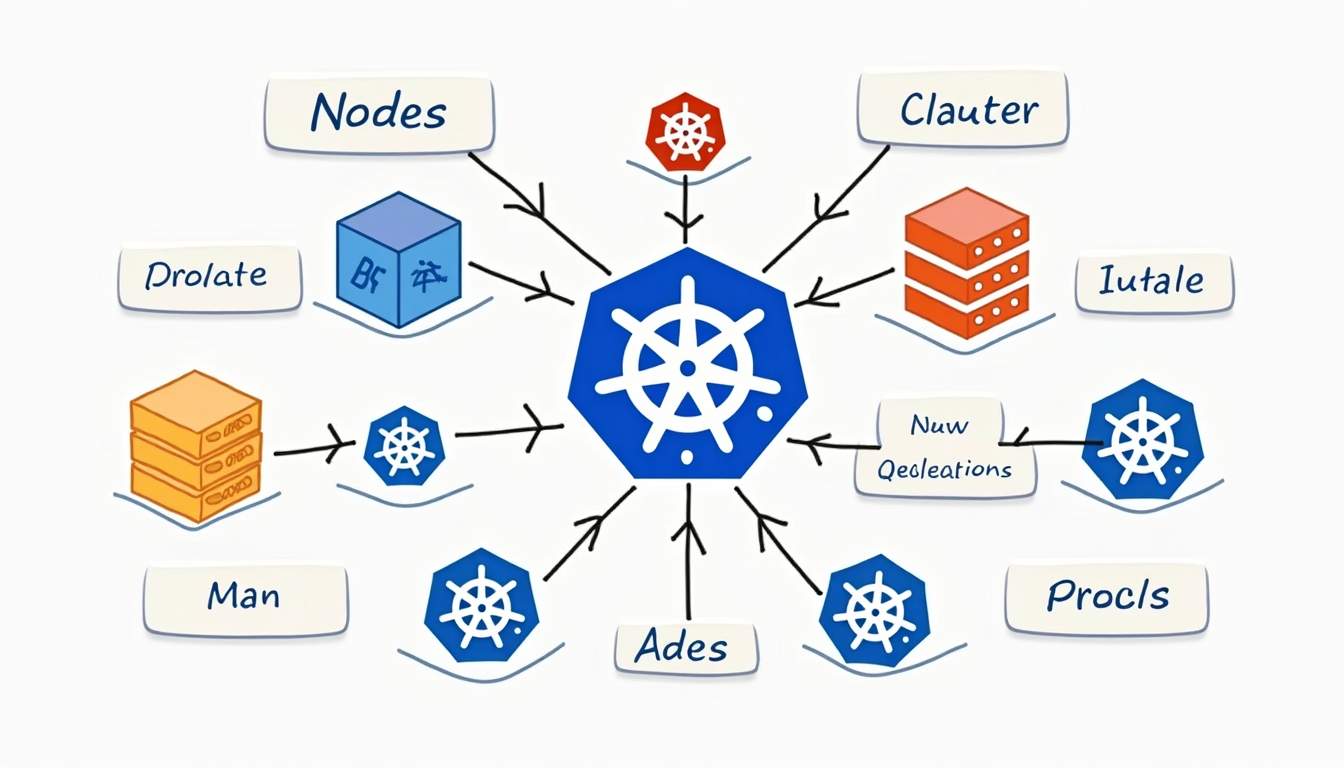
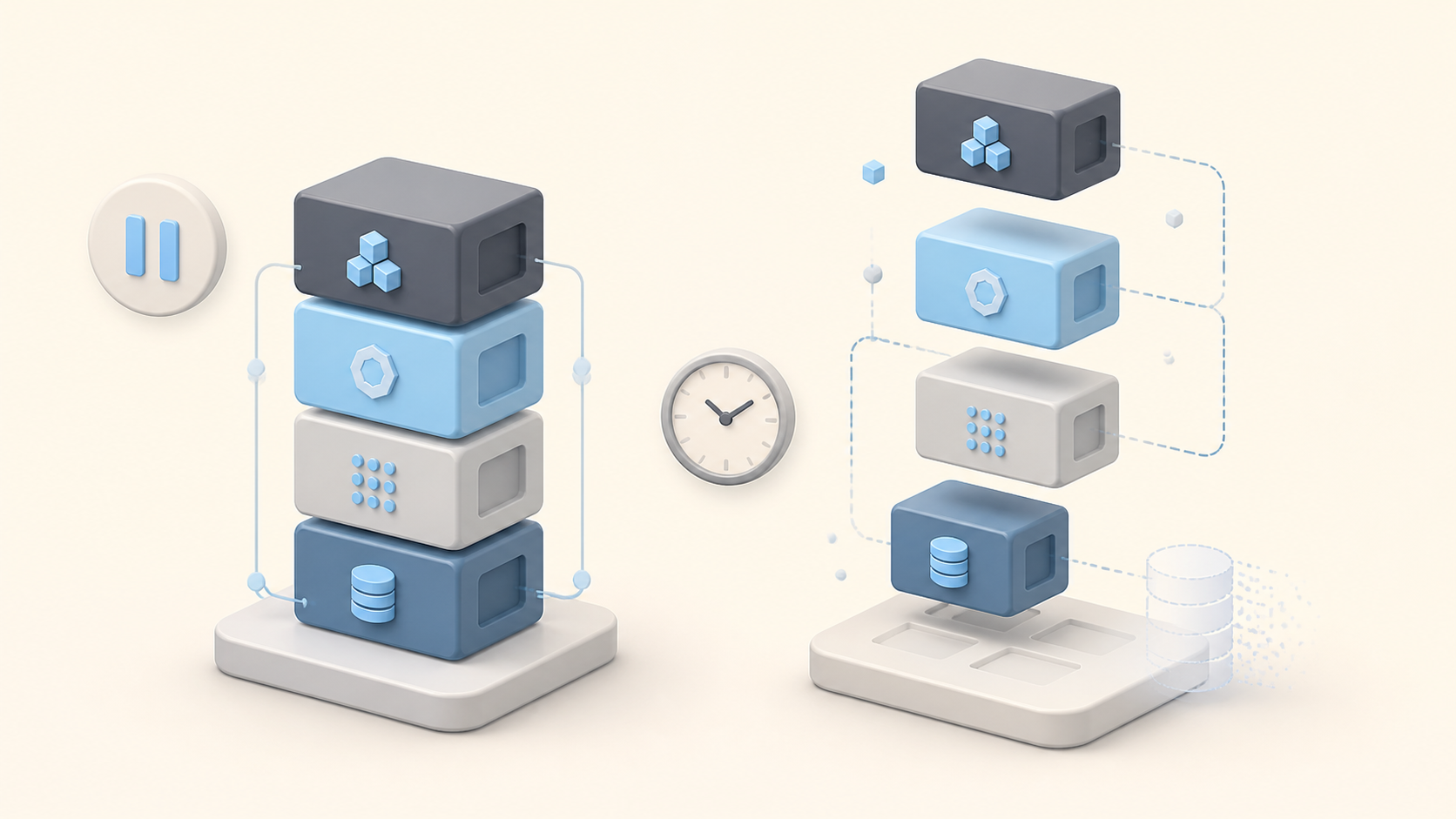
When the Kubernetes control plane schedules a pod to a node, it sends the pod specification to the Kubelet on that node. The Kubelet then ensures that the containers defined in the pod are started and remain running as expected. If a container crashes or stops, the Kubelet will attempt to restart it based on the pod’s restart policy. This self-healing capability is fundamental to Kubernetes’ resilience, allowing applications to recover from failures automatically without manual intervention.
Core Responsibilities of Kubelet
- Pod Lifecycle Management: Kubelet continuously monitors pods assigned to its node, ensuring containers are running and healthy.
- Node Status Reporting: It reports the health and status of the node and its pods back to the Kubernetes control plane.
- Container Runtime Interface: Kubelet interacts with container runtimes such as Docker, containerd, or CRI-O to manage container operations.
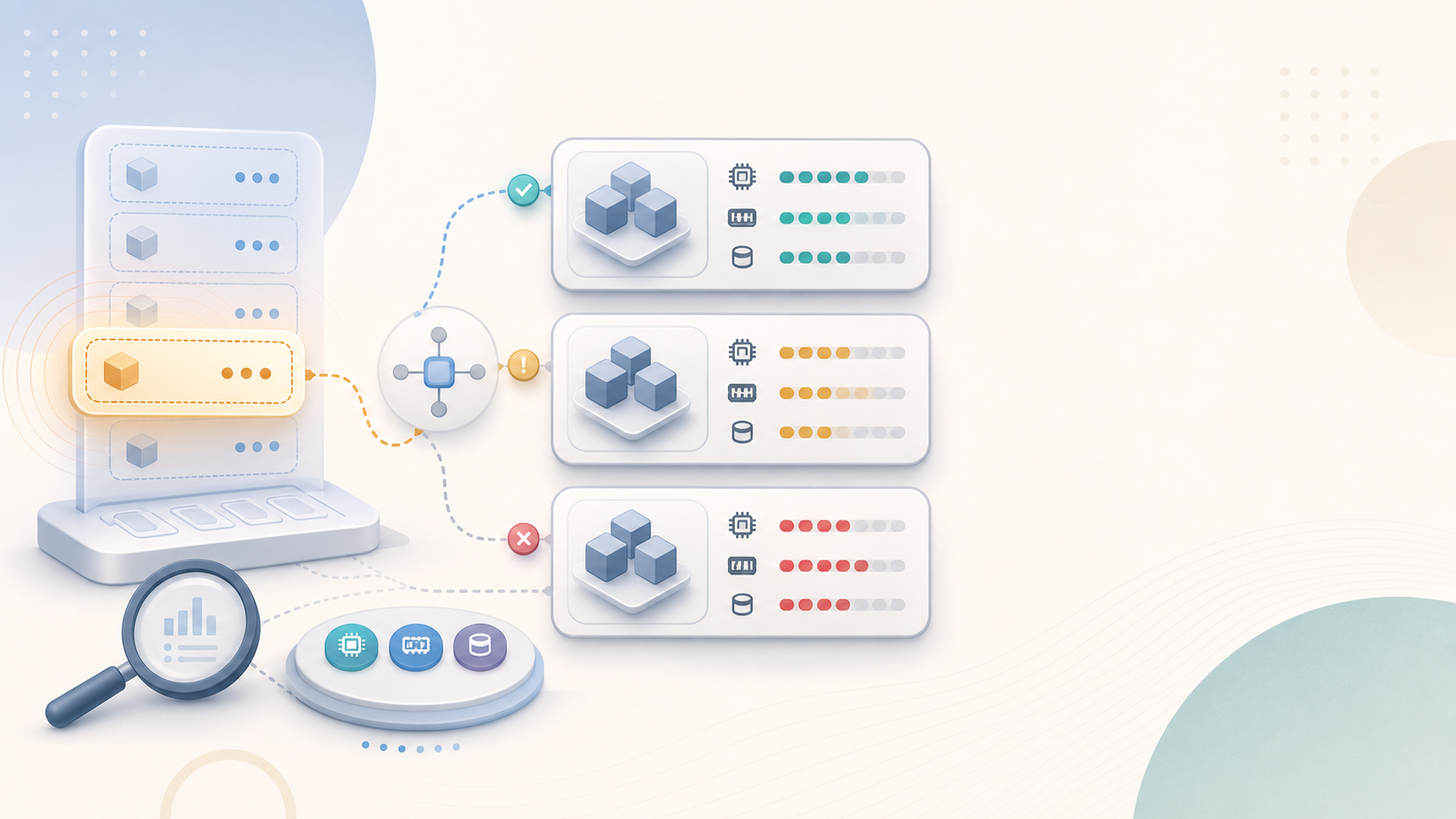
- Resource Monitoring: It monitors resource usage like CPU and memory to ensure pods do not exceed their allocated limits.
In addition to these core responsibilities, Kubelet also handles the configuration of pod networking and storage. It ensures that each pod has the necessary network interfaces and persistent storage volumes attached, allowing applications to communicate with each other and retain data across restarts. This configuration is vital for stateful applications that require consistent data access, such as databases and caching systems. Furthermore, Kubelet can also enforce security policies, ensuring that only authorized containers can run on a node, thus enhancing the overall security posture of the Kubernetes cluster.
Another significant aspect of Kubelet’s functionality is its ability to work with various Kubernetes features such as health checks and liveness probes. These mechanisms allow Kubelet to perform periodic checks on the health of running containers, ensuring that they are not only alive but also functioning correctly. If a container fails these checks, Kubelet can take corrective actions, such as restarting the container or reporting the issue back to the control plane for further analysis. This proactive monitoring helps maintain high availability and performance for applications deployed within the Kubernetes ecosystem.
How Does Kubelet Work?
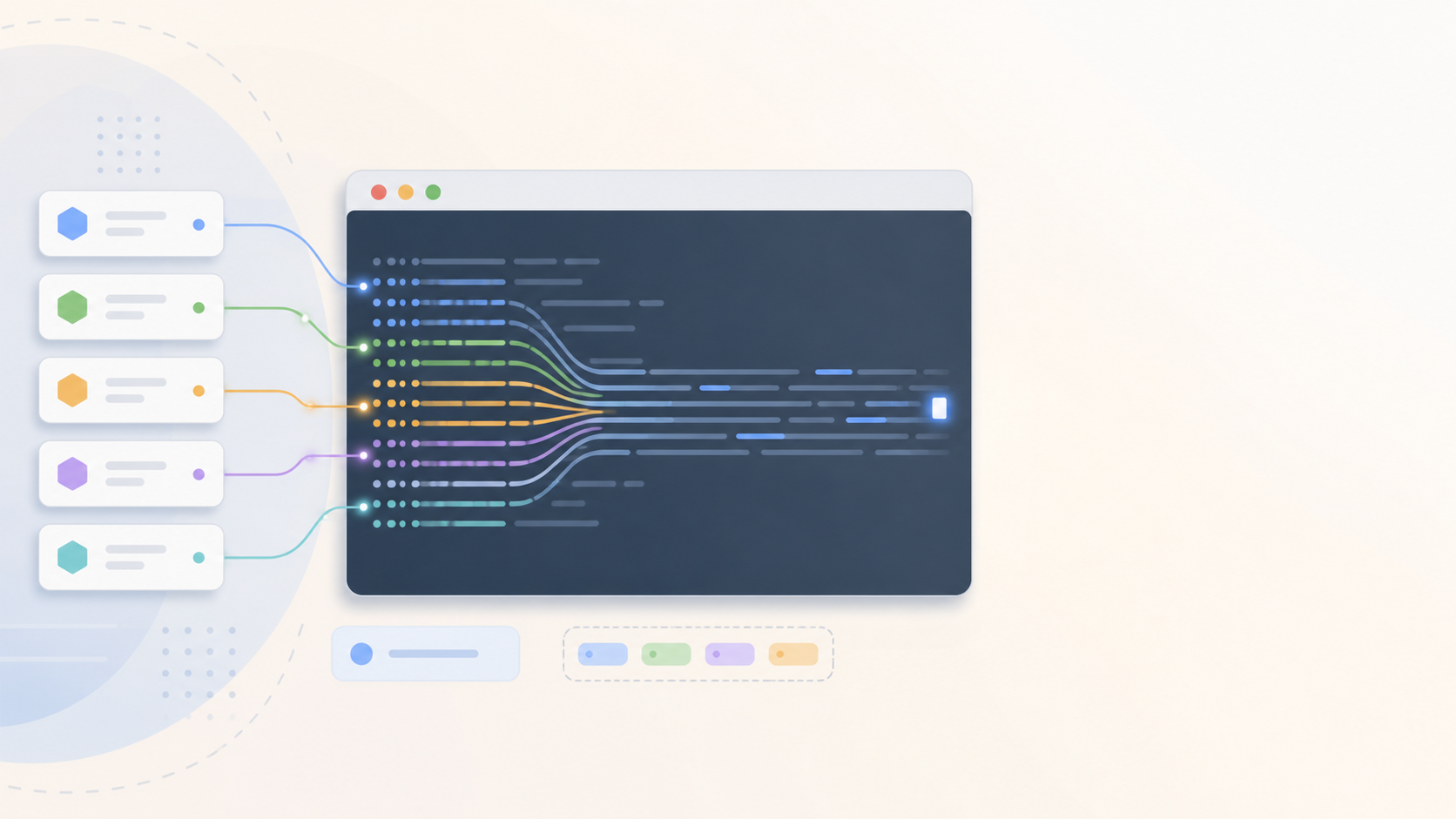
Kubelet operates by watching the Kubernetes API server for PodSpecs assigned to its node. Once it detects a new pod, it communicates with the container runtime to create and start the containers. It also performs health checks and liveness probes configured in the pod specification to ensure containers are functioning properly.
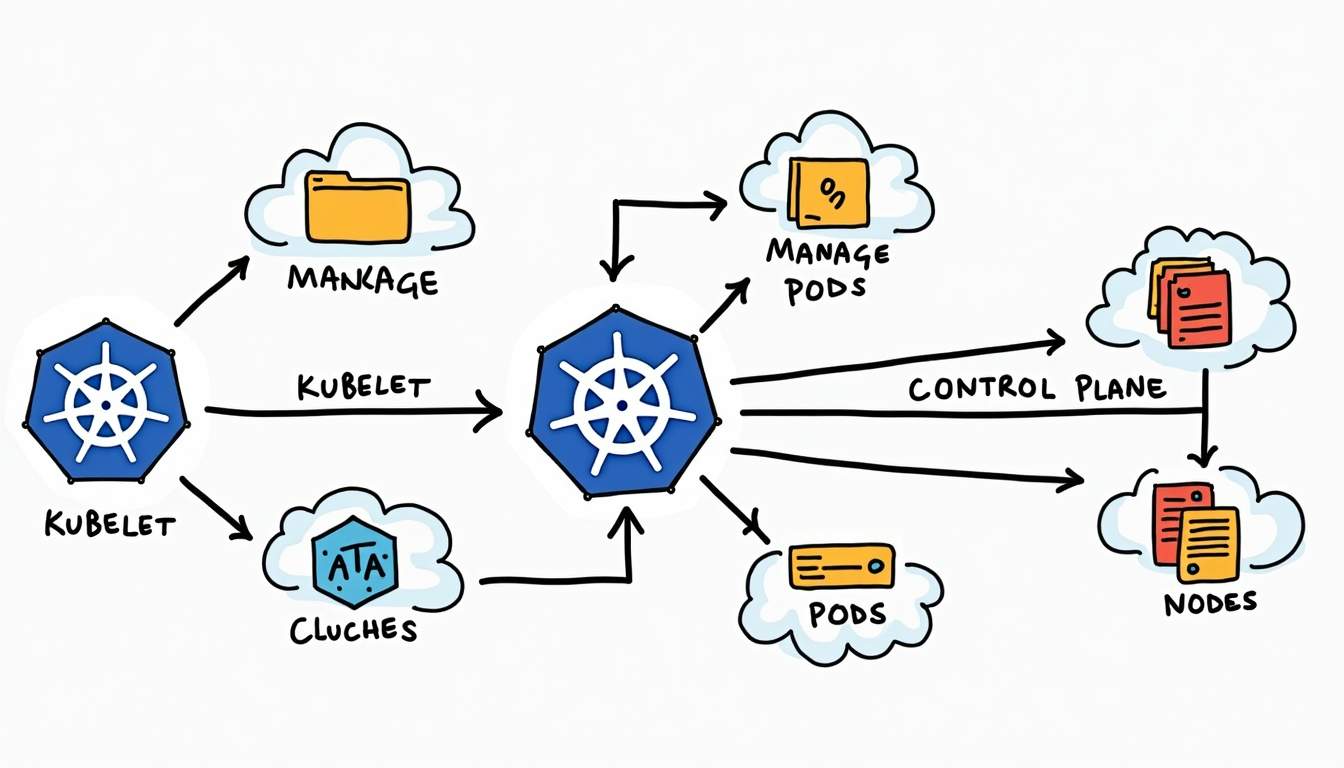
In addition to managing pods, Kubelet collects metrics and node status information, which it reports back to the control plane. This feedback loop helps Kubernetes make informed decisions about scheduling, scaling, and healing workloads.
Kubelet and Container Runtimes
Kubelet relies on the Container Runtime Interface (CRI) to interact with container runtimes. This abstraction allows Kubernetes to support multiple runtimes seamlessly. Popular runtimes include Docker, containerd, and CRI-O. When a pod is scheduled, Kubelet instructs the runtime to pull container images, create containers, and manage their lifecycle.
Why Is Kubelet Important in Kubernetes?
Kubelet’s role is fundamental to the operation of any Kubernetes cluster. Without Kubelet, the control plane would have no way to enforce the desired state on individual nodes or manage container workloads effectively. It ensures that the promises made by the control plane—such as running a certain number of replicas of an application—are kept at the node level.
Moreover, Kubelet contributes to the cluster’s self-healing capabilities. By monitoring container health and restarting failed containers automatically, it minimizes downtime and improves application resilience.
Operational Challenges Involving Kubelet
While Kubernetes adoption is widespread—with over 70% of enterprises globally using container-based deployments and millions of Kubernetes clusters active—operational challenges remain. According to the Komodor 2026 Enterprise Kubernetes Report, the real challenge is operational rather than architectural. Kubelet, being a critical operational component, can be a source of complexity, especially in large-scale environments with multiple clusters and nodes.
Issues such as resource constraints, network connectivity, and node failures can impact Kubelet’s ability to manage pods effectively. Proper monitoring and logging of Kubelet’s activities are essential to troubleshoot and maintain cluster health.
Kubelet in Edge and Hybrid Cloud Environments
The rise of edge computing and hybrid cloud strategies has expanded Kubernetes’ footprint beyond traditional data centers. In 2024, 63% of enterprises adopted edge computing strategies, leveraging Kubernetes to manage workloads closer to users for reduced latency and improved performance.
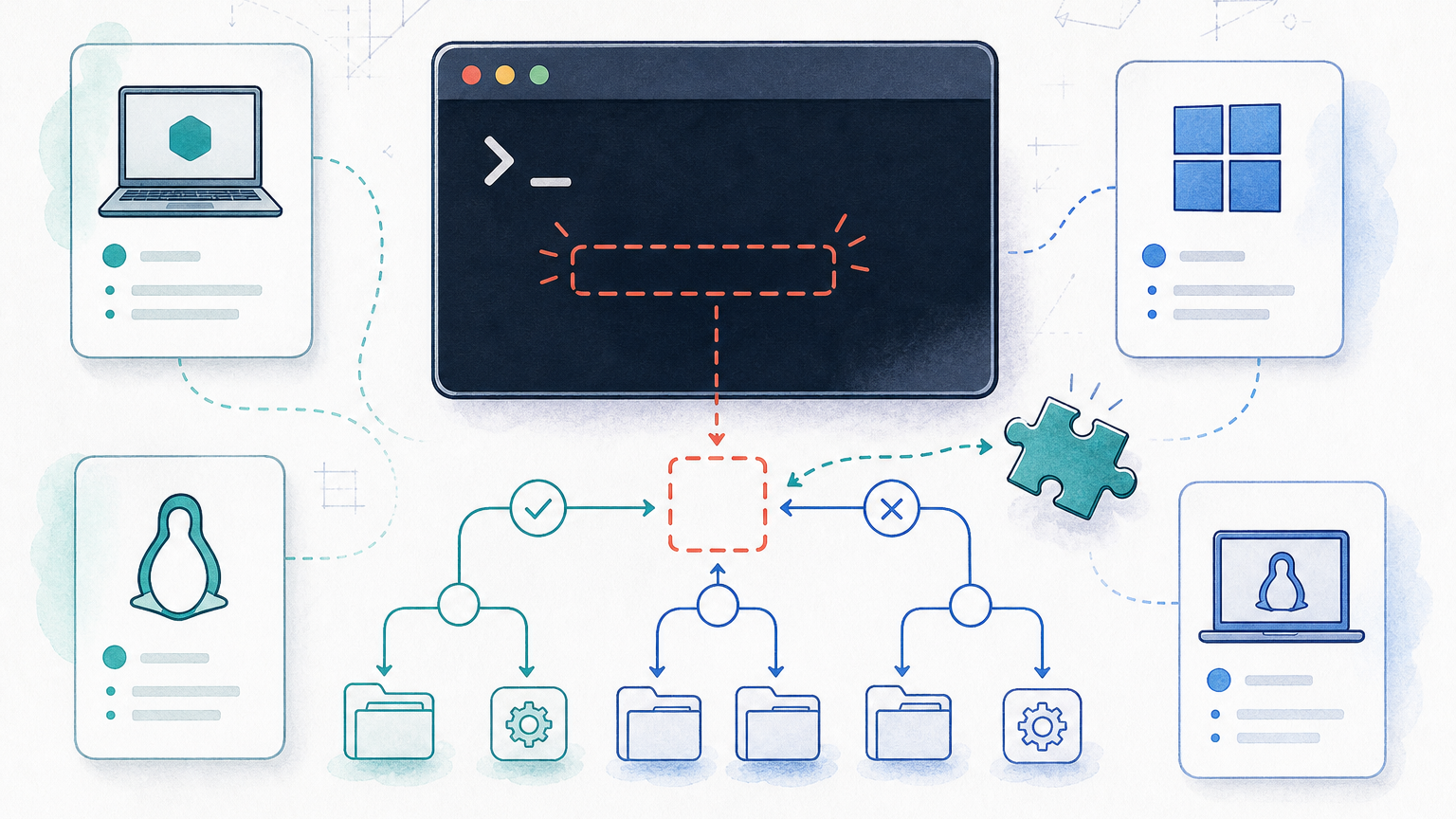
Kubelet plays a vital role in these distributed environments by managing containers on edge nodes that often have limited resources and intermittent connectivity. Lightweight Kubernetes distributions such as k3s have been developed to optimize resource consumption for edge use cases, with Kubelet tailored to operate efficiently under such constraints.
Performance Considerations for Kubelet at the Edge
A recent study analyzing lightweight Kubernetes distributions found that k3s exhibited the lowest resource consumption, while other distributions like k0s and standard Kubernetes excelled in data plane throughput and latency. This highlights the importance of selecting the right Kubernetes flavor and tuning Kubelet for specific edge workloads to balance performance and resource efficiency.
Security Aspects of Kubelet
Security remains a critical concern in Kubernetes environments. Discussions around Kubernetes security constitute a significant portion of developer conversations, with over 12% of Kubernetes-related discussions on platforms like Stack Overflow focusing on security topics.
Kubelet, as a node-level agent with access to sensitive cluster information and control over container lifecycle, represents a potential attack surface. Securing Kubelet involves:
- Enabling authentication and authorization mechanisms to restrict access.
- Using TLS encryption for all communications between Kubelet and the API server.
- Regularly updating Kubelet to patch vulnerabilities.
- Implementing network policies to limit exposure.
Properly securing Kubelet is essential to maintain the overall security posture of Kubernetes clusters.
Future Trends and Innovations Involving Kubelet
As Kubernetes continues to evolve, so does Kubelet. Recent developments such as Red Hat’s release of RHEL 10 with integrated AI inference capabilities demonstrate how Kubernetes is becoming a platform for advanced hybrid-cloud AI operations. Kubelet’s role in managing AI workloads efficiently at scale is expected to grow.
Additionally, emerging practices like GitOps and platform engineering are shaping how enterprises manage Kubernetes clusters. Despite these advances, challenges like change management, cost control, and skills gaps persist, underscoring the need for continued innovation in Kubelet’s functionality and tooling.
Conclusion
Kubelet is a cornerstone of Kubernetes, responsible for ensuring that container workloads run smoothly on each node. Its role in pod lifecycle management, node status reporting, and container runtime interaction makes it indispensable for maintaining cluster health and reliability.
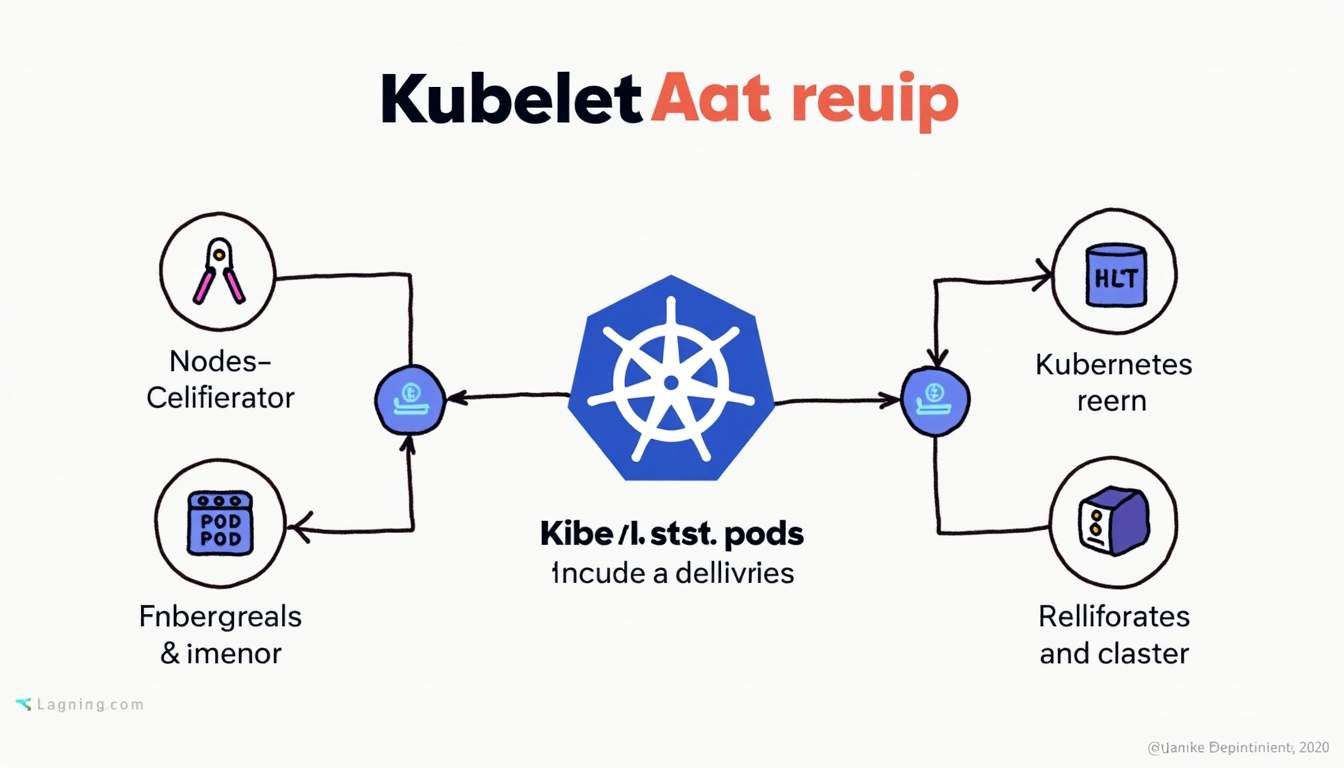
With Kubernetes adoption soaring globally and clusters scaling across multiple clouds and edge environments, understanding and effectively managing Kubelet is crucial for any organization leveraging Kubernetes. As operational challenges and security concerns remain top of mind, investing in Kubelet monitoring, security, and optimization will continue to be a priority for enterprises aiming to harness the full power of Kubernetes.

Leave a Reply