


Kubernetes has become the cornerstone of modern cloud-native infrastructure, powering everything from startups to global enterprises. Yet, despite its widespread adoption, many organizations still grapple with the complexity of managing Kubernetes clusters effectively. Central to this challenge is the Kubernetes control plane—the brain of the Kubernetes ecosystem. This comprehensive guide dives into what the control plane is, how it functions, and why mastering it is crucial for operational success.
What Is the Kubernetes Control Plane?
The Kubernetes control plane is the collection of processes that manage the state and lifecycle of a Kubernetes cluster. It acts as the command center, orchestrating the deployment, scaling, and maintenance of containerized applications. Without the control plane, the worker nodes that run application containers would have no instructions or coordination.
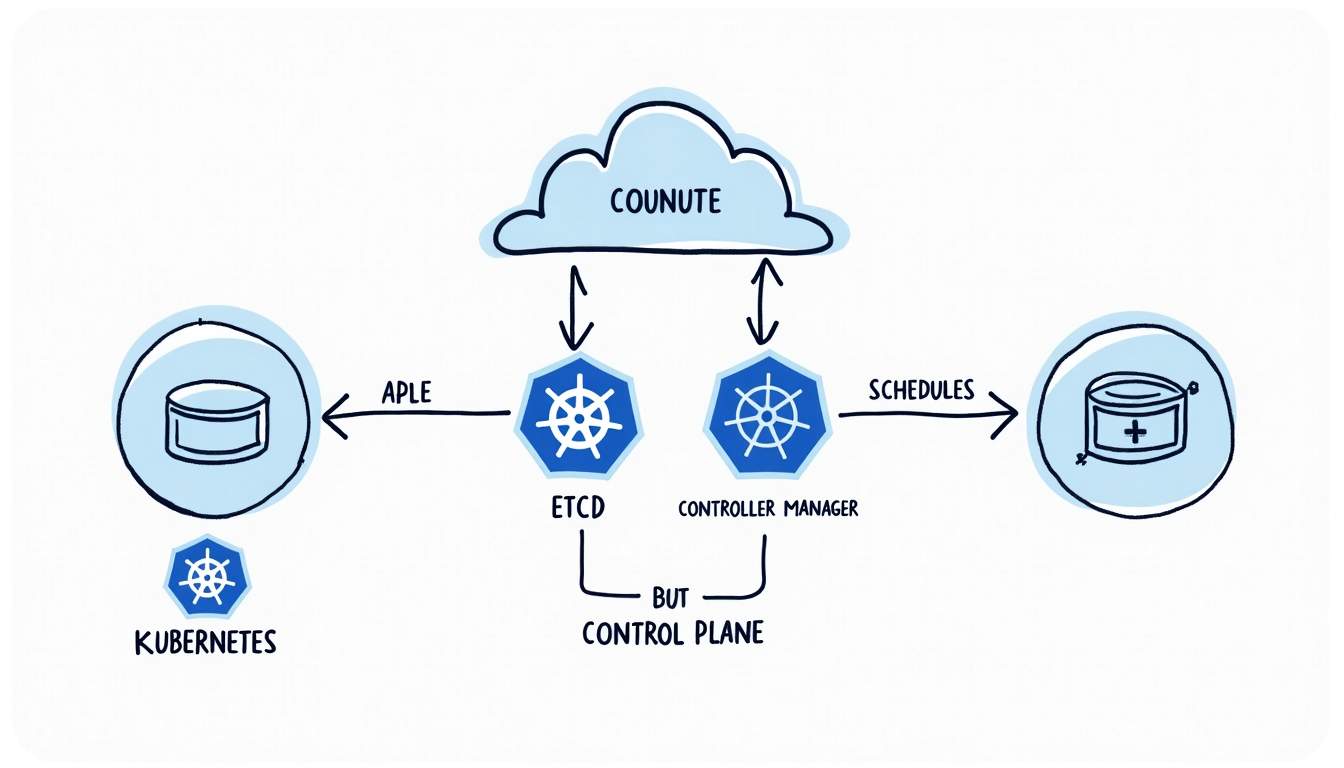
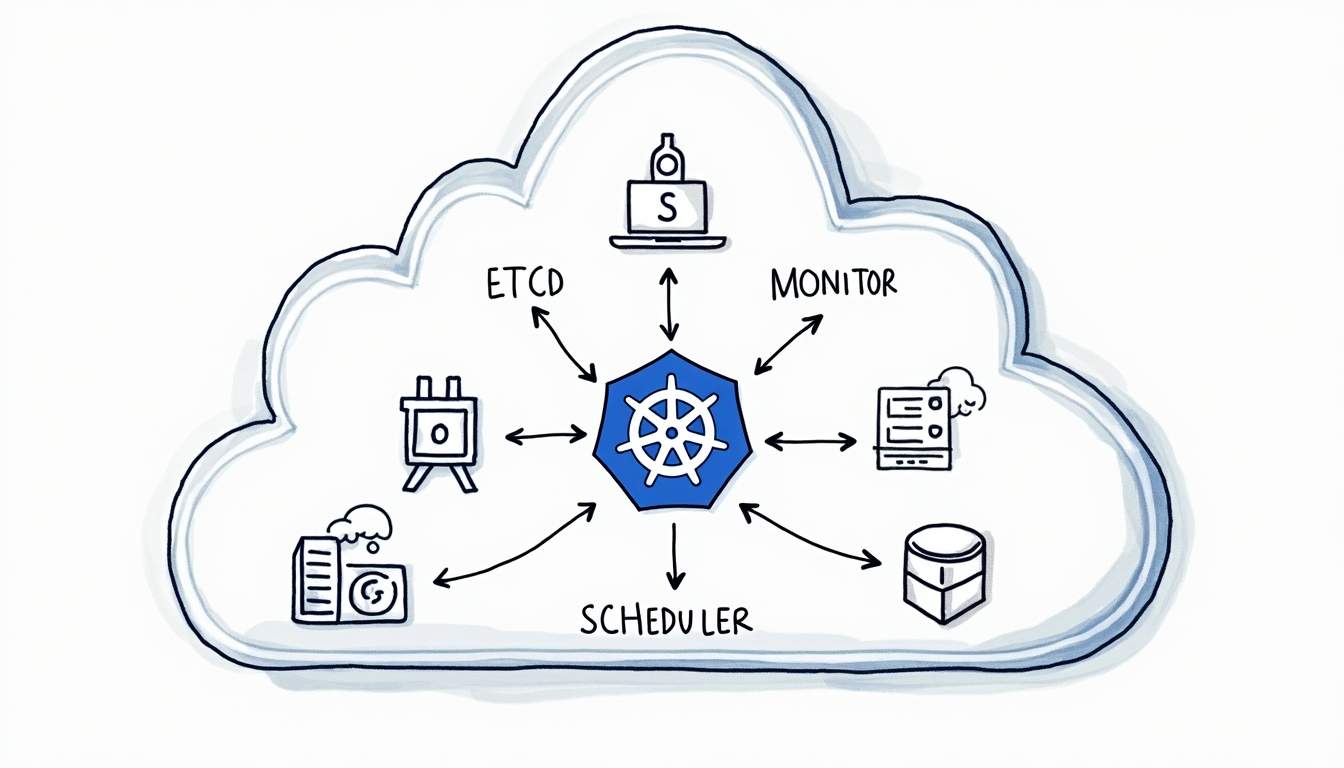
At a high level, the control plane consists of several core components, including the API server, scheduler, controller manager, and etcd—the distributed key-value store. Each plays a vital role in ensuring the cluster operates smoothly and reflects the desired state defined by users. The control plane not only oversees the operational aspects of the cluster but also plays a crucial role in maintaining the overall health and performance of the applications running within it. By continuously monitoring the state of the cluster, the control plane can react to changes, whether they are initiated by users or occur due to external factors such as hardware failures or network issues.
Core Components of the Control Plane
API Server: The API server is the front door to the Kubernetes control plane. It exposes the Kubernetes API, allowing users and components to communicate with the cluster. All requests to create, update, or delete Kubernetes objects go through the API server, which validates and processes them. This component is designed to handle a high volume of requests and is a critical point for interaction with the cluster. It also supports various authentication and authorization mechanisms, ensuring that only permitted users and applications can make changes to the cluster’s state.
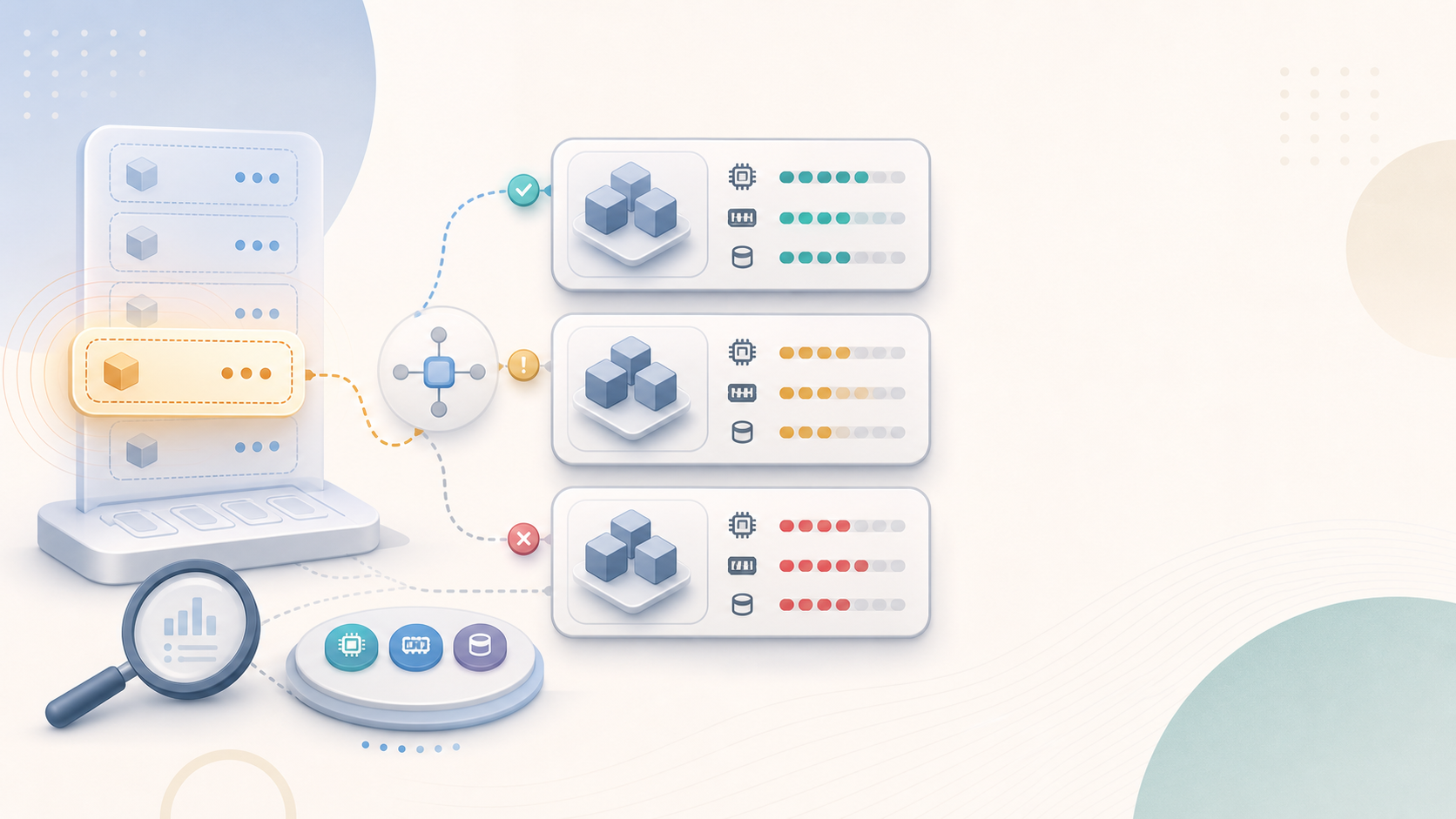
Scheduler: The scheduler assigns pods to nodes based on resource availability, constraints, and policies. It ensures workloads are efficiently distributed across the cluster. The scheduler uses sophisticated algorithms to make decisions, taking into account factors such as node resource utilization, affinity and anti-affinity rules, and any custom scheduling policies defined by the user. This intelligent placement of pods not only optimizes resource usage but also enhances application performance and reliability, making it a key player in the overall efficiency of the Kubernetes ecosystem.
Controller Manager: This component runs various controllers that monitor the cluster state and make adjustments to maintain the desired state. For example, the replication controller ensures the specified number of pod replicas are running at any time. The controller manager is responsible for managing different types of controllers, such as the node controller, which watches for the health of nodes, and the endpoint controller, which manages the endpoints for services. By continuously reconciling the actual state of the cluster with the desired state, the controller manager plays a pivotal role in ensuring that the applications remain resilient and responsive to changes.
etcd: Serving as Kubernetes’ backing store, etcd holds all cluster data, including configuration and state. It is a highly available, distributed key-value store that guarantees consistency and durability of cluster information. The design of etcd ensures that data is replicated across multiple nodes, providing fault tolerance and high availability. This is crucial for maintaining the integrity of the cluster state, especially in scenarios where nodes may fail or need to be replaced. Additionally, etcd supports watch functionality, allowing components to subscribe to changes in the data, which is essential for real-time updates and synchronization across the control plane.
Why the Control Plane Matters in Kubernetes Operations
Understanding the control plane is not just an academic exercise—it has real-world implications for cluster reliability, security, and scalability. As Kubernetes adoption grows, so does the complexity of managing it. According to the 2024 State of Production Kubernetes report by Spectro Cloud, 76% of adopters still face significant challenges due to Kubernetes’ inherent complexity, despite it being a mature technology.
Nearly 80% of production outages are caused by recent system changes, as highlighted by the Komodor 2026 Enterprise Kubernetes Report. This statistic underscores the operational challenges organizations face in maintaining cluster stability, particularly when managing the control plane and its interactions with worker nodes.
Operational Complexity and Its Impact
Kubernetes was designed for flexibility rather than simplicity. Enterprises often run multiple Kubernetes distributions and clusters across various environments, including multiple clouds and on-premises data centers. Spectro Cloud’s research shows that 56% of businesses operate more than 10 Kubernetes clusters, and 69% run Kubernetes in multiple clouds or hybrid environments, with 80% expecting their scale to increase.
This multi-cluster, multi-cloud reality introduces operational inconsistency and tooling sprawl, placing a heavy burden on platform teams tasked with ensuring performance, security, and uptime. Ratan Tipirneni of Tigera notes that this complexity is a growing challenge, as enterprises must balance flexibility with operational consistency.
How the Control Plane Enables Kubernetes Functionality
The control plane’s components work in concert to provide the core Kubernetes functionalities that users rely on daily. These include scheduling workloads, maintaining desired states, handling scaling, and managing cluster health.
Scheduling and Resource Management
The scheduler evaluates resource availability and constraints to place pods on nodes optimally. This process ensures efficient utilization of cluster resources, balancing workloads to prevent bottlenecks or overloading specific nodes.
Maintaining Desired State
Kubernetes operates on a declarative model, where users specify the desired state of the system, and the control plane works continuously to achieve and maintain that state. Controllers monitor the cluster and take corrective actions, such as restarting failed pods or scaling replicas up or down.
Cluster Health and Security
The control plane also plays a critical role in cluster health monitoring and security enforcement. Components like the API server enforce authentication and authorization policies, while etcd ensures the integrity and availability of cluster data. Recent advancements, such as D2iQ’s Kommander Pro platform launched in May 2024, highlight the increasing focus on automated policy enforcement and lifecycle management, especially for high-security sectors like defense and aerospace.
Emerging Innovations in Control Plane Management
As Kubernetes continues to evolve, new tools and technologies are emerging to simplify control plane management and reduce operational overhead.
Leveraging AI and Natural Language Interfaces
One exciting development is the integration of large language models (LLMs) into Kubernetes management. The KubeIntellect framework, for example, uses an LLM-powered system to enable natural language interaction across Kubernetes API operations. This approach has demonstrated a 93% success rate in tool synthesis and 100% reliability across 200 natural language queries, significantly lowering the barrier for operators to manage complex clusters effectively.
Focus on Security and Compliance
Security remains a top priority for Kubernetes control plane management. Platforms like Kommander Pro provide automated policy enforcement tailored for air-gapped and high-security environments, addressing the stringent requirements of sectors such as defense and aerospace. These solutions help organizations maintain compliance while managing the growing scale and complexity of Kubernetes deployments.
Best Practices for Managing the Kubernetes Control Plane
Effective control plane management is essential to harness the full power of Kubernetes while minimizing risks. Here are some best practices to consider:
Implement Robust Monitoring and Alerting
Continuous monitoring of control plane components helps detect issues early and prevent outages. Tools that provide visibility into API server performance, etcd health, and scheduler activity are invaluable for maintaining cluster stability.
Automate Policy Enforcement
Automation reduces human error and ensures consistent application of security and operational policies. Leveraging platforms with built-in policy management capabilities can streamline compliance and governance.
Plan for Scalability
Given that many organizations operate multiple clusters and expect growth, designing the control plane architecture with scalability in mind is critical. This includes considering high availability configurations and distributed etcd clusters.
Invest in Training and Documentation
With Kubernetes’ complexity, well-trained teams and comprehensive documentation are vital. Encouraging knowledge sharing and continuous learning helps teams stay ahead of operational challenges.
The Future of Kubernetes Control Plane Management
Kubernetes is poised to remain the foundation of container orchestration for years to come. Gartner predicts that over 90% of organizations will run production applications in containers by 2027, underscoring the importance of mastering Kubernetes control plane management.
As the ecosystem matures, expect to see further innovations aimed at simplifying operations, enhancing security, and improving user experience. AI-driven management tools, enhanced automation, and specialized platforms for regulated industries will play increasingly prominent roles.
Ultimately, organizations that invest in understanding and optimizing their Kubernetes control plane will be better positioned to leverage the full benefits of cloud-native technologies while minimizing downtime and operational risks.
Conclusion
The Kubernetes control plane is the heart of any Kubernetes cluster, orchestrating the complex interplay of components that keep applications running smoothly. Despite its power, the control plane introduces operational challenges that require careful management, especially as clusters grow in size and complexity.
By gaining a deep understanding of the control plane’s architecture, embracing emerging tools like AI-powered management systems, and adopting best practices for monitoring, automation, and scalability, organizations can overcome these challenges. This approach not only reduces the risk of outages—nearly 80% of which are linked to recent system changes—but also paves the way for secure, reliable, and scalable Kubernetes deployments.
As Kubernetes continues to evolve, staying informed and proactive about control plane management will be key to maintaining a competitive edge in the cloud-native landscape.

Leave a Reply