


In today’s fast-paced software development landscape, integrating security seamlessly into development and operations is no longer optional—it’s essential. DevSecOps, the practice of embedding security into every phase of the DevOps lifecycle, has emerged as a critical approach for organizations aiming to deliver secure, reliable software at speed. Whether you’re just starting out or looking to deepen your expertise, this article addresses the most pressing questions around DevSecOps, backed by the latest industry insights and statistics.
What Is DevSecOps and Why Is It Important?
DevSecOps stands for Development, Security, and Operations. It represents a cultural and technical shift that integrates security practices directly into the DevOps workflow rather than treating security as a separate, final step. This approach ensures that security is a shared responsibility across development, security, and operations teams.
The importance of DevSecOps is underscored by the fact that 78% of security breaches stem from vulnerabilities in code. By embedding security early and continuously, organizations can identify and remediate these vulnerabilities before they reach production environments. According to recent reports, 76% of organizations have already integrated security into their DevOps processes, highlighting the growing recognition of DevSecOps as a best practice.
Benefits of DevSecOps
Adopting DevSecOps offers multiple advantages. For one, 70% of companies adopting DevSecOps report improved security outcomes, demonstrating the effectiveness of this approach in reducing risks. Additionally, organizations experience faster software delivery, with 84% reporting that DevSecOps helps them deploy software more quickly. This dual benefit of enhanced security and speed is a key driver behind the increasing adoption of DevSecOps worldwide.
Moreover, DevSecOps fosters a culture of collaboration and transparency among teams, breaking down silos that often hinder efficient workflows. By encouraging open communication, teams can share insights and best practices, leading to more robust security measures and innovative solutions. This collaborative environment not only enhances the overall quality of the software but also boosts team morale, as members feel more engaged and invested in the security of the products they develop.
Furthermore, the integration of automated security tools within the CI/CD pipeline is a significant aspect of DevSecOps. These tools enable continuous monitoring and testing, allowing teams to detect vulnerabilities in real time. This proactive approach minimizes the risk of security issues escalating into larger problems, ultimately saving organizations both time and resources. As the landscape of cyber threats continues to evolve, the ability to adapt and respond quickly becomes paramount, making DevSecOps not just a trend, but a necessity for modern software development.
How Does DevSecOps Improve Collaboration Between Teams?
One of the core principles of DevSecOps is fostering collaboration between development, security, and operations teams. Traditionally, security teams were siloed, often brought in late in the development cycle, which could cause delays and friction. DevSecOps breaks down these barriers by encouraging shared responsibility and continuous communication. This integrated approach not only streamlines workflows but also ensures that security considerations are embedded from the very beginning of the software development lifecycle, leading to more robust and secure applications.
Statistics show that 81% of organizations believe DevSecOps improves collaboration between development and security teams. This enhanced teamwork not only accelerates the identification and mitigation of security issues but also cultivates a culture where security is everyone’s priority. By utilizing collaborative tools and practices such as automated testing and continuous integration, teams can work together more effectively, sharing insights and feedback in real-time. This not only enhances the overall quality of the software but also builds trust among team members, as they collectively take ownership of security outcomes.
Culture Change: The Biggest Challenge
Despite its benefits, shifting to a DevSecOps mindset is not without challenges. Culture change is often cited as the biggest barrier, with 69% of respondents identifying it as a significant hurdle. Overcoming entrenched silos and resistance to change requires strong leadership, clear communication, and ongoing training to embed security practices into daily workflows effectively. Leadership must champion this transition, demonstrating commitment to a security-first culture by investing in tools and resources that facilitate collaboration and continuous learning.
Moreover, fostering an environment where team members feel empowered to voice their concerns and share ideas is crucial. Regular workshops and cross-functional team meetings can help in breaking down barriers and promoting a shared understanding of security objectives. By encouraging open dialogue and collaboration, organizations can create a more agile and responsive environment, where security is not an afterthought but a fundamental aspect of every project. This cultural shift not only enhances security posture but also drives innovation, as teams are more willing to experiment and adopt new technologies when they feel supported and aligned in their goals.
What Tools and Practices Are Essential in DevSecOps?
DevSecOps relies heavily on automation and integration of security tools within the continuous integration and continuous delivery (CI/CD) pipelines. This ensures that security checks happen continuously and automatically, reducing manual effort and human error.
Currently, 65% of organizations deploy security tools as part of their CI/CD pipelines, and 54% have integrated automated security testing into these workflows. Automation not only speeds up the development process but also enhances accuracy in detecting vulnerabilities.
Security Automation and Its Impact
Automation is a cornerstone of mature DevSecOps practices. Around 60% of security teams have adopted some form of automation in their workflows, and 85% of organizations with mature DevSecOps practices report high levels of security automation. This shift is expected to accelerate further, with Gartner predicting that by 2026, 80% of security testing will be automated. These trends highlight the growing reliance on automated tools to maintain security without compromising agility.
When Should Security Be Integrated in the Development Process?
Integrating security early in the development lifecycle is a fundamental tenet of DevSecOps. Addressing security concerns during the design and coding phases helps catch vulnerabilities before they become costly problems.
More than half of developers—52%—believe that security considerations should be addressed early in the software development process. This early integration not only improves security but also saves time, as 63% of developers report that incorporating security upfront reduces overall development time by minimizing late-stage fixes.
Detecting Vulnerabilities Early
One of the measurable benefits of early security integration is vulnerability detection. Organizations implementing DevSecOps practices identify 52% of security vulnerabilities during the development phase itself. This proactive approach significantly reduces the risk of breaches and lowers the cost and complexity of remediation.
How Does DevSecOps Affect Time-to-Market and Business Outcomes?
Speed is a critical factor in software delivery, and DevSecOps has proven to accelerate time-to-market without compromising security. Organizations using DevSecOps report a 40% faster time-to-market for new features, enabling them to respond to market demands and customer needs more rapidly.
Moreover, 84% of organizations confirm that DevSecOps helps them deploy software faster, which is a compelling advantage in competitive industries. Faster releases combined with improved security posture translate into better business outcomes and customer trust.
Reducing Security Risks and Improving Compliance
DevSecOps also plays a vital role in reducing security risks. About 73% of CIOs state that adopting DevSecOps reduces security risks, while 70% of organizations report a decline in security breaches after implementation. Additionally, 58% of IT teams have observed improved compliance with regulatory standards, demonstrating DevSecOps’ value beyond just vulnerability management.
What Is the Future Outlook for DevSecOps?
The DevSecOps market is experiencing rapid growth, reflecting increasing demand for secure software development practices. Market projections indicate a compound annual growth rate (CAGR) between 24% and 28.85% over the next several years, with estimates suggesting the market could reach between $22 billion and nearly $46 billion by 2030 and 2032 respectively.

This growth is fueled by the rising adoption of automation, the increasing complexity of cyber threats, and the need for faster, more secure software delivery. Organizations that embrace DevSecOps are positioning themselves to meet these challenges head-on.
Key Trends Driving DevSecOps Growth
Automation of security testing is set to become mainstream, with predictions that 80% of security testing will be automated by 2026. Additionally, the integration of security tools within CI/CD pipelines is becoming standard practice, and the cultural shift towards shared responsibility for security continues to gain momentum.
How Can Organizations Successfully Implement DevSecOps?
Successful DevSecOps adoption requires a balanced approach involving technology, processes, and culture. Organizations should start by fostering collaboration between development, security, and operations teams. Training and awareness programs can help overcome cultural resistance.
Investing in automated security tools that integrate seamlessly into existing CI/CD pipelines is crucial. Continuous monitoring and feedback loops ensure that security remains a priority throughout the software lifecycle.
Measuring Success in DevSecOps
Key performance indicators (KPIs) such as reduction in security vulnerabilities, faster time-to-market, improved compliance, and decreased mean time to resolution (MTTR) for security issues can help track the effectiveness of DevSecOps initiatives. For instance, 58% of organizations report a reduction in MTTR after adopting DevSecOps, highlighting quicker incident response and remediation.
Conclusion
DevSecOps is transforming the way organizations approach software development and security. By embedding security into every phase of the DevOps lifecycle, organizations can achieve faster delivery, improved security outcomes, and better compliance. While cultural change remains a significant challenge, the benefits of DevSecOps are clear and supported by compelling industry data.
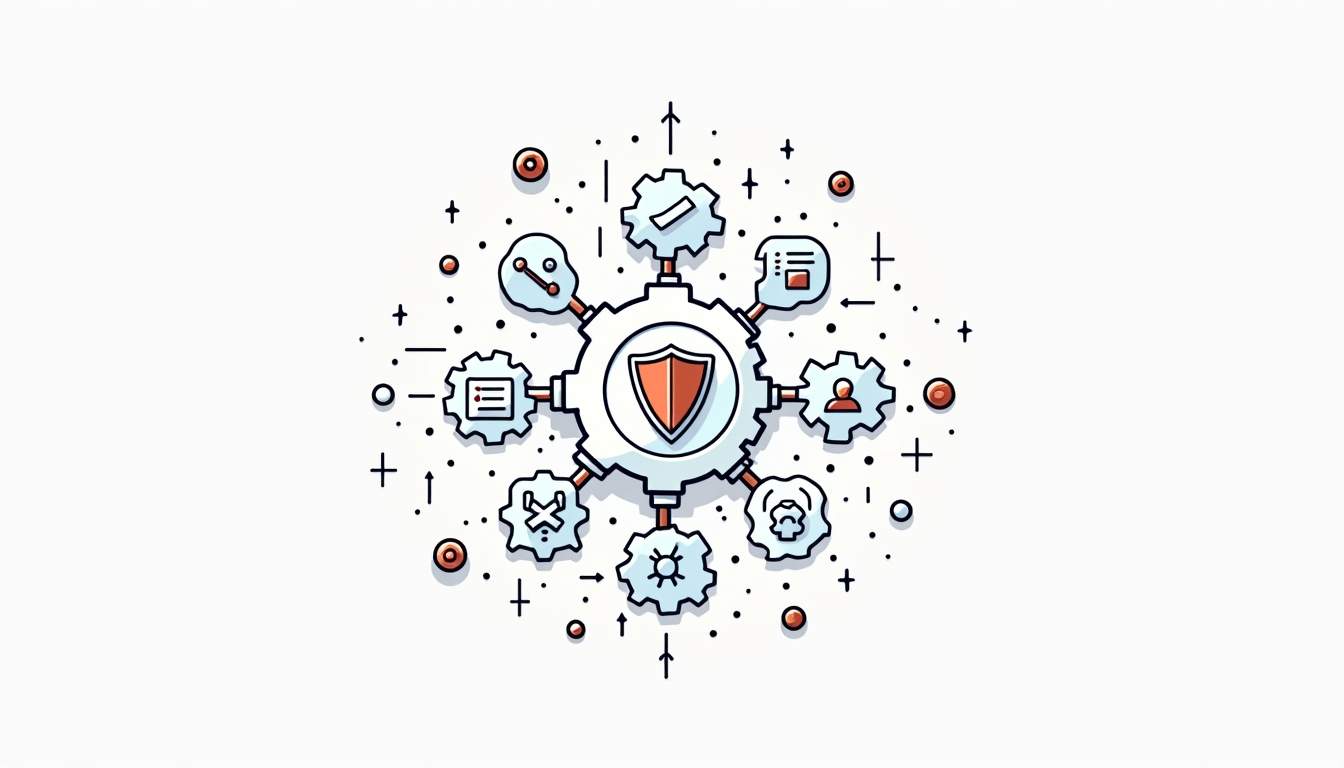
As the market continues to grow and automation becomes more prevalent, mastering DevSecOps principles and practices will be essential for both beginners and experts aiming to build secure, resilient software systems.

Leave a Reply