


In today’s fast-paced software development landscape, organizations are constantly seeking ways to accelerate delivery, improve quality, and foster collaboration. DevOps has emerged as a transformative approach that bridges development and operations teams, enabling continuous integration, continuous delivery (CI/CD), and automation. However, the backbone of any successful DevOps strategy is a well-curated toolstack that supports these goals effectively.
This article explores the essential DevOps tools that streamline software development, enhance productivity, and reduce failure rates. Backed by recent industry statistics, it highlights why investing in the right toolset is critical for organizations aiming to stay competitive in 2026 and beyond.
Understanding the Importance of a Robust DevOps Toolstack
DevOps is not merely a set of practices but a cultural shift that requires the right tools to automate workflows, monitor systems, and facilitate collaboration. According to ZipDo Education Reports 2026, 87% of organizations report that DevOps helps them increase their software delivery speed. This acceleration is largely driven by automation and integration tools that eliminate manual bottlenecks and enable rapid, reliable deployments.
Moreover, companies that have implemented DevOps experience 22% fewer failures, as reported by WorldMetrics DevOps Industry Statistics 2024. This reduction in errors is a direct result of continuous testing, monitoring, and feedback mechanisms embedded within the toolstack. Organizations that leverage these tools effectively also see a 50% higher market capitalization growth, underscoring the tangible business value of a mature DevOps ecosystem.
Why Tool Selection Matters
Choosing the right tools is crucial because it shapes the entire software delivery lifecycle. A mismatched or incomplete toolstack can lead to integration challenges, slowdowns, and increased operational risks. Conversely, a well-integrated toolset empowers teams to deploy software more frequently—Bacancy Technology reports that DevOps-enabled companies deploy 2.8 times more frequently than their counterparts.
In addition to deployment frequency, tools that facilitate faster customer feedback implementation are vital. Gitnux’s 2024 report highlights a 40% reduction in lead time for incorporating customer feedback in organizations with DevOps, which translates to more responsive and user-focused development cycles. This responsiveness is not just about speed; it also enhances product quality, as teams can iterate based on real user experiences and needs, leading to a more refined final product that resonates with the target audience.
Furthermore, the integration of advanced analytics tools within the DevOps toolstack can provide teams with invaluable insights into application performance and user behavior. By leveraging data analytics, organizations can proactively identify potential issues before they escalate into significant problems, thereby enhancing system reliability. This predictive capability is becoming increasingly important in a landscape where user expectations are continually rising, and downtime can lead to substantial financial losses and reputational damage. As such, investing in a comprehensive DevOps toolstack not only streamlines operations but also fortifies an organization’s position in a competitive market.
Core Categories of DevOps Tools
A comprehensive DevOps toolstack typically spans several categories, each addressing specific phases of the software development and operations lifecycle. Understanding these categories helps organizations build a balanced and effective toolset.
1. Continuous Integration and Continuous Delivery (CI/CD) Tools
CI/CD tools automate the building, testing, and deployment of applications, enabling teams to deliver software updates rapidly and reliably. Popular tools in this category include Jenkins, GitLab CI/CD, CircleCI, and Travis CI. These platforms integrate with version control systems to trigger automated pipelines whenever code changes are committed.
The impact of CI/CD tools on delivery speed and quality is profound. Automation reduces human error and accelerates feedback loops, leading to faster iterations and higher software quality. With the global DevOps tools market expected to reach $25 billion by 2026, demand for robust CI/CD solutions continues to soar, reflecting their critical role in modern development workflows. Furthermore, CI/CD practices encourage a culture of collaboration and shared responsibility among team members, as everyone is involved in the process of code integration and deployment, fostering a sense of ownership over the final product.
2. Containerization and Orchestration Tools
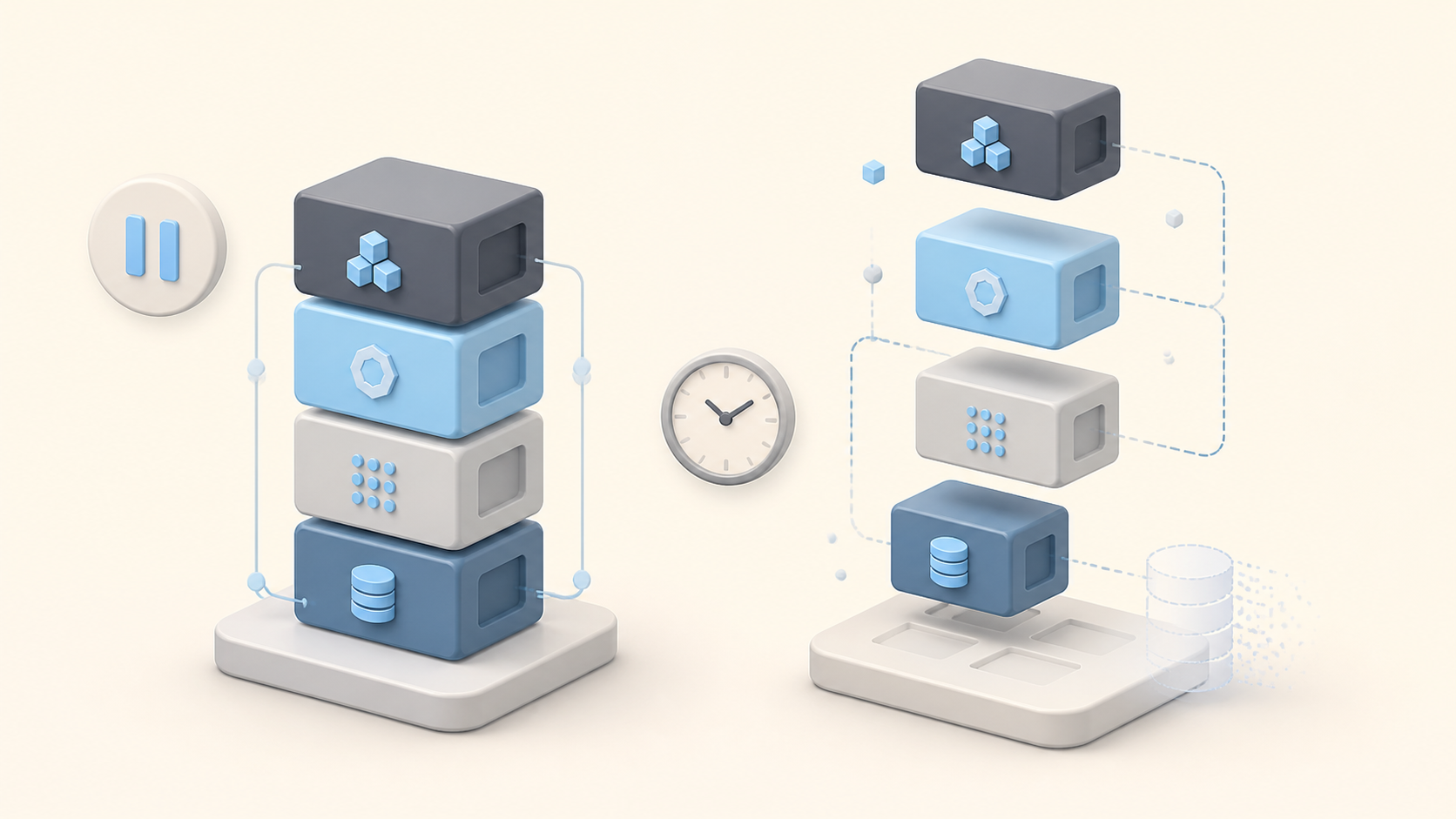
Containers package applications and their dependencies into lightweight, portable units that run consistently across environments. Docker is the leading containerization platform, while Kubernetes has become the de facto standard for container orchestration, managing deployment, scaling, and networking of containerized applications.
These tools enable microservices architectures and cloud-native development, allowing teams to build scalable, resilient applications. Container orchestration also supports continuous deployment by automating rollouts and rollbacks, contributing to the 22% fewer failures observed in DevOps-driven companies. Additionally, the use of containers can significantly enhance resource utilization, as multiple containers can run on a single host without the overhead typically associated with virtual machines, leading to cost savings and more efficient operations.
3. Infrastructure as Code (IaC) Tools
Infrastructure as Code tools like Terraform, Ansible, and AWS CloudFormation allow teams to define and manage infrastructure using code. This approach brings automation, version control, and repeatability to infrastructure provisioning, reducing configuration drift and manual errors.
IaC tools integrate seamlessly with CI/CD pipelines, enabling automated environment setups for development, testing, and production. This integration accelerates delivery and improves consistency, key factors in achieving the 48% increase in employee productivity reported by Gitnux in organizations adopting DevOps. Moreover, IaC promotes a shift-left approach to security, allowing teams to incorporate security measures early in the development process, thereby reducing vulnerabilities and enhancing compliance with industry standards.
4. Monitoring and Logging Tools
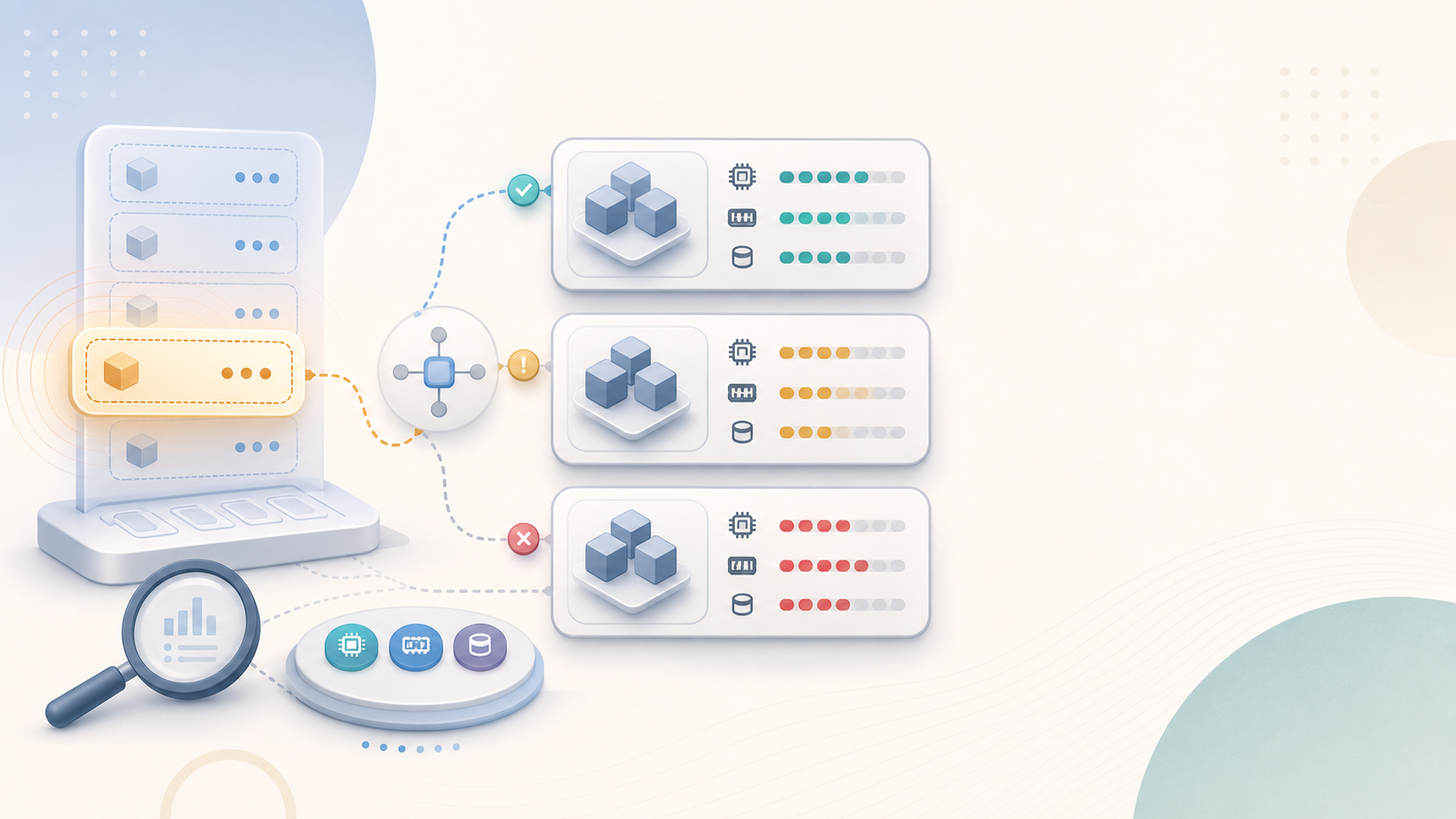
Continuous monitoring and logging are essential for maintaining application health and quickly identifying issues. Tools like Prometheus, Grafana, ELK Stack (Elasticsearch, Logstash, Kibana), and Datadog provide real-time insights into system performance and user behavior.
Effective monitoring supports proactive incident management and continuous improvement. It also facilitates faster incident resolution and reduces downtime, contributing to the overall reduction in failure rates and improved customer satisfaction. Furthermore, advanced monitoring solutions often incorporate machine learning algorithms that can predict potential issues before they escalate, allowing teams to address problems proactively rather than reactively, which is crucial in maintaining a competitive edge in today’s fast-paced digital landscape.
5. Collaboration and Communication Tools
DevOps thrives on collaboration between development, operations, and other stakeholders. Tools such as Slack, Microsoft Teams, Jira, and Confluence enable seamless communication, issue tracking, and documentation.
These platforms help break down silos, foster transparency, and ensure that feedback loops are efficient. Faster feedback incorporation, as noted earlier, leads to a 40% reduction in lead time for customer feedback implementation, a competitive advantage in dynamic markets. Additionally, the integration of collaboration tools with other DevOps tools enhances visibility across the entire development lifecycle, allowing teams to stay aligned on goals and priorities, ultimately driving better outcomes and fostering a culture of continuous improvement.
Building a Tailored DevOps Toolstack
While the categories above cover essential DevOps capabilities, the ideal toolstack varies depending on organizational size, industry, and specific project requirements. Here are some practical considerations for building a tailored toolstack:
Assess Current Processes and Pain Points
Start by evaluating existing workflows to identify bottlenecks and inefficiencies. Understanding where delays or errors occur helps prioritize which tools to adopt or upgrade. For example, if deployment frequency is low, investing in CI/CD automation can yield immediate benefits.
Ensure Tool Compatibility and Integration
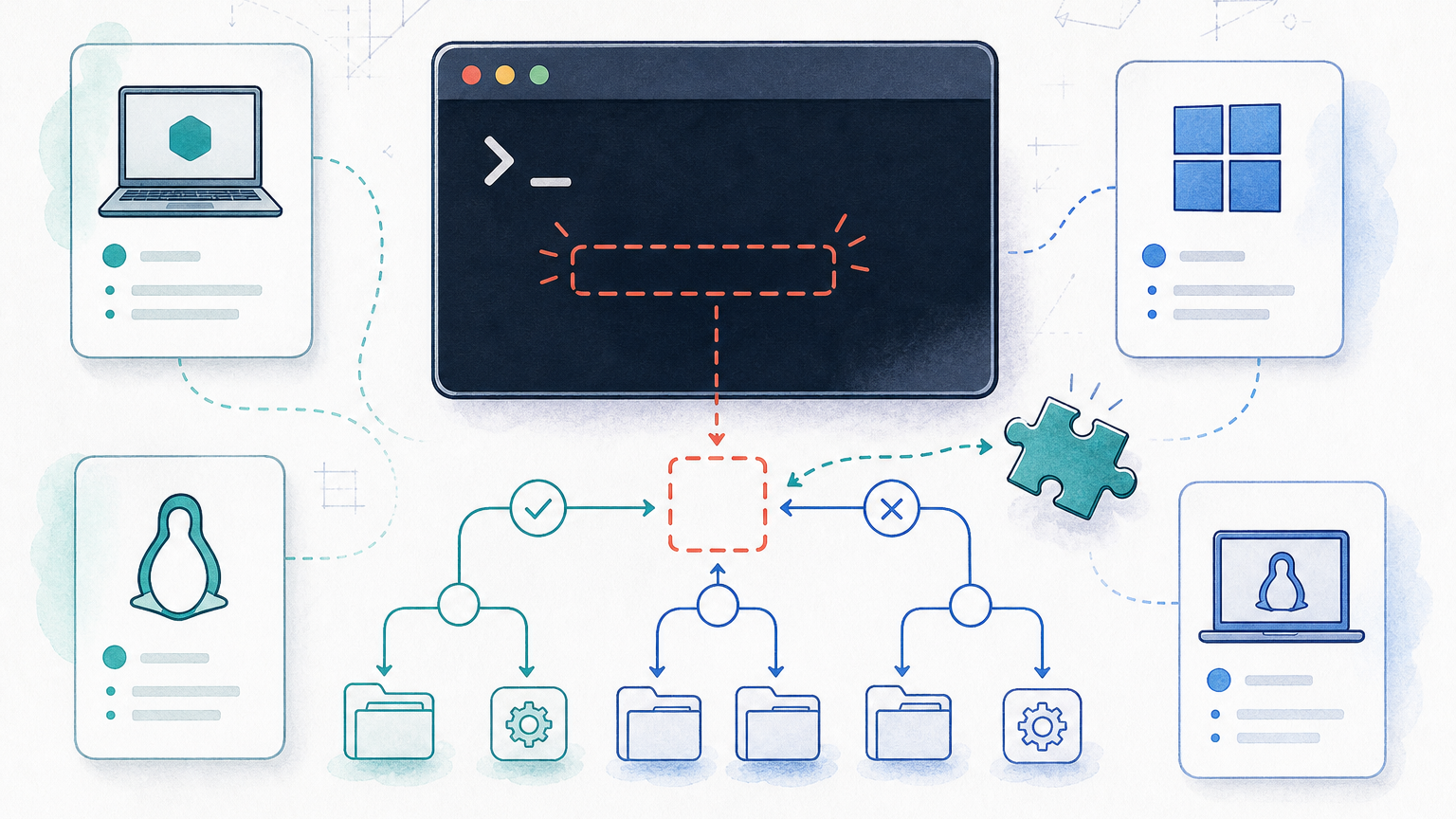
Tools should integrate smoothly with each other to avoid creating fragmented workflows. Many modern DevOps tools offer APIs and plugins that facilitate integration, but it’s important to verify compatibility upfront to prevent costly rework.
Prioritize Scalability and Flexibility
As organizations grow, their DevOps needs evolve. Selecting tools that can scale with increasing workloads and adapt to new technologies ensures longevity and reduces the need for frequent replacements.
Invest in Training and Culture
Even the best tools require skilled teams to maximize their potential. Investing in training and fostering a culture of collaboration and continuous improvement is essential to fully realize the benefits of a DevOps toolstack.
Future Trends in DevOps Tooling
The DevOps landscape is continuously evolving, driven by emerging technologies and shifting business needs. Here are some trends shaping the future of DevOps tooling:
Increased Adoption of AI and Machine Learning
Artificial intelligence is being integrated into DevOps tools to enhance automation, anomaly detection, and predictive analytics. AI-powered tools can help identify potential failures before they occur, optimize resource allocation, and accelerate decision-making.
Expansion of DevSecOps
Security is becoming an integral part of the DevOps process, leading to the rise of DevSecOps. Tools that embed security checks into CI/CD pipelines help organizations detect vulnerabilities early and maintain compliance without slowing down delivery.
Growth of Serverless and Edge Computing
As serverless architectures and edge computing gain traction, DevOps tools are adapting to manage these distributed environments. This shift demands new monitoring, deployment, and management capabilities tailored to decentralized infrastructure.
Conclusion
Building a top-tier DevOps toolstack is essential for organizations aiming to streamline software development and achieve competitive advantages. The right combination of CI/CD, container orchestration, infrastructure automation, monitoring, and collaboration tools can dramatically improve delivery speed, reduce failures, and boost productivity.

With the global DevOps market projected to reach $12 billion by 2026 and the tools market expected to hit $25 billion, investing in a robust toolstack is a strategic imperative. Organizations that embrace these tools and continuously refine their DevOps practices are positioned to realize significant business growth, including 50% higher market capitalization growth as reported by WorldMetrics.
Ultimately, a successful DevOps toolstack is not just about technology but about enabling teams to work smarter, faster, and more collaboratively to meet the demands of modern software development.

Leave a Reply