


In today’s fast-paced software development environment, integrating security into DevOps practices has become more critical than ever. The rise of DevSecOps—a methodology that embeds security within the continuous integration and continuous delivery (CI/CD) pipeline—addresses the growing need for faster, safer software releases. As organizations increasingly adopt DevSecOps, choosing the right security tools to complement your CI/CD pipeline is essential for maintaining robust defenses without sacrificing agility.
The Growing Importance of DevSecOps in Modern Software Development
Recent data shows that 76% of organizations have already integrated security into their DevOps processes, highlighting a clear industry shift towards proactive security measures. This trend is driven by the increasing complexity of software systems and the need to detect vulnerabilities early in the development lifecycle. As applications become more intricate, with multiple dependencies and integrations, the potential attack surface expands, making it essential for teams to adopt a security-first mindset from the outset. This proactive approach not only mitigates risks but also fosters a culture of shared responsibility among developers, operations, and security teams.
Moreover, 84% of organizations report that adopting DevSecOps practices helps them deploy software faster, demonstrating that security and speed are not mutually exclusive. In fact, when done right, security automation can accelerate delivery by preventing costly rework and reducing manual intervention. By embedding security tools directly into the CI/CD pipeline, teams can automate vulnerability scanning and compliance checks, ensuring that security is an integral part of the development process rather than an afterthought. This integration allows for continuous feedback loops, enabling developers to address potential issues in real-time, which ultimately leads to more robust and secure applications.
Industry forecasts further reinforce this momentum. The global DevSecOps market is projected to reach $22.37 billion by 2027, growing at a compound annual growth rate (CAGR) of 24.4%. This rapid expansion reflects both the rising demand for integrated security solutions and the broader growth of the DevOps market, which is expected to continue expanding at a CAGR of 16.1% through 2027. As organizations increasingly recognize the importance of secure software development, investments in training and tools that support DevSecOps practices are becoming more prevalent. Companies are not only adopting advanced security technologies but also prioritizing the upskilling of their workforce to ensure that all team members are equipped with the knowledge and skills necessary to identify and mitigate security risks effectively.
Challenges in Implementing DevSecOps and How Tools Can Help
Despite the clear benefits, adopting DevSecOps is not without challenges. A study focusing on small and medium-sized enterprises (SMEs) found that while 68% have implemented DevSecOps, adoption hurdles remain significant. Technical complexity, resource constraints, and cultural resistance are among the top barriers, cited by 41%, 35%, and 38% of respondents respectively.
These challenges underscore the importance of selecting tools that not only provide strong security capabilities but also integrate seamlessly into existing workflows and require minimal overhead. Effective DevSecOps tools should help reduce complexity, automate repetitive tasks, and foster a security-first culture by making security accessible to all team members.
One of the most pressing issues is the technical complexity involved in integrating security practices into the development lifecycle. Many organizations struggle with legacy systems that are not designed with security in mind, making it difficult to incorporate modern security practices without significant overhauls. Additionally, the rapid pace of development can lead to security being an afterthought, rather than a fundamental part of the process. This is where tools that offer automated security testing and continuous monitoring can make a substantial difference, allowing teams to identify vulnerabilities early and often without disrupting their workflow.
Resource constraints also play a critical role in the challenges faced by SMEs. Many organizations may not have dedicated security teams or the budget to hire specialized personnel, which can lead to a lack of expertise in implementing security measures effectively. By leveraging tools that provide comprehensive dashboards, real-time alerts, and user-friendly interfaces, organizations can empower their existing teams to take ownership of security responsibilities. This democratization of security not only alleviates the burden on a few individuals but also cultivates a culture where every team member feels accountable for maintaining security standards.
Key Categories of DevOps Security Tools
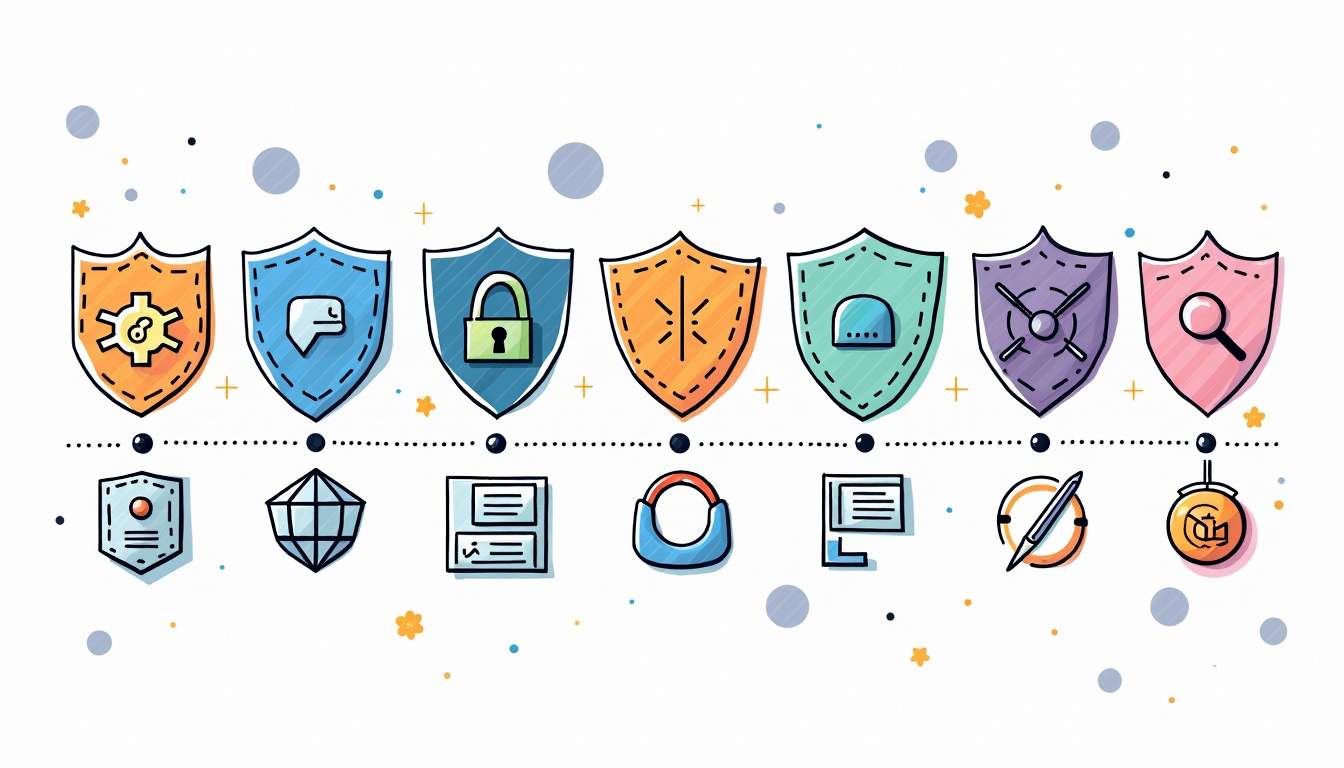
To build a secure CI/CD pipeline, organizations typically deploy a combination of tools across several key categories. Each category addresses different aspects of security, from code analysis to runtime protection.
1. Static Application Security Testing (SAST)
SAST tools analyze source code or binaries for security vulnerabilities without executing the program. They are essential for catching issues early in the development process, such as SQL injection, cross-site scripting, and insecure coding practices.
2. Dynamic Application Security Testing (DAST)
DAST tools test running applications by simulating attacks to identify vulnerabilities that manifest during execution. These tools complement SAST by uncovering runtime issues like authentication flaws and server misconfigurations.
3. Software Composition Analysis (SCA)
SCA tools scan third-party libraries and open-source components for known vulnerabilities, license compliance, and outdated dependencies. Given the widespread use of open-source software, SCA is critical for managing supply chain risks.
4. Container Security
With containerization becoming standard in modern DevOps, container security tools help scan container images for vulnerabilities, enforce runtime policies, and monitor container behavior to prevent attacks.
5. Infrastructure as Code (IaC) Security
IaC security tools analyze infrastructure definitions (e.g., Terraform, CloudFormation) to detect misconfigurations and compliance violations before deployment, ensuring secure cloud environments.
6. Continuous Compliance and Monitoring
These tools automate compliance checks against regulatory standards and provide real-time monitoring to detect and respond to security incidents within the CI/CD pipeline and production environments.
Top DevOps Security Tools to Consider
Below is a curated list of leading tools across the categories outlined above, chosen for their effectiveness, ease of integration, and ability to address common DevSecOps challenges.
SonarQube – Static Code Analysis
SonarQube is a widely adopted SAST tool that integrates seamlessly with CI/CD pipelines to provide continuous code quality and security analysis. It supports multiple programming languages and offers detailed vulnerability reports, enabling developers to fix issues early.
Its user-friendly dashboards and integration with popular build tools help reduce the technical complexity barrier, making it a favorite among SMEs and large enterprises alike.
OWASP ZAP – Dynamic Application Security Testing
The OWASP Zed Attack Proxy (ZAP) is an open-source DAST tool designed for finding security vulnerabilities in web applications during runtime. It offers automated scanning and manual testing capabilities, making it suitable for both security experts and developers.
Its integration with CI/CD pipelines enables continuous security testing without slowing down delivery, aligning well with the statistic that 84% of organizations find DevSecOps accelerates deployments.
Snyk – Software Composition Analysis
Snyk specializes in identifying vulnerabilities in open-source dependencies and container images. It provides actionable remediation advice and integrates with popular source code repositories, container registries, and CI/CD tools.
By automating vulnerability detection and patching, Snyk helps teams overcome resource constraints and technical complexity, two major adoption challenges highlighted in recent studies.
Aqua Security – Container and Cloud Native Security
Aqua Security delivers comprehensive container security solutions, including image scanning, runtime protection, and compliance enforcement. It supports Kubernetes and other orchestration platforms, making it ideal for modern cloud-native environments.
The platform’s ability to automate security policies and provide real-time threat detection helps organizations maintain secure container deployments without disrupting development velocity.
Checkov – Infrastructure as Code Security
Checkov is an open-source IaC scanning tool that detects misconfigurations in Terraform, CloudFormation, Kubernetes, and other IaC frameworks. It integrates into CI/CD pipelines to enforce security best practices before infrastructure provisioning.
By catching errors early, Checkov reduces the risk of costly cloud misconfigurations and supports compliance efforts, which is increasingly important as regulatory scrutiny intensifies.
Microsoft Azure DevOps Security Features
In Q2 2024, Microsoft enhanced its Azure DevOps suite with new DevSecOps capabilities, including automated security scanning and compliance tools. These features are designed to integrate natively with Azure pipelines, providing seamless security checks throughout the development lifecycle.
This development reflects the broader industry trend of embedding security directly into DevOps platforms, reducing friction and helping teams adopt security practices more easily.
Best Practices for Integrating Security Tools into Your CI/CD Pipeline
Choosing the right tools is only part of the equation. Successful DevSecOps adoption requires thoughtful integration and cultural alignment.
Automate Security Checks Early and Often
Incorporate security testing at every stage of the pipeline—from code commit to deployment. Automated scans triggered by pull requests or builds help detect vulnerabilities before they reach production.
Prioritize Developer-Friendly Tools
Tools that provide clear, actionable feedback and integrate with existing developer workflows encourage adoption and reduce resistance. Security should empower developers, not hinder them.
Foster a Security-First Culture
Encourage collaboration between development, operations, and security teams. Regular training and shared responsibility help overcome cultural barriers and embed security into daily practices.
Continuously Monitor and Improve
Security is an ongoing process. Use monitoring and analytics to identify trends, respond to incidents quickly, and refine your security posture over time.
Conclusion
The integration of security into DevOps is no longer optional but a necessity for organizations aiming to deliver high-quality software at speed. With 76% of organizations already embedding security into their DevOps workflows and the market for DevSecOps tools growing rapidly, the momentum behind secure CI/CD pipelines is undeniable.
By leveraging a combination of static and dynamic analysis, software composition analysis, container security, and infrastructure as code scanning tools, teams can address the multifaceted challenges of modern application security. Additionally, embracing automation and fostering a collaborative culture can help overcome common adoption barriers such as technical complexity and resource constraints.
Investing in the right DevSecOps tools and practices not only enhances security but also accelerates software delivery, enabling organizations to stay competitive in an increasingly digital world.

Leave a Reply