

Landing a role in AWS DevOps requires not only technical expertise but also a deep understanding of cloud infrastructure, automation, and best practices for continuous integration and delivery. As organizations increasingly adopt DevOps methodologies to accelerate software delivery and improve operational efficiency, preparing for AWS DevOps interviews has become more important than ever.
This article covers the essential AWS DevOps interview questions you need to master, along with insights into why these topics matter and how to approach your preparation effectively.
Understanding the Fundamentals of AWS DevOps
Before diving into specific interview questions, it’s crucial to have a solid grasp of the core concepts that underpin AWS DevOps roles. Interviewers often begin with foundational questions to assess your understanding of DevOps principles, AWS services, and how they integrate to support scalable, resilient systems.
What Is DevOps and Why Is It Important?
DevOps is a cultural and technical movement aimed at unifying software development (Dev) and IT operations (Ops). It emphasizes collaboration, automation, and continuous delivery to improve deployment frequency and reliability. According to recent research, adopting DevOps can lead to a 20% reduction in IT costs and a 40% improvement in developer productivity, highlighting its tangible benefits for organizations.
Understanding this context helps candidates articulate the business value of DevOps during interviews and demonstrate their awareness of industry trends. Furthermore, DevOps fosters a culture of shared responsibility, where teams work together towards common goals, breaking down silos that often hinder progress. This collaborative environment not only enhances communication but also encourages innovation, allowing teams to respond more swiftly to market changes and customer feedback.
Key AWS Services for DevOps
Interviewers expect candidates to be familiar with AWS services that facilitate DevOps practices. These include:
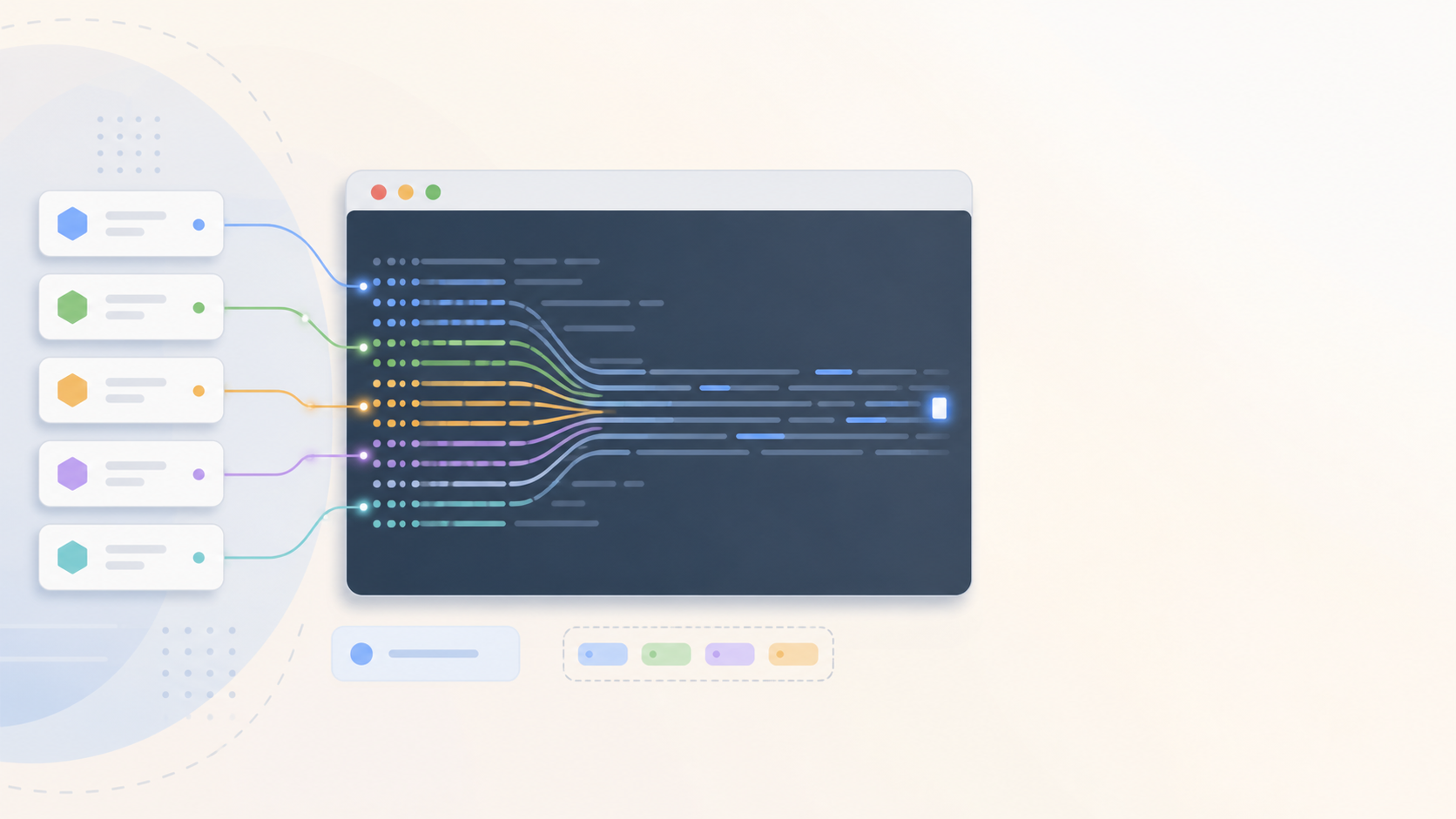
- AWS CodePipeline: For continuous integration and continuous delivery (CI/CD) automation.
- AWS CodeBuild: To compile source code and run tests.
- AWS CodeDeploy: For automated application deployments.
- AWS CloudFormation: Infrastructure as Code (IaC) tool to provision resources.
- AWS DevOps Guru: A relatively new service that enhances anomaly detection by grouping insights at the stack or account level, improving operational visibility.
Being able to explain how these services work together to streamline development and deployment cycles is fundamental for AWS DevOps interviews. Additionally, candidates should be prepared to discuss how these tools can be integrated with other AWS services, such as Amazon S3 for storage or Amazon EC2 for compute resources. This integration not only enhances the efficiency of the DevOps pipeline but also allows for more robust monitoring and logging through services like Amazon CloudWatch, which can provide real-time insights into application performance and operational health.
Moreover, understanding the security aspects of AWS DevOps is increasingly important. With services like AWS Identity and Access Management (IAM), candidates should be able to articulate how they can implement security best practices within the DevOps lifecycle, ensuring that the deployment processes are not only efficient but also secure. This knowledge can set candidates apart in interviews, showcasing their ability to balance speed and security in a cloud environment.
Common Technical AWS DevOps Interview Questions
Technical questions form the backbone of most AWS DevOps interviews. They test your hands-on knowledge and problem-solving skills related to cloud infrastructure, automation, and system design. As the demand for cloud computing continues to grow, so does the need for skilled professionals who can navigate the complexities of AWS services and DevOps methodologies. Candidates should be prepared not only to answer questions but also to demonstrate their understanding through practical examples and scenarios that reflect real-world challenges.

How Do You Design a Highly Available Architecture in AWS Across Multiple Regions?
This is a classic expert-level question that evaluates your ability to build resilient systems. High availability in AWS often involves:
- Using multiple Availability Zones (AZs) within regions to ensure redundancy.
- Leveraging services like Amazon Route 53 for DNS failover and latency-based routing.
- Implementing cross-region replication for databases and storage, such as Amazon RDS Multi-AZ or S3 Cross-Region Replication.
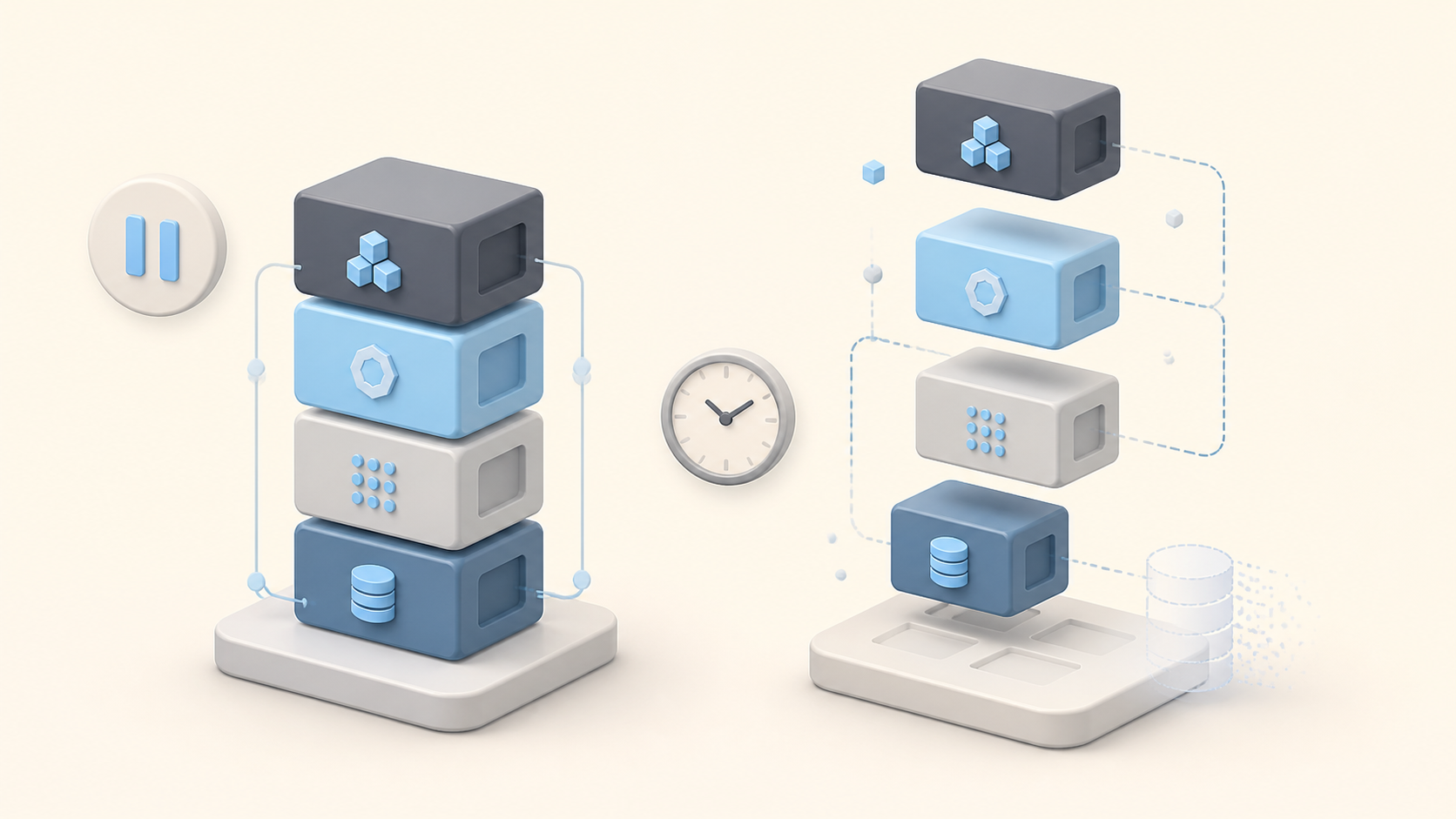
- Designing stateless application architectures to facilitate scaling and failover.
Interviewees should also discuss monitoring and automated recovery mechanisms to minimize downtime. Furthermore, it’s essential to consider the implications of network latency and data transfer costs when designing cross-region architectures. Discussing the use of AWS Global Accelerator can also showcase your knowledge of optimizing application performance by routing traffic to the nearest healthy endpoint. Additionally, candidates might mention the importance of disaster recovery planning and how to implement backup solutions that ensure data integrity and availability in the event of a failure.
What Are the Best Practices for Implementing CI/CD Pipelines on AWS?
Continuous Integration and Continuous Delivery (CI/CD) are at the heart of DevOps. Key best practices include:
- Automating builds and tests using AWS CodeBuild or third-party tools integrated with AWS.
- Defining pipeline stages clearly: source, build, test, deploy, and approval.
- Incorporating automated testing to catch issues early.
- Using Infrastructure as Code (IaC) to provision and manage environments consistently.
- Implementing rollback strategies for failed deployments.
Demonstrating familiarity with these practices shows your ability to maintain reliable and repeatable delivery processes. Additionally, candidates should consider discussing the integration of security practices within the CI/CD pipeline, often referred to as DevSecOps. This includes automated security testing and compliance checks to ensure that security vulnerabilities are identified and addressed early in the development process. Moreover, leveraging AWS services like AWS CodePipeline for orchestrating the CI/CD workflow and AWS CloudTrail for monitoring changes can further illustrate a comprehensive understanding of effective CI/CD implementations.
Explain Infrastructure as Code (IaC) and Its Role in AWS DevOps
Infrastructure as Code is a key DevOps practice that involves managing infrastructure through machine-readable definition files rather than manual processes. AWS CloudFormation and Terraform are popular IaC tools.
Interviewers want to hear about how IaC:
- Enables version control and repeatability of infrastructure setups.
- Facilitates automated provisioning and scaling.
- Reduces configuration drift and manual errors.
Providing examples of how you have used IaC to deploy complex environments can set you apart. It’s also beneficial to discuss the concept of modularization in IaC, where you break down infrastructure into reusable components or modules, making it easier to manage and update. Additionally, candidates should highlight the importance of testing infrastructure code using tools like AWS CloudFormation Guard or Terraform’s plan command to validate configurations before deployment. This proactive approach not only enhances reliability but also fosters a culture of accountability and collaboration among development and operations teams.
Behavioral and Situational Questions in AWS DevOps Interviews
Beyond technical skills, AWS DevOps roles require effective communication, problem-solving, and adaptability. Interviewers often pose behavioral questions to gauge these competencies.
How Do You Handle a Failed Deployment in Production?
This question assesses your incident response and troubleshooting skills. A strong answer might include:
- Immediate rollback to the last stable version using automated deployment tools.
- Analyzing logs and monitoring data to identify the root cause.
- Communicating transparently with stakeholders about the issue and resolution steps.
- Implementing preventive measures to avoid recurrence.
Emphasizing a calm, methodical approach demonstrates professionalism and reliability.
Describe a Time You Improved a DevOps Process
Interviewers want to hear about your initiative and impact. Discussing how you introduced automation, optimized pipeline efficiency, or enhanced monitoring can illustrate your value. Quantifying improvements, such as reducing deployment times or decreasing failure rates, strengthens your response.
Emerging Trends and Advanced Topics to Know
Staying current with the latest developments in AWS DevOps can give you an edge in interviews. Here are some areas gaining traction:
Serverless Technologies
Nearly half of businesses have adopted serverless technologies to reduce operational expenses and speed up deployments. AWS Lambda, API Gateway, and DynamoDB are key serverless services you should understand. Interviewers may ask about designing serverless applications or integrating them into CI/CD workflows.
DevOps and Microservices Integration
Microservices architecture complements DevOps by enabling rapid delivery and independent scaling of application components. A recent study highlights how combining DevOps with microservices improves delivery speed and reduces operational burdens. Be prepared to discuss challenges like service orchestration, monitoring, and deployment strategies in microservices environments.
Advanced Monitoring with AWS DevOps Guru
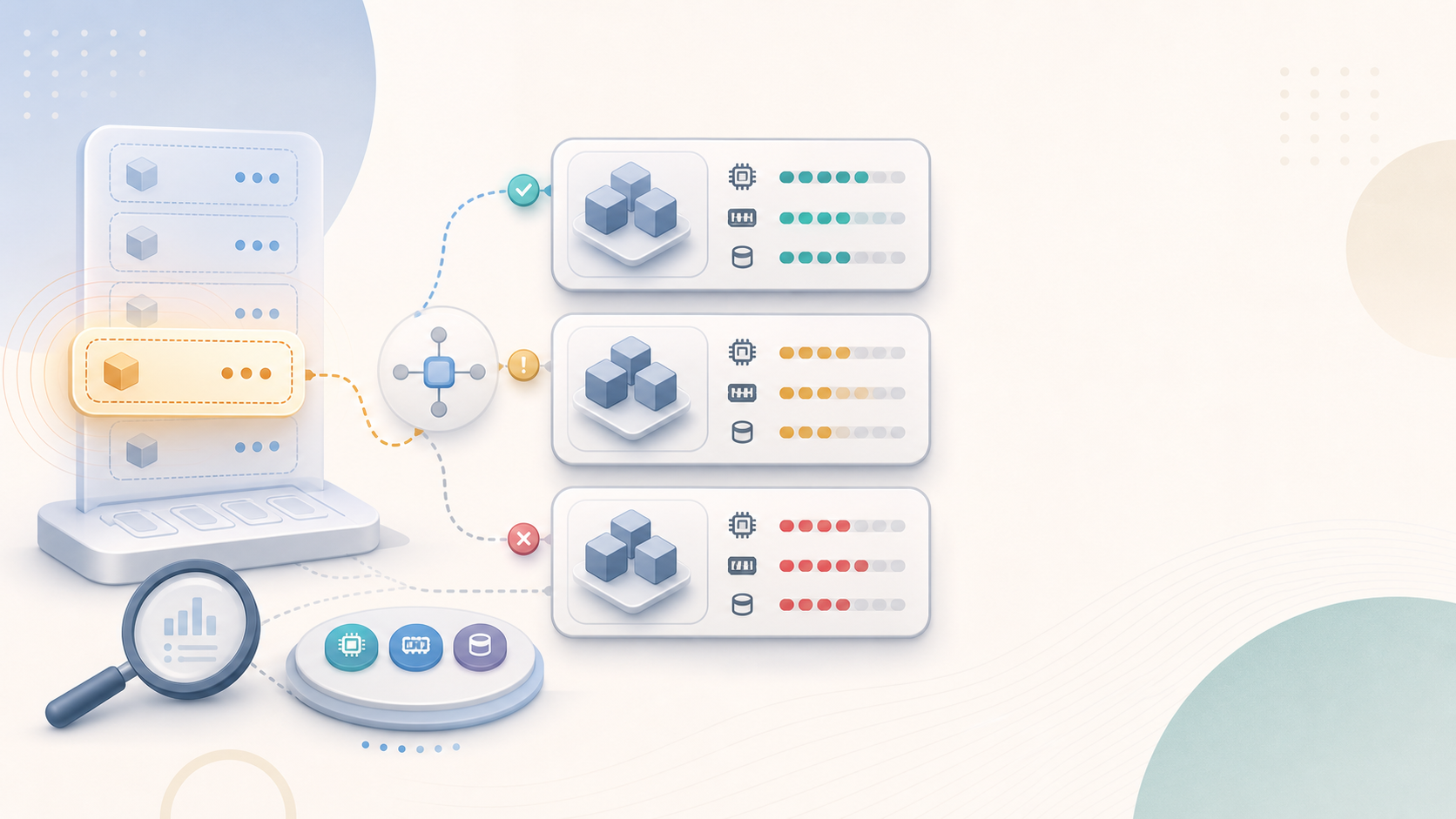
AWS DevOps Guru is an AI-powered service that helps detect anomalies and operational issues. Its ability to group insights at the stack or account level enhances incident management. Familiarity with such tools shows your capability to leverage automation and AI for proactive operations.
Preparing Effectively for Your AWS DevOps Interview
Success in AWS DevOps interviews depends on thorough preparation that balances technical knowledge, practical experience, and soft skills.
Research the Company and Role
Understanding the company’s technology stack, DevOps maturity, and business objectives helps tailor your responses. Research whether they emphasize serverless, containerization, or multi-region architectures.
Brush Up on Core Concepts
Review key AWS DevOps topics such as CI/CD pipelines, Infrastructure as Code, container orchestration (e.g., Kubernetes or AWS ECS), and security best practices. Our guide to top DevOps skills for 2026 offers a handy checklist. Practice explaining these concepts clearly and concisely.
Practice Common Interview Questions
Anticipate technical, behavioral, and scenario-based questions. Use mock interviews or coding challenges to build confidence. Remember to structure your answers using frameworks like STAR (Situation, Task, Action, Result) for behavioral responses.
Conclusion
Preparing for an AWS DevOps interview requires a comprehensive understanding of both the technical landscape and the soft skills that drive successful collaboration and problem-solving. By mastering foundational concepts, staying informed about emerging trends like serverless and AI-driven monitoring, and practicing thoughtful responses to behavioral questions, candidates can significantly boost their chances of success.
Remember, the adoption of DevOps practices not only streamlines software delivery but also offers measurable benefits such as a 20% reduction in IT costs and a 40% increase in developer productivity. Demonstrating how your skills align with these outcomes will resonate strongly with interviewers. Curious about compensation? Check out our breakdown of AWS DevOps engineer salary expectations.
With diligent preparation and a clear grasp of AWS DevOps principles, you’ll be well-equipped to navigate your interview and advance your career in this dynamic field.

Leave a Reply