


In today’s digital landscape, delivering content quickly and reliably to users around the globe is paramount. Businesses and developers alike face increasing demands for speed, scalability, and security in content delivery. Microsoft Azure Content Delivery Network (CDN) stands out as a powerful solution designed to meet these challenges, enabling organizations to optimize content delivery and enhance user experience.
Understanding Azure CDN and Its Role in Content Delivery
Azure CDN is a distributed network of servers strategically placed across various geographic locations. Its primary function is to cache and deliver web content—such as images, videos, scripts, and other static assets—closer to end-users. By reducing the physical distance between the server and the user, Azure CDN significantly decreases latency and accelerates page load times. This is particularly beneficial for businesses with a global audience, as it ensures that users in different regions experience consistent performance, regardless of where the content is hosted.
Beyond speed, Azure CDN also offers benefits such as improved availability, scalability during traffic spikes, and enhanced security features including DDoS protection and SSL/TLS encryption. These capabilities make it an essential component for businesses aiming to provide seamless digital experiences. Furthermore, Azure CDN’s analytics tools allow organizations to monitor traffic patterns and user behavior, enabling them to make informed decisions about content strategy and resource allocation. By leveraging these insights, businesses can optimize their content delivery and enhance user engagement.
How Azure CDN Enhances Performance
When a user requests content, Azure CDN routes the request to the nearest edge server. If the content is cached there, it is delivered immediately, bypassing the need to fetch it from the origin server. This process reduces bandwidth consumption and server load, resulting in faster response times. Additionally, Azure CDN supports dynamic site acceleration, which optimizes delivery of non-cacheable content, further improving overall performance. This is especially crucial for applications that rely on real-time data, such as e-commerce platforms and online gaming, where delays can lead to a poor user experience and lost revenue.
Global Reach and Integration
Azure CDN boasts a vast global presence with edge nodes in numerous countries, ensuring content is delivered efficiently regardless of user location. Moreover, it integrates seamlessly with other Azure services such as Azure Blob Storage, Azure Web Apps, and Azure Media Services, providing a unified platform for managing and delivering content. This integration allows developers to streamline their workflows, as they can utilize Azure’s robust set of tools for storage, compute, and analytics, all while ensuring that content is delivered quickly and securely. Additionally, the CDN can be configured to work with third-party services, offering flexibility for businesses that may already have existing infrastructure or content management systems in place.
Strategic Migration: Moving from Azure CDN Standard (Classic) to Modern Tiers
As technology evolves, so do the tools and services offered by cloud providers. Microsoft has announced the retirement of Azure CDN Standard from Microsoft (classic) on September 30, 2027. This transition encourages users to migrate to the more advanced Azure Front Door Standard or Premium tiers, which offer enhanced features and better performance.

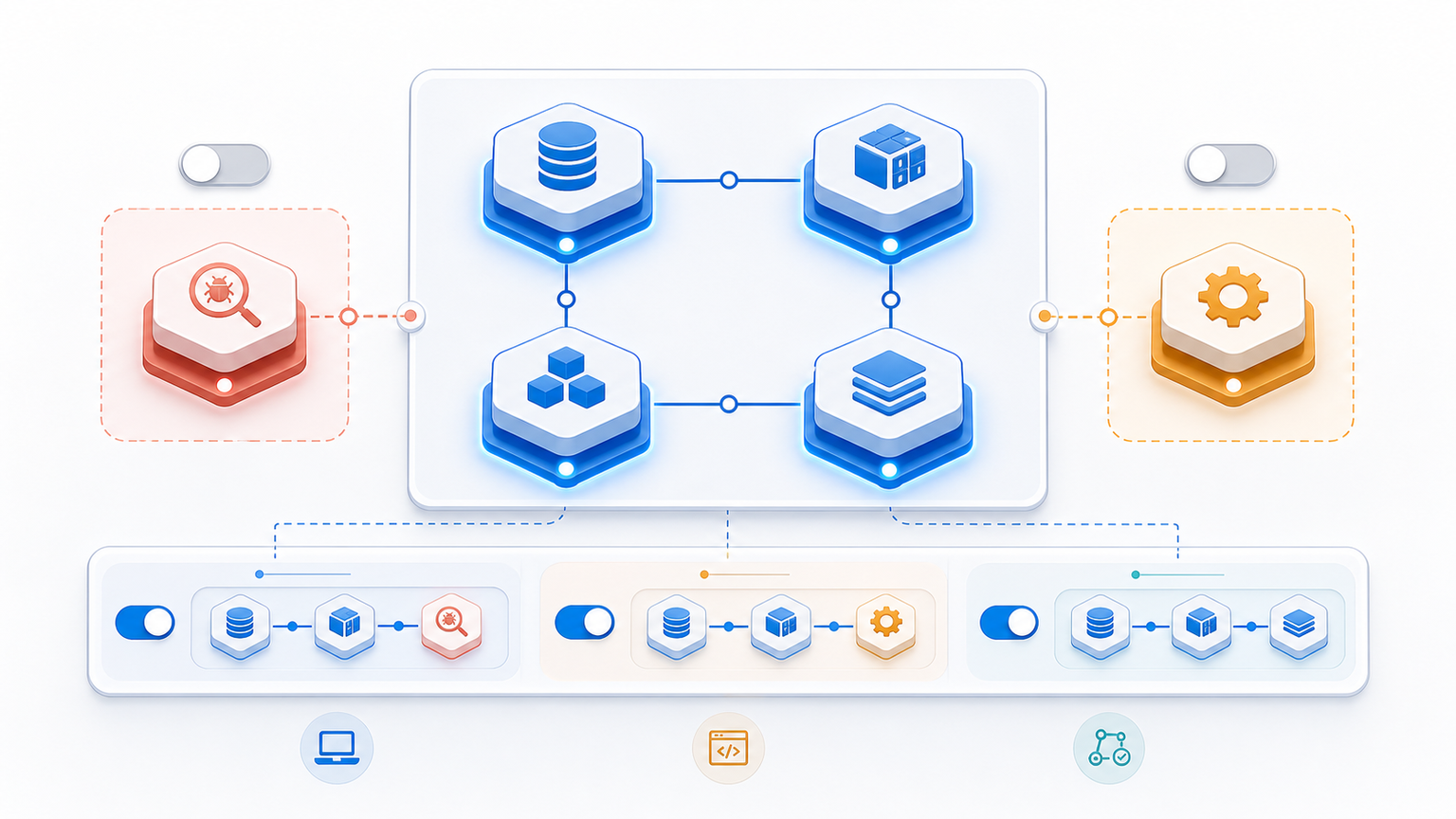
The newer Azure Front Door tiers provide improved routing capabilities, integrated security features, and more granular control over traffic management. Migrating to these tiers not only future-proofs content delivery strategies but also unlocks additional benefits such as Web Application Firewall (WAF) integration and real-time analytics. These enhancements allow organizations to not only deliver content faster but also to secure their applications against a variety of threats, ensuring that user data remains protected throughout the delivery process.
Planning a Smooth Migration
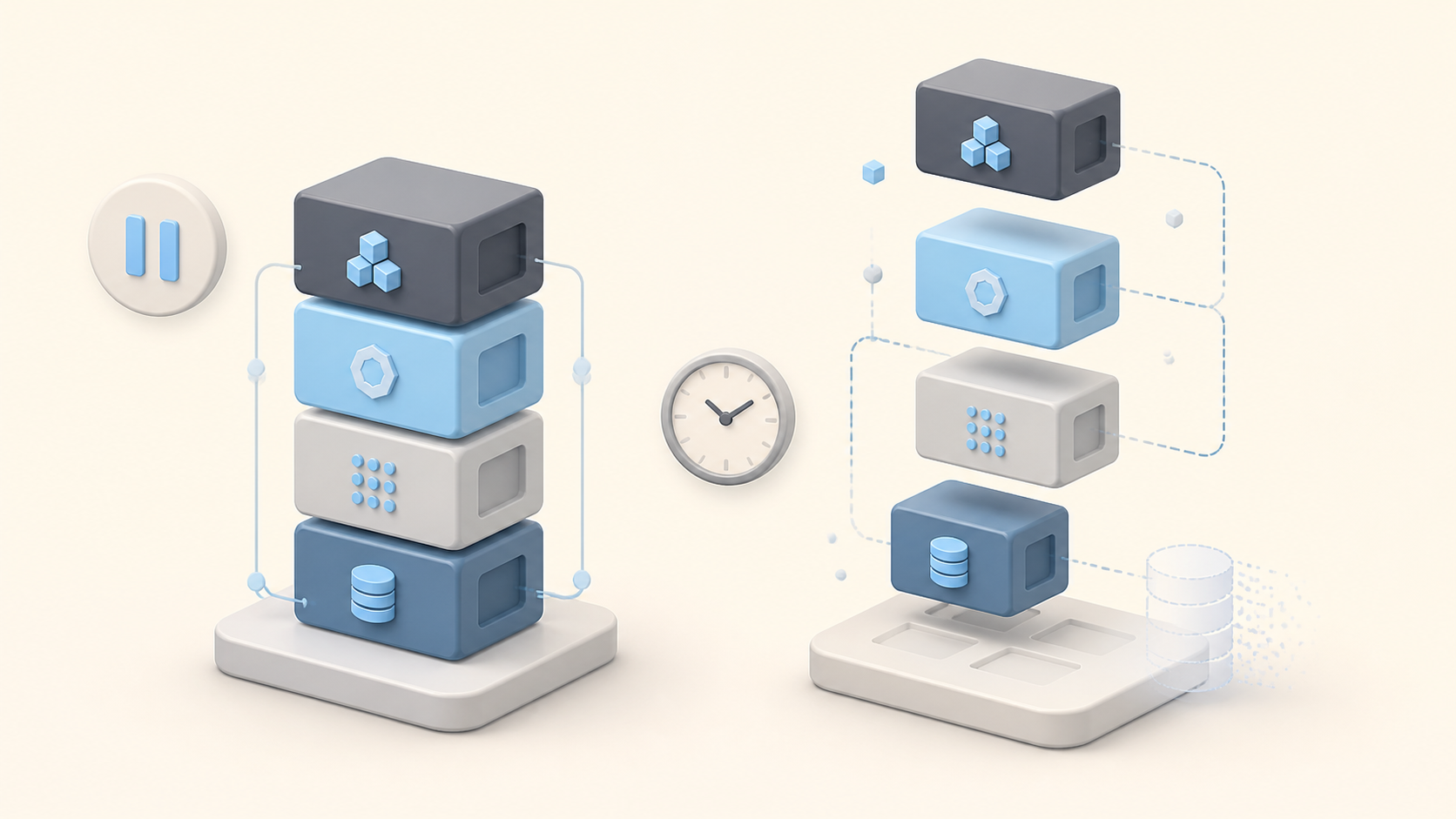
To ensure a seamless transition, organizations should begin assessing their current CDN configurations and workloads. Microsoft provides detailed migration guides and tools to assist in this process, minimizing downtime and preserving user experience. Early migration also allows teams to leverage new features and optimize their content delivery pipelines ahead of the retirement deadline. Additionally, organizations should consider conducting thorough testing in a staging environment to identify any potential issues before going live with the new setup. This proactive approach can help mitigate risks and ensure that the migration aligns with business objectives.
Moreover, it is crucial to engage stakeholders across various departments, including IT, security, and business operations, to create a comprehensive migration strategy. By fostering collaboration, organizations can better understand the specific needs of their applications and users, tailoring the migration process to address these requirements effectively. Training sessions and workshops can also be beneficial, equipping teams with the knowledge and skills necessary to navigate the new features and capabilities of Azure Front Door. This collaborative and informed approach will not only facilitate a smoother transition but also empower teams to fully utilize the advanced functionalities available in the modern CDN landscape.
Leveraging Azure Monitor for Proactive CDN Management
Effective content delivery requires continuous monitoring and optimization. Azure Monitor is a comprehensive solution that provides deep insights into the performance and health of Azure services, including Azure CDN. By implementing automated telemetry through Azure Monitor, organizations can achieve up to a 40% increase in operational efficiency for cloud-based monitoring solutions.

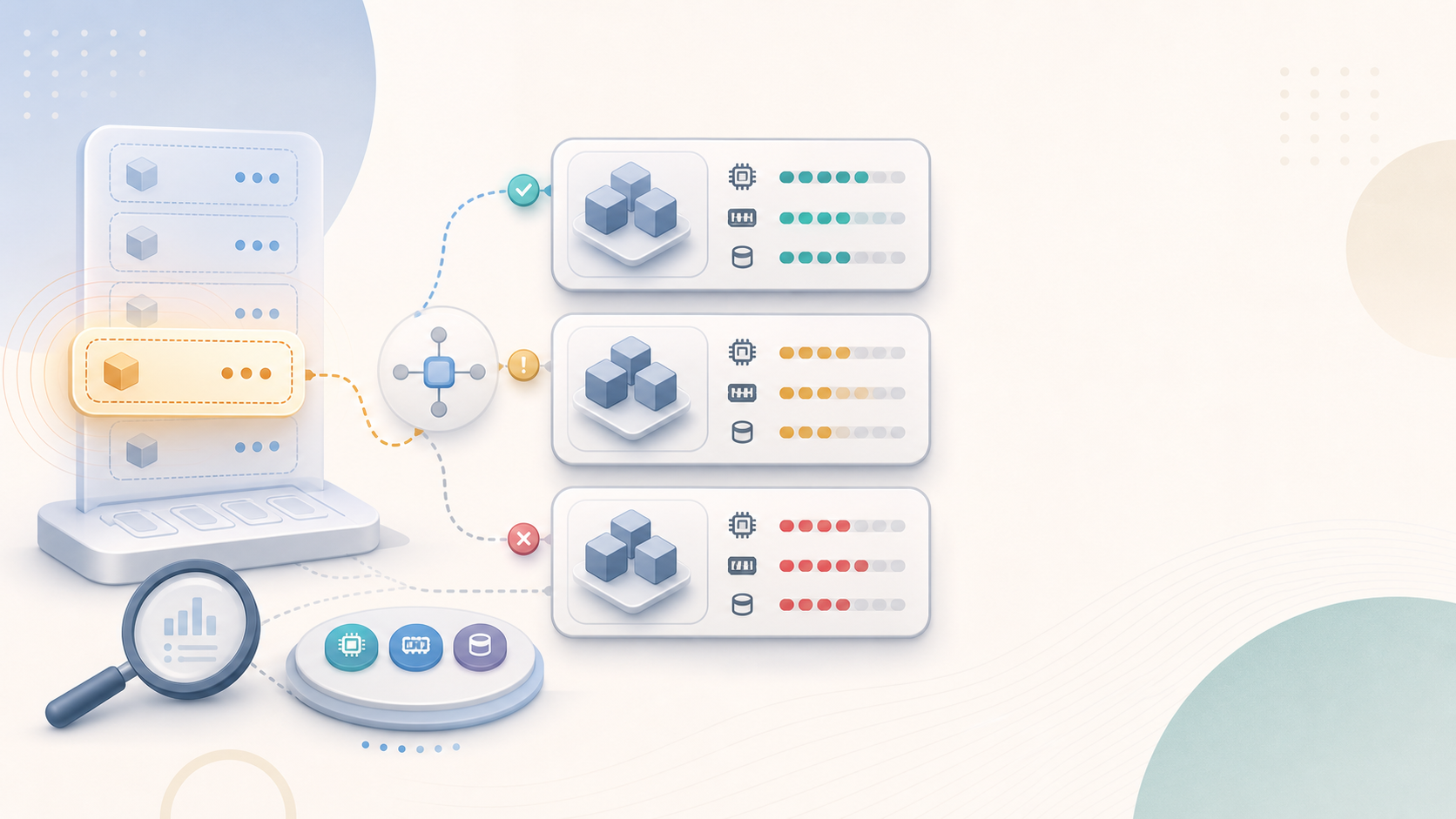
Azure Monitor collects metrics, logs, and diagnostics data, enabling teams to detect anomalies, troubleshoot issues, and optimize resource utilization in real time. To see how Azure Monitor compares with other cloud-native monitoring platforms, read our CloudWatch vs Azure Monitor comparison. This proactive approach reduces the risk of unplanned outages and performance degradation. Additionally, the integration of Azure Monitor with other Azure services allows for a more holistic view of the infrastructure, ensuring that all components of the content delivery network are functioning optimally and in sync with one another.
Reducing Downtime and Enhancing Reliability
Studies have shown that utilizing Azure Monitor can reduce unplanned outages by 73% and lower the overall impact of downtime by 77%. For content delivery networks, where availability and speed are critical, these improvements translate into better user satisfaction and increased business continuity. Furthermore, the ability to analyze historical data helps organizations identify patterns and trends, enabling them to make informed decisions about scaling and resource allocation, ultimately leading to a more resilient CDN architecture.
Integrating Alerts and Automation
Azure Monitor supports customizable alerts and automated responses, allowing teams to react swiftly to potential issues. For example, if an edge server experiences unusual latency or errors, automated workflows can trigger scaling actions or failover mechanisms, maintaining optimal content delivery without manual intervention. This level of automation not only saves time but also minimizes human error, ensuring that the CDN operates smoothly even during peak traffic periods. Additionally, teams can configure alerts to notify them of specific thresholds, empowering them to take preemptive measures before issues escalate into more significant problems.
Moreover, the integration of Azure Monitor with Azure Logic Apps and Azure Functions allows for sophisticated workflows that can automate complex processes. For instance, if a certain threshold of error rates is detected, a Logic App could automatically initiate a series of corrective actions, such as rerouting traffic to healthier nodes or notifying the development team for further investigation. This seamless integration enhances the overall agility of the CDN management process, ensuring that organizations can adapt to changing conditions in real-time and maintain a competitive edge in the fast-paced digital landscape.
Maximizing Performance with Azure’s Expansive Cloud Ecosystem
Azure CDN is part of Microsoft’s broader cloud ecosystem, which has seen significant investment and growth. In fiscal year 2024, Microsoft’s capital expenditures reached $55.7 billion—a 75% increase from the previous year—highlighting the company’s commitment to expanding cloud and AI services. This investment ensures that Azure’s infrastructure remains cutting-edge, scalable, and secure.
Azure’s dominance in high-performance database workloads, offering over 17,000 unique configurations as of mid-2024, further demonstrates the platform’s versatility and strength. This extensive configurability supports complex applications that rely on fast, reliable data access, complementing the benefits of Azure CDN for content delivery.
Artificial Intelligence and Content Delivery
Artificial intelligence (AI) services accounted for approximately 9% of Azure’s revenue in Q4 2024, reflecting rapid growth in this sector. Integrating AI with content delivery can unlock new possibilities, such as personalized content recommendations, intelligent caching strategies, and predictive analytics to anticipate traffic patterns.
By leveraging Azure’s AI capabilities alongside CDN services, businesses can create smarter, more adaptive content delivery solutions that respond dynamically to user behavior and network conditions.
Best Practices for Optimizing Azure CDN Usage
To fully harness the power of Azure CDN, organizations should adopt several best practices that enhance performance, security, and manageability.
1. Choose the Right CDN Tier
Select the Azure CDN tier that aligns with your application’s needs. While the Standard tier provides essential caching and delivery features, the Premium and Azure Front Door tiers offer advanced routing, security, and analytics capabilities. Evaluating workload requirements and future growth plans will guide optimal tier selection.
2. Implement Efficient Caching Policies
Configure caching rules thoughtfully to balance freshness and performance. Use cache-control headers to define content expiration and leverage Azure CDN’s rules engine to customize caching behavior based on content type, query strings, or device type.
3. Secure Content Delivery
Enable HTTPS across all CDN endpoints to protect data in transit. Utilize Azure Front Door’s Web Application Firewall and DDoS protection features to safeguard against common web threats. Regularly review security configurations to adapt to emerging risks.
4. Monitor and Analyze Performance
Continuously track CDN metrics using Azure Monitor and Azure CDN analytics. Identify trends, detect anomalies, and optimize configurations to maintain high performance and availability. Automated alerts and dashboards can streamline this process.
5. Plan for Scalability and Failover
Design your CDN architecture to handle traffic surges and regional outages gracefully. Use multiple CDN endpoints, failover routing, and geo-filtering to ensure uninterrupted content delivery even during unexpected events.
Conclusion
Optimizing content delivery is crucial for businesses seeking to provide fast, reliable, and secure digital experiences. Azure CDN offers a robust, globally distributed platform that accelerates content delivery while integrating seamlessly with Azure’s extensive cloud services. With Microsoft’s ongoing investments and innovations, including the transition to Azure Front Door and the incorporation of AI-driven insights, organizations have powerful tools at their disposal to enhance performance.

By adopting best practices, leveraging Azure Monitor for proactive management, and planning strategic migrations ahead of service retirements, businesses can maximize the benefits of Azure CDN. This approach not only improves user satisfaction but also supports scalable growth in an increasingly digital world.
For organizations looking to stay ahead in content delivery optimization, Azure CDN represents a compelling choice backed by cutting-edge technology and continuous innovation.



Leave a Reply