


In the rapidly evolving world of software development and deployment, two technologies have emerged as pivotal players: Jenkins and Kubernetes. Both are essential tools in modern DevOps pipelines, yet they serve fundamentally different purposes. Understanding when and how to use Jenkins versus Kubernetes can significantly enhance software delivery, scalability, and operational efficiency.
Understanding Jenkins and Kubernetes: Core Concepts
What is Jenkins?
Jenkins is a widely adopted open-source automation server primarily used for continuous integration and continuous delivery (CI/CD). It automates the building, testing, and deployment of software, enabling teams to deliver code changes more frequently and reliably. Jenkins Pipeline, a feature of Jenkins, allows users to define complex workflows as code, streamlining the software delivery process.
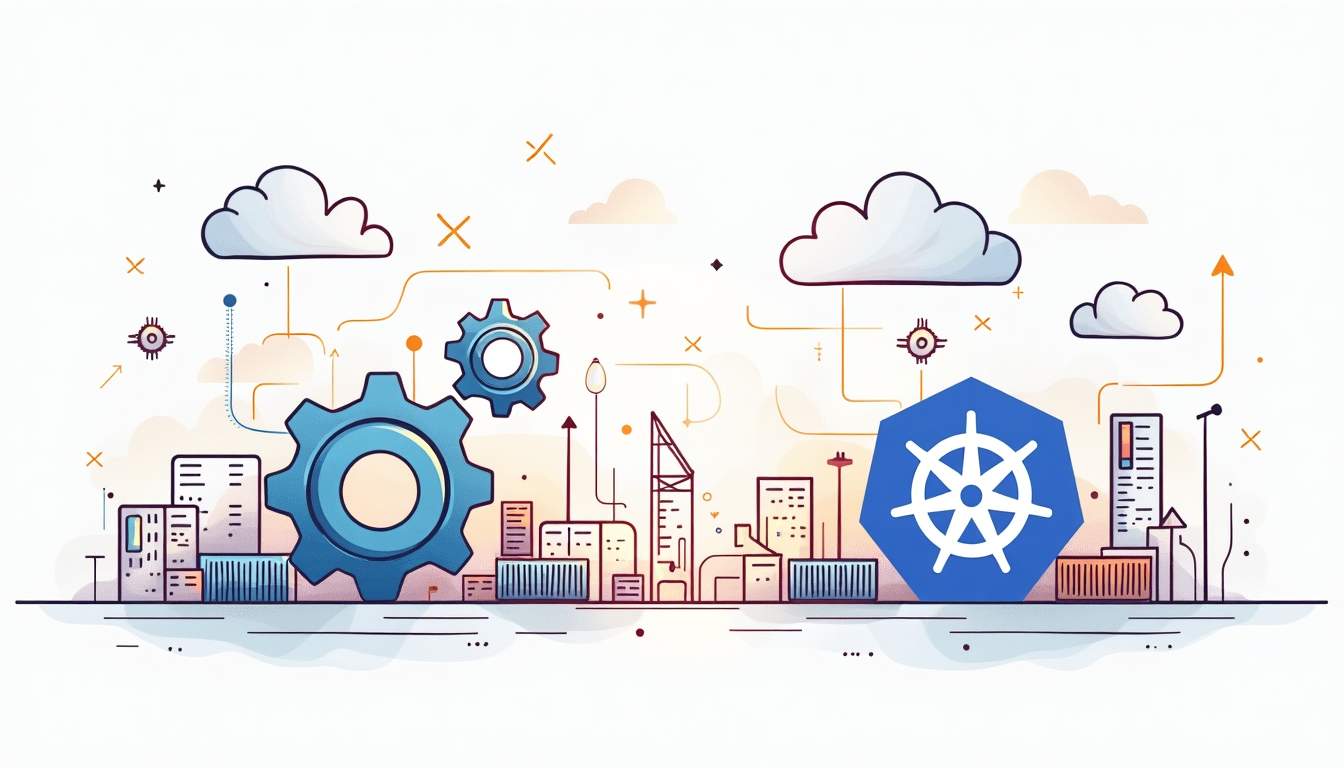
According to recent data, Jenkins Pipeline usage has grown by 79% between June 2021 and June 2023, rising from over 27 million jobs per month to nearly 49 million. This surge highlights Jenkins’s critical role in accelerating software delivery across enterprises. The flexibility of Jenkins is further enhanced by its vast ecosystem of plugins, which allows integration with numerous tools and services, ranging from version control systems like Git to cloud service providers such as AWS and Azure. This extensibility makes Jenkins a preferred choice for organizations looking to tailor their CI/CD processes to specific needs.
Moreover, Jenkins supports various programming languages and platforms, making it a versatile tool for diverse development environments. Teams can easily implement automated testing strategies, ensuring that code quality is maintained throughout the development lifecycle. The Jenkins community is also robust, providing extensive documentation, forums, and user-contributed plugins that help users troubleshoot issues and enhance their CI/CD pipelines.
What is Kubernetes?
Kubernetes, often abbreviated as K8s, is an open-source container orchestration platform designed to automate the deployment, scaling, and management of containerized applications. It provides a framework to run distributed systems resiliently, handling scaling and failover for applications while offering deployment patterns and service discovery.
Container technology adoption is booming, with 84% of organizations using or planning to use containers in production environments as of 2023. Kubernetes dominates this space, with 83% of respondents in the Cloud Native Computing Foundation’s 2023 survey reporting its use for container management. The architecture of Kubernetes is built around a master-slave model, where the master node manages the cluster and the worker nodes run the containerized applications. This design allows for efficient resource utilization and high availability, making it easier for teams to manage large-scale applications.
Additionally, Kubernetes supports a range of features such as automatic scaling, rolling updates, and self-healing capabilities, which significantly reduce downtime and improve the overall reliability of applications. The platform also integrates seamlessly with various cloud providers, allowing organizations to deploy applications in hybrid or multi-cloud environments. As companies increasingly adopt microservices architectures, Kubernetes has become essential for managing the complexities associated with deploying and orchestrating numerous interconnected services, thus enabling faster and more agile development cycles.
Jenkins and Kubernetes: Complementary, Not Competing
Different Roles in the DevOps Ecosystem
While Jenkins and Kubernetes are often mentioned together in DevOps conversations, they fulfill distinct roles. Jenkins focuses on automating the software build and delivery pipeline—compiling code, running tests, and deploying applications. Kubernetes, on the other hand, manages the runtime environment where these applications operate, ensuring they run reliably and scale efficiently.

For example, Jenkins can be used to build Docker container images and push them to a registry. Kubernetes then pulls these images to deploy and manage the containers across a cluster of machines. This synergy allows teams to automate the entire software lifecycle from code commit to production deployment. Furthermore, the combination of these tools not only enhances the deployment process but also fosters a culture of continuous integration and continuous deployment (CI/CD), which is essential for modern software development practices.
Why Use Jenkins with Kubernetes?
Integrating Jenkins with Kubernetes offers powerful benefits. Jenkins pipelines can be configured to run jobs inside Kubernetes pods, enabling scalable and isolated build environments. This approach leverages Kubernetes’s orchestration capabilities to provision resources dynamically, improving build efficiency and reducing infrastructure costs.
Moreover, Jenkins’s flexibility in defining pipelines combined with Kubernetes’s robust container management helps organizations achieve faster feature velocity and higher quality releases. Gerard McMahon, Head of ALM Tools and Platforms at Fidelity Investments, notes that Jenkins Pipeline substantially improves software delivery by reducing risks and driving end-to-end quality and efficiency. The ability to spin up ephemeral environments for testing and development further enhances collaboration among teams, allowing developers to experiment without affecting the main production environment. This not only accelerates the development cycle but also encourages innovation, as teams can quickly iterate on features and fixes in a safe and controlled manner.
Additionally, the integration of Jenkins with Kubernetes facilitates better resource utilization. By leveraging Kubernetes’ auto-scaling capabilities, Jenkins can dynamically allocate resources based on the workload, ensuring that builds and deployments are executed efficiently without over-provisioning. This not only optimizes operational costs but also enhances the overall performance of the CI/CD pipeline, allowing organizations to respond swiftly to market demands and customer feedback. As a result, teams can maintain a competitive edge in an increasingly fast-paced digital landscape.
When to Use Jenkins: Automating Your CI/CD Pipeline
Streamlining Software Builds and Tests
Jenkins excels at automating repetitive tasks involved in software development. It supports a vast ecosystem of plugins, enabling integration with numerous tools and services. Whether compiling code, running unit tests, or performing static code analysis, Jenkins orchestrates these steps seamlessly. This automation not only saves time but also reduces the likelihood of human error, allowing developers to focus on writing high-quality code rather than managing tedious processes.
The growth in Jenkins jobs—up 45% from June 2021 to June 2023—reflects its increasing importance in automating complex build and test workflows. Organizations looking to improve their software delivery pipelines should consider Jenkins for its flexibility and community support. Moreover, Jenkins provides a robust dashboard that offers real-time feedback on build statuses, enabling teams to quickly identify and address issues as they arise. This visibility into the build process fosters a culture of accountability and encourages continuous improvement among development teams.
Managing Complex Deployment Workflows
Beyond builds and tests, Jenkins Pipelines allow defining sophisticated deployment strategies, including blue-green deployments, canary releases, and rolling updates. These capabilities help minimize downtime and reduce deployment risks. By utilizing these advanced deployment techniques, organizations can ensure that new features are rolled out gradually, allowing for quick rollbacks if any issues are detected in the production environment.
By scripting deployment logic, teams gain better control and visibility over the delivery process, making Jenkins indispensable for continuous delivery initiatives. Additionally, Jenkins supports integration with various monitoring tools, enabling teams to track application performance and user feedback post-deployment. This feedback loop is crucial for iterative development, as it allows teams to adapt and refine their applications based on real-world usage, ultimately leading to a more resilient and user-friendly product.
When to Use Kubernetes: Orchestrating Containerized Applications
Scaling and Managing Containers in Production
Kubernetes shines in managing containerized applications at scale. It automates the distribution of containers across a cluster, monitors their health, and handles failover automatically. This orchestration ensures applications remain available and responsive even under heavy load or infrastructure failures.
With Kubernetes usage growing by 235% between 2017 and 2018 and continuing to dominate container management today, it’s clear that Kubernetes is the go-to platform for running modern cloud-native applications.
Enabling Cloud-Native Architectures
Kubernetes supports microservices architectures by facilitating service discovery, load balancing, and configuration management. It also integrates with service meshes and monitoring tools, providing a comprehensive platform for cloud-native development.
Organizations adopting Kubernetes benefit from improved agility and resilience, essential qualities in today’s fast-paced software landscape.
Choosing the Right Tool for Your Needs
Consider Your Workflow and Objectives
Choosing between Jenkins and Kubernetes—or deciding how to combine them—depends on your project requirements and organizational goals. If your primary focus is automating builds, tests, and deployments, Jenkins is the natural choice. For managing the runtime environment of containerized applications, Kubernetes is indispensable.
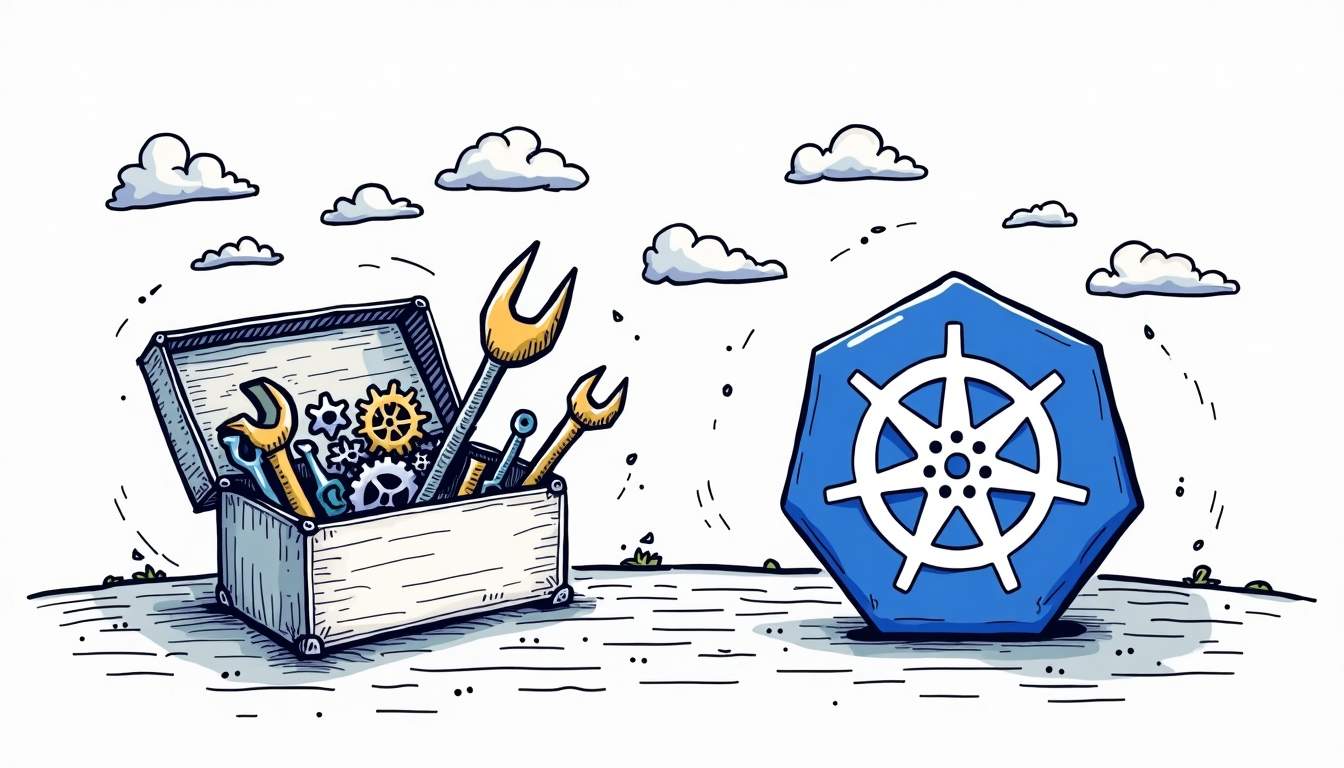
Many organizations find that leveraging both tools together delivers the best results, automating the entire software lifecycle from code commit to production scaling.
Leverage Container Technology for Scalability
The rise of containers has transformed software delivery, and both Jenkins and Kubernetes play critical roles in this ecosystem. With 65% of DevOps practitioners already using container technology as of 2018—and adoption only increasing—it’s vital to integrate container strategies into your CI/CD pipelines.
Jenkins pipelines can be container-aware, building and testing container images, while Kubernetes ensures these containers run efficiently in production. This combination supports scalable, reliable, and repeatable deployments.
Business Impact: Driving Growth with Jenkins and Kubernetes
Accelerating Software Delivery
The adoption of Jenkins and Kubernetes has a measurable impact on business outcomes. Jenkins Pipeline’s growth by 79% in usage underscores its role in speeding up software delivery, enabling organizations to respond faster to market demands.
Furthermore, companies embracing DevOps practices, including automation and container orchestration, report 21% higher revenue growth, according to the 2023 State of DevOps report. This correlation highlights the strategic value of investing in these technologies.
Enhancing Quality and Efficiency
Automating workflows with Jenkins reduces human error and enforces consistent processes, improving software quality. Kubernetes’s self-healing capabilities ensure application uptime and performance, contributing to a superior end-user experience.
Together, they empower teams to deliver features faster while maintaining high standards, a crucial advantage in competitive markets.
Conclusion: Harnessing the Power of Jenkins and Kubernetes
Jenkins and Kubernetes are foundational technologies in modern software development and operations. While Jenkins automates the CI/CD pipeline, Kubernetes orchestrates the deployment and scaling of containerized applications. Understanding their distinct roles and how they complement each other enables organizations to build robust, scalable, and efficient software delivery systems.
By integrating Jenkins pipelines with Kubernetes clusters, teams can achieve faster delivery cycles, improved quality, and greater operational resilience. As container adoption continues to rise and DevOps practices mature, mastering both Jenkins and Kubernetes will remain essential for organizations aiming to thrive in the digital age.

Leave a Reply