


Continuous Integration and Continuous Deployment (CI/CD) have become essential pillars in modern software development, enabling teams to deliver high-quality software rapidly and reliably. As organizations increasingly adopt DevOps practices, proficiency in CI/CD concepts and tools is a must-have skill for developers, engineers, and DevOps professionals.
Whether you’re preparing for a technical interview or aiming to deepen your understanding of CI/CD, this article covers the most important questions you need to know. Alongside practical insights, it highlights key industry statistics and expert opinions to help you grasp why CI/CD is vital in today’s software delivery landscape.
Understanding the Basics of CI/CD
What is CI/CD and why is it important?
CI/CD stands for Continuous Integration and Continuous Deployment (or Delivery). Continuous Integration refers to the practice of automatically merging code changes from multiple contributors into a shared repository frequently, often several times a day. Continuous Deployment automates the release of these integrated changes to production or staging environments.
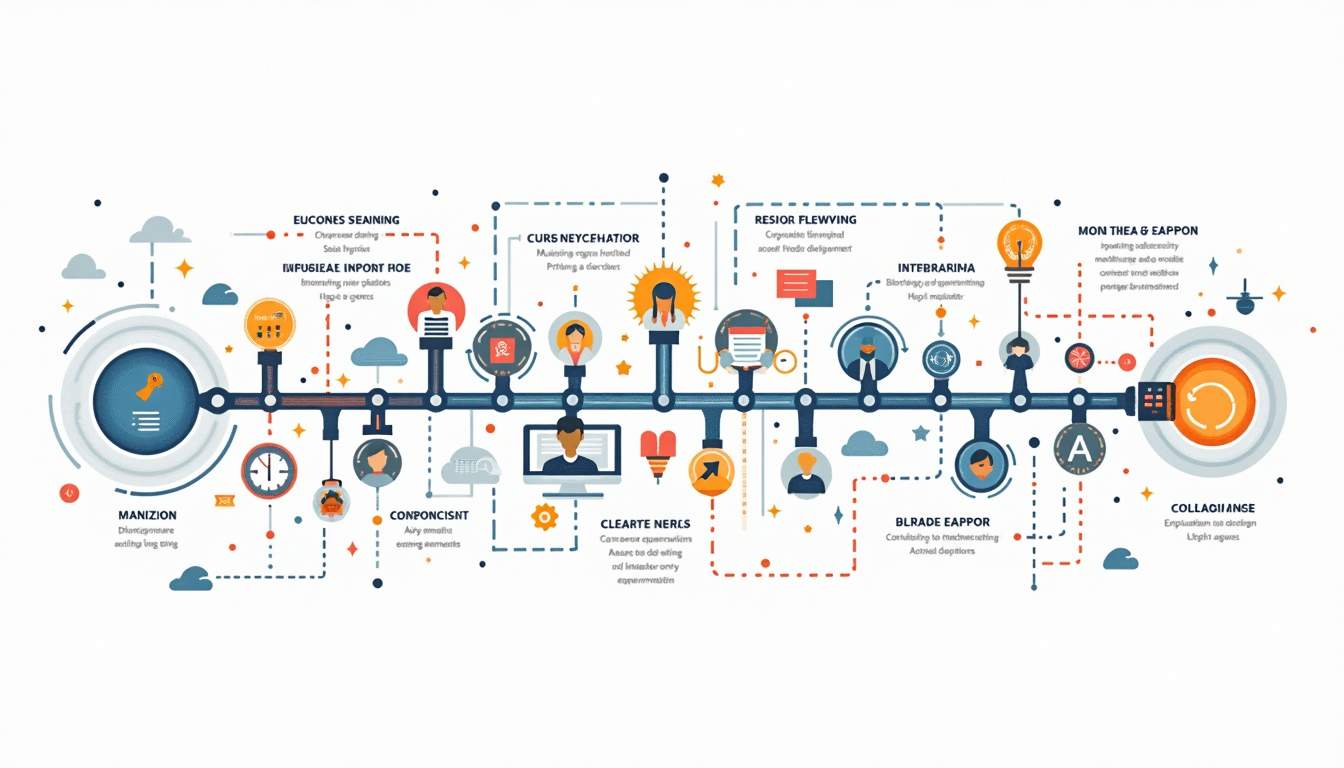
This approach reduces integration issues, accelerates feedback loops, and enables teams to deliver software updates faster and more reliably. According to the 2024 State of DevOps Report, organizations with structured CI/CD pipelines can reduce release times by up to 50%, making software delivery significantly more efficient. Furthermore, the implementation of CI/CD allows teams to focus more on developing features and fixing bugs rather than spending excessive time on manual integration processes, which can often lead to errors and delays. The automated nature of CI/CD not only enhances productivity but also fosters a culture of collaboration and accountability among team members.
How do CI and CD differ?
Continuous Integration focuses on the automated building and testing of code changes to detect problems early. Continuous Delivery extends this process by ensuring that code changes are always in a deployable state, allowing for manual or automated release to production. Continuous Deployment takes it a step further by automating the entire release process without human intervention.
Understanding these distinctions is crucial, as many organizations may implement CI and CD differently based on their maturity and risk tolerance. For instance, a startup may opt for Continuous Deployment to quickly iterate on features and respond to user feedback, while a larger enterprise might prioritize Continuous Delivery to maintain a higher level of control over production releases. Additionally, the choice between these methodologies often hinges on the complexity of the application and the regulatory requirements that may dictate more stringent testing and approval processes before deployment. This nuanced understanding helps teams tailor their CI/CD practices to align with their specific operational goals and industry standards.
Key Components and Tools in CI/CD Pipelines
What are the essential stages of a CI/CD pipeline?
A typical CI/CD pipeline includes several stages:
- Source Code Management: Developers commit code to a version control system like Git.
- Build: The code is compiled and packaged.
- Automated Testing: Unit, integration, and sometimes end-to-end tests run to validate the build.
- Deployment: The validated build is deployed to staging or production environments.
- Monitoring and Feedback: Post-deployment monitoring ensures performance and stability.
Each stage is automated to reduce manual errors and accelerate delivery. This automation not only enhances efficiency but also fosters a culture of continuous improvement among development teams. By integrating feedback loops at various stages, teams can quickly identify issues and address them before they escalate, ensuring a smoother development process and a more robust final product.
Which tools are commonly used for implementing CI/CD?
Popular CI/CD tools include Jenkins, GitLab CI, CircleCI, Travis CI, and Azure DevOps. These platforms offer automation capabilities for building, testing, and deploying applications. Additionally, container orchestration tools like Kubernetes and infrastructure-as-code tools such as Terraform often integrate with CI/CD pipelines to streamline deployment and environment management. The choice of tools can significantly impact the efficiency of the pipeline, as some tools are better suited for specific environments or programming languages. For example, Jenkins is highly customizable and supports a vast array of plugins, making it a favorite for complex workflows, while GitLab CI offers seamless integration with Git repositories, simplifying the setup for teams already using GitLab for version control.
Moreover, the integration of monitoring tools like Prometheus and Grafana into CI/CD pipelines allows teams to visualize application performance in real-time. This proactive approach to monitoring can lead to quicker identification of bottlenecks or failures, enabling teams to respond promptly and maintain high service availability. As the landscape of software development continues to evolve, the tools and practices surrounding CI/CD are also advancing, with an increasing focus on security and compliance, leading to the emergence of DevSecOps practices that incorporate security checks throughout the pipeline.
Advanced Concepts and Best Practices
How does automation impact deployment frequency and failure rates?
Automation is at the heart of effective CI/CD pipelines. Research from MoldStud highlights that teams employing deployment automation can achieve deployment frequencies 40 times higher, with lead times to changes reduced by 96%. Moreover, organizations with high-performing integration processes deploy changes 30 times more frequently and experience 60% fewer failures, according to the DevOps Research and Assessment (DORA).
These figures underscore how automation not only speeds up delivery but also enhances software quality and stability. By minimizing human error, automation ensures that each deployment is consistent and reliable, which is crucial in today’s fast-paced development environments. Additionally, the ability to roll back changes quickly in the event of a failure allows teams to maintain high availability and user satisfaction, further emphasizing the importance of automation in modern software development practices.
What role does automated validation play in CI/CD?
Automated validation, including comprehensive testing and quality checks, is critical for maintaining pipeline integrity. MoldStud Research indicates that companies integrating automated validation into their CI/CD pipelines see a 50% increase in deployment frequency. This improvement happens because automated validation reduces manual bottlenecks and catches defects early, preventing costly production issues.
Furthermore, automated validation encompasses a variety of testing strategies, such as unit tests, integration tests, and end-to-end tests, ensuring that every aspect of the application is thoroughly examined before deployment. This multi-faceted approach not only enhances the reliability of the software but also fosters a culture of quality within development teams. As a result, teams can focus more on innovation and feature development, knowing that their automated validation processes will catch potential issues before they escalate.
Why is security integration important in CI/CD pipelines?
Security must be embedded early in the CI pipeline rather than waiting until deployment. Savinder Puri, a DevOps Evangelist at Zensar Technologies, emphasizes that “CD is already too late for security—you’ve already deployed the application into an environment.” Integrating security scans, vulnerability assessments, and compliance checks during the CI phase helps identify and mitigate risks proactively, reducing the likelihood of security incidents post-deployment.
Moreover, the integration of security practices, often referred to as DevSecOps, not only protects the application but also builds trust with stakeholders and customers. By ensuring that security measures are part of the development lifecycle, organizations can demonstrate their commitment to safeguarding user data and maintaining compliance with industry regulations. This proactive stance on security can lead to a competitive advantage, as customers increasingly prioritize security in their purchasing decisions.
CI/CD in the Era of AI and Machine Learning
How are AI and ML transforming CI/CD pipelines?
The integration of Artificial Intelligence (AI) and Machine Learning (ML) into CI/CD is revolutionizing how organizations manage software delivery. Dheeraj Nayal, Global Community Ambassador at the DevOps Institute, notes that AI and ML enable teams to move away from siloed operations management by providing intelligent insights, driving automation, and enhancing collaboration.
For example, AI-driven analytics can predict build failures, optimize test coverage, and automate decision-making processes within the pipeline, leading to more efficient and resilient software delivery.
Testing and Environment Management
Why is testing across multiple environments important?
Testing in diverse environments helps uncover issues that might not appear in a single setting. MoldStud Research found that companies testing on at least five different environments report a 35% decrease in production errors. This practice ensures that software behaves consistently across various configurations, operating systems, and hardware setups.
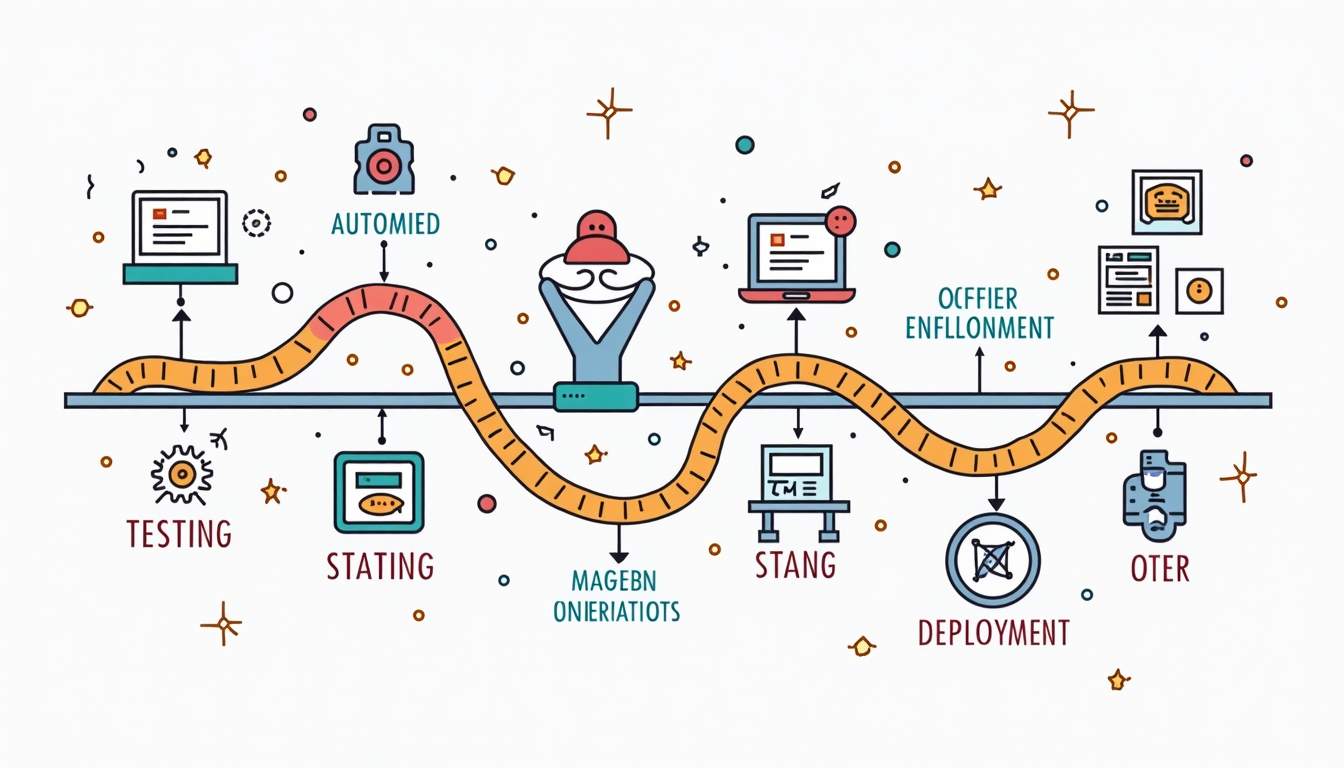
Implementing environment parity—making staging and production as similar as possible—also minimizes surprises during deployment.
What are some common challenges in CI/CD and how can they be addressed?
Common challenges include managing pipeline complexity, ensuring test reliability, and integrating security effectively. Addressing these requires:
- Pipeline Optimization: Continuously refining pipeline stages to eliminate bottlenecks.
- Robust Testing: Investing in automated and comprehensive test suites.
- Security Integration: Embedding security checks early in the pipeline.
- Collaboration: Encouraging cross-team communication to align development, operations, and security goals.
Preparing for Your CI/CD Interview
What types of questions should you expect?
Interviewers typically assess both conceptual understanding and practical experience. Expect questions such as:
- Explain the CI/CD process and its benefits.
- Describe a CI/CD pipeline you have implemented or worked with.
- How do you handle failures in the pipeline?
- What tools and technologies have you used for CI/CD?
- How do you integrate security into your CI/CD workflow?
- Can you explain the role of automated testing in CI/CD?
- How would you optimize a slow or unreliable pipeline?
How to demonstrate your expertise effectively?
Use real-world examples from your experience to illustrate your knowledge. Highlight measurable improvements you contributed to, such as increased deployment frequency or reduced failure rates. Referencing industry best practices and recent trends, such as AI integration or security-first approaches, can also showcase your up-to-date expertise.
Conclusion
Mastering CI/CD concepts is essential for anyone involved in modern software development and operations. Understanding the fundamentals, tools, and best practices, along with awareness of emerging trends like AI-driven automation and integrated security, will prepare you to excel in interviews and in your career.

Remember, organizations that implement high-performing CI/CD pipelines not only accelerate their software delivery but also achieve higher reliability and security. Preparing for these interview questions with a focus on practical knowledge and industry insights will give you a strong advantage. If you are targeting DevOps-specific roles, explore our DevOps CI/CD interview questions for deeper coverage.

Leave a Reply