


As the DevOps landscape continues to evolve rapidly, Python remains a cornerstone technology for automation, integration, and orchestration. Its simplicity, versatility, and rich ecosystem make it an indispensable tool for DevOps professionals aiming to streamline workflows and enhance productivity. Whether you are preparing for an interview or looking to deepen your understanding of Python’s role in DevOps, this comprehensive guide covers the most relevant questions and answers for 2026.
Why Python is Essential in DevOps
Before diving into specific interview questions, it’s important to understand why Python is so widely adopted in DevOps environments. Python’s simplicity and readability reduce the learning curve, enabling teams to write clear and maintainable automation scripts. Additionally, its extensive standard library and third-party modules allow seamless integration with popular DevOps tools and cloud platforms.

Python’s dynamic typing and support for rapid prototyping accelerate development cycles, which is crucial in fast-paced DevOps workflows. Moreover, Python’s compatibility with containerization and orchestration technologies like Docker and Kubernetes further enhances its utility in managing complex infrastructure. The ability to spin up containers quickly and manage them with Python scripts allows teams to focus on building and deploying applications rather than getting bogged down in configuration issues.
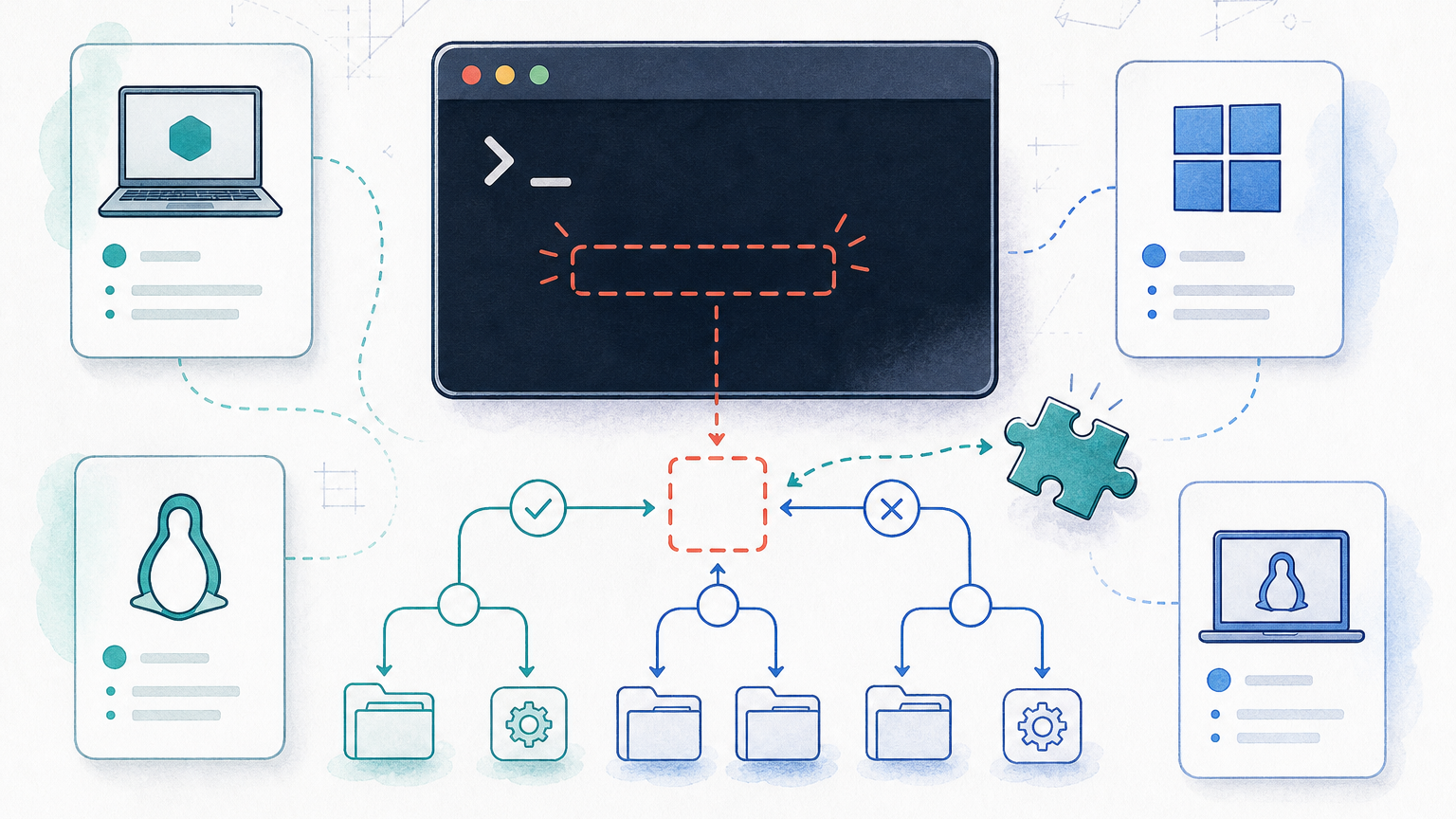
Furthermore, Python’s cross-platform capabilities mean that scripts can run on various operating systems without modification, making it an invaluable asset for teams that operate in diverse environments. This flexibility is particularly beneficial in cloud-native architectures, where applications may need to be deployed across multiple cloud providers or hybrid environments.
What Makes Python Ideal for DevOps Automation?
Python’s extensive libraries simplify tasks such as configuration management, infrastructure automation, and testing. For example, tools like Ansible use Python under the hood to automate provisioning and deployment. Python scripts can also be embedded into CI/CD pipelines using Jenkins, GitLab CI/CD, or Travis CI, automating build, test, and deployment processes efficiently.
Furthermore, Python’s support for functional programming constructs—such as lambda functions, map(), filter(), and list comprehensions—enables writing concise and stateless code, which is beneficial for creating scalable and maintainable automation scripts. This allows DevOps engineers to write code that is not only efficient but also easier to test and debug, leading to more robust automation solutions. Additionally, the vast community support and wealth of resources available for Python mean that teams can quickly find solutions to common challenges, share best practices, and leverage existing frameworks to enhance their automation efforts.
Moreover, Python’s integration with machine learning libraries such as TensorFlow and PyTorch opens up new possibilities for predictive analytics in DevOps. By incorporating machine learning models into the automation process, teams can proactively identify potential issues in their infrastructure and applications before they escalate, thereby improving reliability and performance. This proactive approach aligns perfectly with the DevOps philosophy of continuous improvement and rapid iteration, making Python an even more attractive choice for teams looking to innovate and optimize their workflows.
“`html
Common Python DevOps Interview Questions and Detailed Answers
1. How does Python facilitate automation in DevOps?
Python’s simplicity and extensive libraries make it ideal for scripting automation tasks. It integrates easily with configuration management tools, testing frameworks, and infrastructure automation platforms. This allows DevOps engineers to automate repetitive tasks such as environment setup, application deployment, and monitoring, improving efficiency and reducing human error.

Moreover, the Python ecosystem is rich with frameworks like Ansible and SaltStack, which leverage Python for configuration management and orchestration. These tools enable teams to define infrastructure as code, allowing for version control and collaborative development of infrastructure setups, thus enhancing transparency and traceability in the deployment process.
2. What are Python virtual environments and why are they important in DevOps?
Python virtual environments allow developers to create isolated spaces for project dependencies. This prevents conflicts between packages required by different projects and ensures consistency across development, testing, and production environments. In DevOps workflows, this isolation is critical for maintaining stable and reproducible deployments.
Using tools like venv or virtualenv, teams can manage dependencies effectively, avoiding the “it works on my machine” problem that often plagues software delivery. Furthermore, virtual environments support the use of different Python versions, which is essential when working with legacy applications or when specific projects require distinct Python environments to function correctly.
3. How can Python be integrated into CI/CD pipelines?
Python scripts can automate various stages of the CI/CD process, including code compilation, automated testing, packaging, and deployment. DevOps engineers often use Python in conjunction with CI/CD tools like Jenkins, Travis CI, or GitLab CI/CD to create pipelines that automatically build and test code upon each commit.
For example, Python’s testing frameworks such as unittest and pytest allow integration of robust test suites into the pipeline, ensuring code quality before deployment. Python scripts can also manage deployment workflows by interacting with cloud APIs or container orchestration platforms. Additionally, the use of Python for generating dynamic reports on build status and test results can provide teams with valuable insights into the health of their codebase, fostering a culture of continuous improvement.
4. What are some Python features that enhance DevOps scripting?
Python’s dynamic typing allows rapid development and prototyping, which is essential in DevOps where requirements can change quickly. Its extensive standard library provides modules for file handling, networking, threading, and more, reducing the need for external dependencies.
Additionally, Python supports functional programming paradigms, such as lambda expressions and list comprehensions, enabling concise and efficient code. These features help DevOps engineers write scripts that are both readable and performant. Furthermore, Python’s ability to handle exceptions gracefully allows for robust error handling in scripts, making it easier to debug and maintain automation workflows, which is crucial in high-stakes production environments.
5. How does Python support testing in DevOps pipelines?
Testing is a critical component of DevOps to ensure reliability and quality. Python offers powerful testing frameworks like unittest and pytest, which facilitate the creation of automated test suites. These frameworks support unit tests, integration tests, and even behavior-driven development (BDD) with plugins.
Integrating these tests into CI/CD pipelines helps catch bugs early and maintain code stability. Python’s testing tools also generate detailed reports and support test coverage analysis, aiding continuous improvement. Moreover, the ability to mock dependencies in tests allows for more isolated and focused testing, which is invaluable for ensuring that each component of the application behaves as expected in various scenarios.
6. How is Python used with cloud platforms in DevOps?
Python’s compatibility with major cloud providers such as AWS, Azure, and Google Cloud makes it a powerful tool for managing cloud infrastructure. Python SDKs and APIs allow DevOps engineers to automate provisioning, configuration, and scaling of cloud resources programmatically.
This seamless integration enhances automation capabilities, enabling infrastructure as code (IaC) practices and dynamic resource management, which are fundamental to modern DevOps strategies. Additionally, Python’s libraries, such as Boto3 for AWS, provide a high-level interface for interacting with cloud services, making it easier to implement complex workflows like automated backups, resource monitoring, and cost management directly from Python scripts.
7. What role does Python play in containerization and orchestration?
Containerization technologies like Docker and orchestration platforms such as Kubernetes are integral to DevOps for packaging and managing applications. Python supports these technologies through libraries and command-line tools that enable automation of container lifecycle management.
DevOps engineers use Python scripts to build, deploy, and monitor containers, as well as to automate scaling and recovery tasks within Kubernetes clusters. This integration streamlines operations and improves system resilience. Furthermore, Python can be utilized to create custom operators and controllers in Kubernetes, allowing teams to extend the platform’s functionality and tailor it to their specific operational needs, thereby enhancing the overall efficiency and effectiveness of their DevOps practices.
“`
Advanced Python Concepts for DevOps Professionals
Leveraging Python for Infrastructure as Code (IaC)
Infrastructure as Code is a key DevOps practice that involves managing infrastructure through code rather than manual processes. Python plays a significant role here by enabling the creation of scripts and modules that define and provision infrastructure components.
Tools like Ansible, which is Python-based, allow writing declarative playbooks to automate configuration management. Additionally, Python scripts can interact with cloud provider APIs to automate resource creation, updates, and teardown, ensuring environments are reproducible and version-controlled.
Using Python for Monitoring and Logging Automation
Monitoring system health and application performance is vital in DevOps. Python’s versatility allows engineers to develop custom monitoring scripts that collect metrics, analyze logs, and trigger alerts.
By integrating with monitoring tools such as Prometheus or ELK Stack, Python scripts can automate data collection and processing, providing real-time insights and enabling proactive issue resolution.
Python’s Role in Security Automation
Security is increasingly important in DevOps pipelines. Python supports automating security tasks such as vulnerability scanning, compliance checks, and secret management. Libraries exist for interacting with security tools and APIs, allowing DevOps teams to embed security checks directly into CI/CD workflows.
Preparing for Your Python DevOps Interview
When preparing for a Python DevOps interview, focus on demonstrating both your programming skills and your understanding of how Python integrates with DevOps tools and practices. Be ready to discuss real-world scenarios where you automated tasks, managed dependencies, or enhanced pipeline efficiency using Python.
Practical knowledge of Python virtual environments, testing frameworks, cloud SDKs, and container orchestration will set you apart. Additionally, familiarity with functional programming concepts in Python can showcase your ability to write efficient and maintainable code.
Sample Interview Question: Explain how you would use Python to automate a deployment pipeline.
An effective answer might include using Python scripts to pull the latest code from a repository, run automated tests with pytest, build Docker containers, push them to a container registry, and deploy to a Kubernetes cluster using Python client libraries. Emphasize error handling, logging, and integration with CI/CD tools like Jenkins or GitLab CI/CD.
Sample Interview Question: How do Python virtual environments help in managing DevOps projects?
Explain that virtual environments isolate project-specific dependencies, preventing conflicts and ensuring consistency across different stages of the software lifecycle. This isolation is crucial in DevOps to maintain stable builds and deployments, especially when multiple projects or teams share infrastructure.
Conclusion
Python’s role in DevOps continues to grow as automation, cloud integration, and container orchestration become more sophisticated. Its readability, extensive libraries, and compatibility with key DevOps tools make it an essential skill for professionals in this field.

By mastering Python scripting, virtual environments, testing frameworks, and cloud APIs, DevOps engineers can significantly improve the efficiency and reliability of their workflows. Preparing for interviews with a focus on these areas will not only help candidates succeed but also empower them to contribute effectively to modern DevOps teams.

Leave a Reply