


As the DevOps landscape evolves rapidly, preparing for senior-level interviews requires not only technical expertise but also a deep understanding of the latest trends, tools, and organizational practices. In 2026, companies are looking beyond just coding skills—they want engineers who can automate, scale, and secure complex infrastructure stacks spanning multiple clouds and systems. This comprehensive guide covers the most relevant senior DevOps interview questions and answers, helping you demonstrate your readiness for the challenges and expectations of modern DevOps roles.
Understanding the Core Principles of DevOps
What are the key principles of DevOps, and why is culture so important?
DevOps is built around the CAMS model: Culture, Automation, Measurement, and Sharing. Among these, culture stands out as the most critical principle for sustainable DevOps implementation. A strong DevOps culture fosters collaboration between development and operations teams, encourages continuous learning, and supports shared responsibility for software delivery and infrastructure management.

Without a healthy culture, even the best tools and automation pipelines may fail to deliver value. Organizations with a mature DevOps culture experience faster delivery cycles, improved quality, and reduced operational burdens. Additionally, a positive culture promotes psychological safety, allowing team members to voice concerns, suggest improvements, and innovate without fear of repercussions. This openness not only enhances team morale but also leads to more creative solutions to complex problems, ultimately driving the organization forward.
How does version control fit into the DevOps workflow?
Version control is fundamental in DevOps, extending beyond just managing source code. It applies to infrastructure configurations, deployment scripts, and even documentation. By versioning everything, teams maintain a single source of truth, enable traceability, and facilitate rollbacks when necessary. This practice supports continuous integration and continuous delivery (CI/CD) pipelines, ensuring that every change is tracked and auditable.
Moreover, effective version control practices enable teams to experiment and iterate rapidly. For instance, feature branches allow developers to work on new functionalities without disrupting the main codebase, while pull requests foster peer review and collaborative feedback. This not only enhances code quality but also promotes knowledge sharing among team members, as they engage in discussions about the changes being proposed. As a result, version control becomes a vital enabler of agility and responsiveness within the DevOps framework, allowing organizations to adapt quickly to market demands and technological advancements.
Tools and Technologies: What Senior DevOps Engineers Must Know
Which categories of tools are most prevalent in DevOps today?
According to recent research, the category of Cloud & CI/CD Tools dominates the DevOps landscape, covering nearly half of all topics in relevant datasets. This reflects the industry’s focus on automating build, test, and deployment processes across cloud environments. Infrastructure as Code (IaC) tools also play a significant role, accounting for a substantial portion of DevOps discussions.
Senior engineers should be proficient with popular CI/CD platforms like Jenkins, GitLab CI, CircleCI, or GitHub Actions, as well as cloud providers such as AWS, Azure, or Google Cloud. Familiarity with IaC tools like Terraform, Ansible, or CloudFormation is equally important for managing infrastructure declaratively and reproducibly. Additionally, container orchestration tools like Kubernetes and Docker have become indispensable in modern DevOps practices, allowing teams to manage applications in a microservices architecture efficiently. The ability to deploy and scale applications seamlessly across various environments is a game-changer, making it crucial for senior DevOps engineers to master these technologies.
How does CI/CD reduce errors and improve software delivery?
Continuous Integration and Continuous Delivery pipelines automate the process of building, testing, and deploying code changes. This automation reduces human error by minimizing manual interventions and ensures that releases are consistent and repeatable. As one expert insight puts it, “CI/CD reduces human error and makes releases boring, which is a good thing.”
By integrating automated testing and deployment, teams can detect issues early, accelerate release cycles, and maintain high software quality, all of which are essential for meeting the demands of fast-paced development environments. Furthermore, the implementation of CI/CD practices fosters a culture of collaboration and transparency among team members, as everyone has access to the same automated processes and results. This shared understanding not only enhances communication but also empowers developers to take ownership of their code, leading to a more engaged and motivated workforce. As organizations continue to embrace DevOps methodologies, the importance of CI/CD in driving efficiency and reliability cannot be overstated.
Challenges and Benefits of DevOps and Microservices Adoption
What are the main benefits of adopting DevOps and microservices?
Adoption of DevOps practices combined with microservices architecture offers several advantages. Companies report faster delivery times, enhanced team capabilities, and reduced operational burdens. Microservices allow for modular development and deployment, enabling teams to iterate independently and scale components as needed.

These benefits contribute to improved agility and responsiveness to market needs, making organizations more competitive in a rapidly changing technological landscape. Furthermore, the microservices approach fosters innovation by allowing teams to experiment with new technologies and frameworks without disrupting the entire system. This not only accelerates the development cycle but also encourages a culture of experimentation and learning, which can lead to groundbreaking solutions and improved customer satisfaction.
What challenges should senior DevOps engineers be prepared to address?
Despite its advantages, adopting DevOps and microservices comes with challenges. High implementation costs and a lack of practical guidance are common hurdles. Additionally, integrating diverse tools and managing complex, distributed systems require advanced skills and strategic planning.
Senior DevOps engineers must be adept at navigating these challenges by designing scalable architectures, selecting appropriate technologies, and fostering a culture that supports continuous improvement and collaboration. They also need to address the potential for increased complexity in monitoring and maintaining microservices, as each service may require its own set of metrics and logging practices. This necessitates the implementation of robust observability tools and practices to ensure that teams can quickly identify and resolve issues across the distributed environment, thereby maintaining system reliability and performance. Furthermore, effective communication and collaboration between development and operations teams are crucial to overcoming silos and ensuring that everyone is aligned with the organization’s goals and objectives.
Strategic Insights for Senior DevOps Roles
How can architects and managers leverage DevOps research findings?
Research highlights that architects and managers can use empirical insights to adopt suitable DevOps technologies and tailor training programs to their teams’ needs. Customized training focused on specific tools and processes enhances team proficiency and accelerates DevOps maturity within organizations.
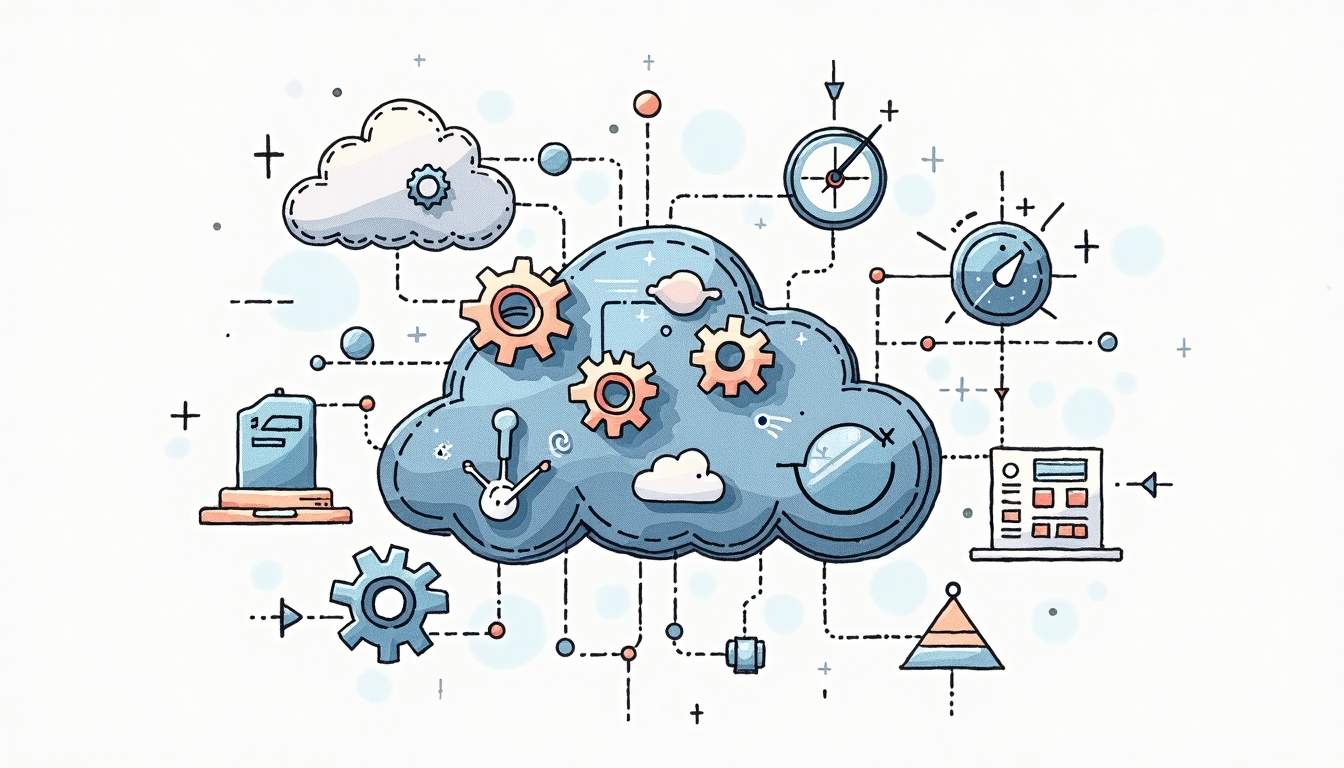
Senior engineers often play a crucial role in guiding these initiatives, aligning technical choices with business goals, and mentoring team members to build a robust DevOps culture. By fostering an environment of collaboration and continuous learning, senior engineers can help bridge the gap between development and operations, ensuring that both teams work towards common objectives. This alignment not only improves efficiency but also enhances the overall quality of software delivery, as teams are more likely to share insights and feedback when they operate cohesively.
In addition, leveraging metrics and analytics can provide valuable insights into team performance and areas for improvement. By regularly reviewing key performance indicators (KPIs) related to deployment frequency, lead time for changes, and mean time to recovery, architects and managers can make informed decisions that drive their DevOps strategies forward. This data-driven approach empowers teams to iterate on their processes, adopt new technologies, and ultimately, achieve higher levels of operational excellence.
What skills will be most valuable for DevOps engineers in 2026?
Looking ahead, companies seek engineers who can operate across the full stack of infrastructure automation, security, and scalability. This includes expertise in multi-cloud environments, container orchestration platforms like Kubernetes, and security best practices integrated into the CI/CD pipeline.
Moreover, soft skills such as communication, leadership, and adaptability remain vital. Senior DevOps professionals must bridge gaps between teams, advocate for best practices, and drive continuous innovation. As organizations increasingly adopt Agile methodologies, the ability to work in cross-functional teams becomes essential. DevOps engineers will need to collaborate closely with developers, QA testers, and operations staff to ensure seamless integration of processes and tools.
Additionally, as the landscape of technology evolves, staying abreast of emerging trends such as artificial intelligence and machine learning will be crucial. DevOps engineers who can leverage these technologies to automate processes and enhance decision-making will be highly sought after. Understanding how to integrate AI-driven tools into existing workflows can lead to significant improvements in efficiency and effectiveness, allowing teams to focus on higher-value tasks while reducing the risk of human error in repetitive processes.
Preparing for Your Senior DevOps Interview
What types of questions can you expect in a senior DevOps interview?
Interviews typically cover a blend of technical, behavioral, and scenario-based questions. Expect inquiries about:
- Designing and implementing CI/CD pipelines
- Managing infrastructure as code
- Handling failures and rollback strategies
- Scaling applications and infrastructure in cloud environments
- Ensuring security and compliance in DevOps workflows
- Driving cultural change and collaboration within teams
Demonstrating real-world experience with these topics, supported by examples of problem-solving and leadership, will set you apart.
How can you showcase your expertise effectively?
Prepare detailed stories that highlight your contributions to successful DevOps transformations. Discuss challenges you faced, the solutions you implemented, and the measurable outcomes achieved. Emphasize your knowledge of current tools and trends, and your ability to mentor others and foster a collaborative environment.
Remember, senior roles demand a holistic perspective—technical mastery combined with strategic vision and interpersonal skills.
Conclusion
As DevOps continues to shape the future of software engineering, senior professionals must stay informed about evolving technologies, cultural dynamics, and organizational needs. Mastery of Cloud & CI/CD tools, Infrastructure as Code, and a strong emphasis on culture are key to thriving in 2026 and beyond.
By preparing thoroughly for interviews with a focus on these areas, candidates can demonstrate their readiness to lead DevOps initiatives that drive innovation, efficiency, and resilience.
For more detailed insights and up-to-date interview questions, exploring resources such as recent academic studies and industry reports can provide valuable guidance on aligning your skills with market demands. If you are eyeing a principal-level position, see our guide on principal DevOps interview questions.

Leave a Reply