

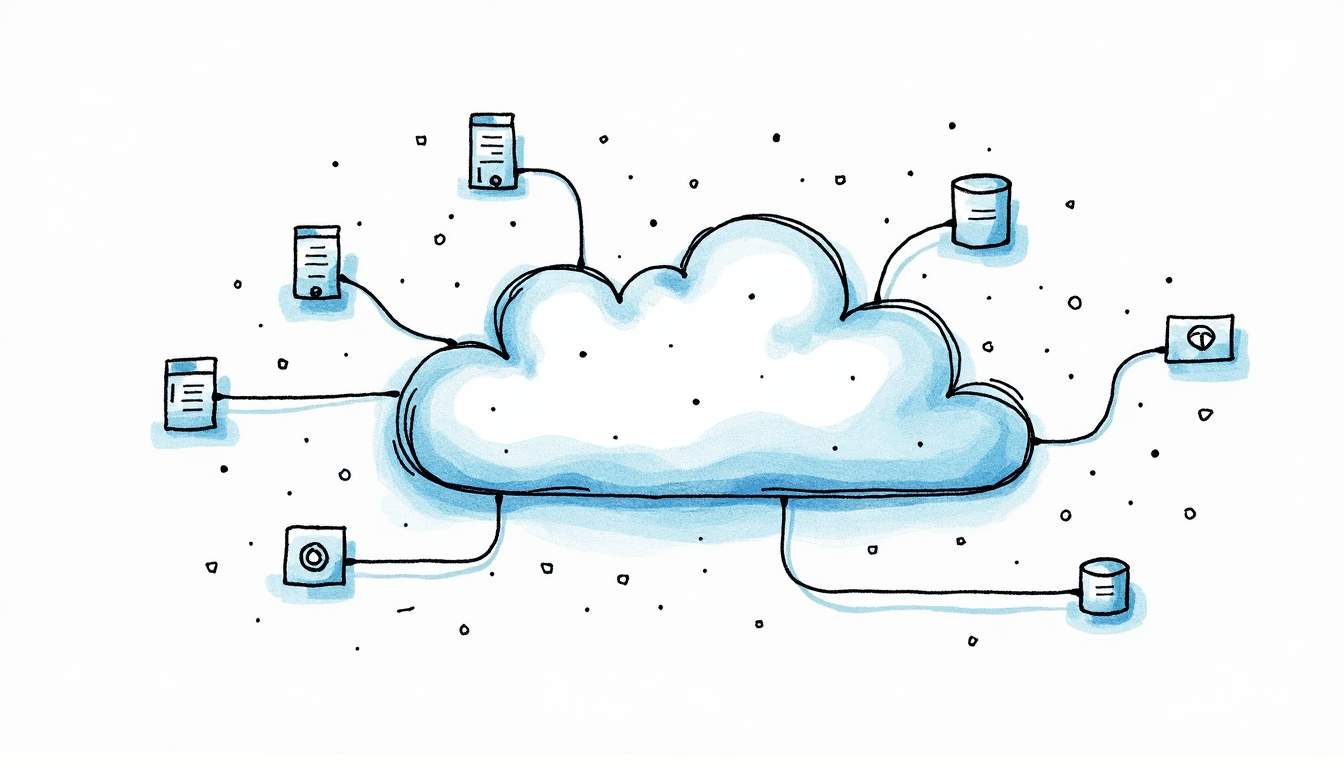
In today’s rapidly evolving tech landscape, the roles of Cloud Engineer and Software Engineer have become pivotal to the success of organizations embracing digital transformation. While both professions are rooted in software development and IT, their focus areas, responsibilities, and career trajectories differ significantly. Understanding these differences is crucial for aspiring professionals deciding which path to pursue, as well as for organizations seeking to build effective technology teams.
Defining the Roles: Cloud Engineer and Software Engineer
What Does a Cloud Engineer Do?
Cloud Engineers specialize in designing, implementing, and maintaining cloud infrastructure and services. Their primary responsibility is to ensure that cloud-based systems are scalable, secure, and reliable. This involves working with cloud platforms such as Amazon Web Services (AWS), Microsoft Azure, or Google Cloud Platform (GCP) to deploy applications, manage resources, and optimize cloud environments.
With the global public cloud services market projected to grow by 17.3% in 2024, reaching a total value of $266.4 billion, the demand for skilled Cloud Engineers is soaring. These professionals play a critical role in enabling businesses to leverage cloud computing benefits, such as elasticity, cost efficiency, and global accessibility. Additionally, Cloud Engineers often engage in monitoring and troubleshooting cloud services, ensuring that any issues are resolved promptly to minimize downtime and maintain service quality. They also implement security measures to protect sensitive data and ensure compliance with industry regulations, which is increasingly important in today’s data-driven landscape.
What Does a Software Engineer Do?
Software Engineers focus on designing, developing, testing, and maintaining software applications. Their work spans a wide range of industries and technologies, from web and mobile apps to embedded systems and enterprise software. They apply principles of computer science and engineering to solve problems, write clean and efficient code, and collaborate with cross-functional teams to deliver software solutions.
Unlike Cloud Engineers, Software Engineers may or may not work directly with cloud infrastructure, but their coding and development skills are foundational to creating the applications that run on various platforms, including the cloud. In addition to writing code, Software Engineers often engage in code reviews, debugging, and performance optimization to ensure that applications run smoothly and efficiently. They also stay updated with the latest programming languages and frameworks, allowing them to adopt new technologies and methodologies that enhance their development processes. This continuous learning is vital in a fast-evolving tech landscape, where innovation drives the need for more sophisticated and user-friendly applications.
Key Differences in Skills and Responsibilities
Technical Skillsets
Cloud Engineers require a deep understanding of cloud architecture, networking, security, and automation tools. They often use Infrastructure as Code (IaC) tools like Terraform or CloudFormation to manage cloud resources programmatically. Additionally, expertise in containerization technologies such as Docker and orchestration tools like Kubernetes is highly valuable. Familiarity with cloud service providers like AWS, Azure, or Google Cloud Platform is essential, as each platform offers unique features and services that can be leveraged to optimize performance and cost.

On the other hand, Software Engineers focus primarily on programming languages such as Java, Python, C++, or JavaScript. Their skillset emphasizes software design patterns, algorithms, data structures, and debugging techniques. While knowledge of cloud platforms is beneficial, it is not always mandatory. However, as more applications transition to cloud environments, Software Engineers are increasingly encouraged to understand cloud-native development practices, including microservices architecture and serverless computing, which can enhance their ability to build scalable and resilient applications.
Focus on Security and Elasticity
One of the long-term challenges in cloud services is ensuring elasticity and security. Cloud Engineers are tasked with evaluating and implementing solutions that allow systems to dynamically scale in response to demand while maintaining robust security protocols. A systematic literature review has highlighted these areas as persistent challenges in commercial cloud services, underscoring the complexity and importance of the Cloud Engineer’s role. They must stay updated on the latest security threats and compliance requirements, often employing tools for continuous monitoring and vulnerability assessments to safeguard sensitive data.
Collaboration and Soft Skills
Both roles demand strong collaboration and communication skills, but the context differs. Software Engineers often work closely with product managers, designers, and QA teams to build and refine software products. They must articulate technical concepts to non-technical stakeholders, ensuring that the final product aligns with user needs and business goals. Cloud Engineers, meanwhile, collaborate with IT operations, security teams, and developers to ensure that cloud infrastructure supports application needs effectively. This collaboration often involves cross-functional teams where Cloud Engineers provide insights on how to optimize cloud resources and enhance system performance.
Moreover, future software engineers are expected to develop not only technical expertise but also soft skills such as problem-solving and interpersonal communication. These competencies are becoming increasingly important as AI and automation reshape the software engineering landscape. The ability to work in agile environments, adapt to rapidly changing technologies, and engage in constructive feedback loops is crucial. As teams become more diverse and global, cultural awareness and empathy will also play significant roles in fostering collaboration and innovation within software development projects.
Career Paths and Industry Demand
Job Market Trends and Growth
The demand for Cloud Engineers has seen double-digit annual growth since 2020 and continues to rise sharply. This surge is driven by the rapid adoption of cloud technologies across industries, creating numerous job opportunities for qualified professionals. Joe Kotlinski, a partner at WinterWyman, notes that DevOps and cloud engineers often receive multiple job offers, reflecting their high market value. This trend is not limited to large tech firms; small and medium-sized enterprises are also increasingly recognizing the need for cloud expertise to remain competitive in a digital-first world. As businesses migrate their operations to the cloud, the skills required to manage and optimize these environments become ever more critical.
Similarly, the overall cloud computing market is expected to reach $684.55 billion by 2026, growing at a compound annual growth rate (CAGR) of 17.5%. This expansion signals robust career prospects for those specializing in cloud technologies. Emerging sectors such as artificial intelligence, machine learning, and big data analytics are particularly reliant on cloud infrastructure, further driving demand for skilled professionals. As organizations seek to leverage these technologies to gain insights and improve decision-making, the need for cloud engineers who can design and implement effective solutions will only intensify.
Salary Expectations
Compensation for Cloud Engineers is competitive, with the average annual salary reported at $130,815 as of April 2026. This figure reflects the specialized skills and critical responsibilities associated with managing cloud infrastructure. Software Engineers also enjoy strong earning potential, though salaries can vary widely depending on experience, specialization, and geographic location. In particular, engineers with expertise in emerging cloud platforms, such as AWS, Azure, or Google Cloud, often command higher salaries due to the specialized knowledge required to navigate these complex environments. Additionally, certifications in cloud technologies can further enhance earning potential, as they demonstrate a commitment to professional development and mastery of relevant skills.
Specialized Roles: Site Reliability Engineers (SREs)
Within the cloud ecosystem, roles such as Site Reliability Engineers (SREs) have emerged to bridge the gap between software development and IT operations. SREs focus on ensuring system reliability, performance, and scalability. However, Austen Yueh, a technical recruiter at LightStep, points out that SREs face unique challenges not typically covered in traditional training programs, highlighting the specialized nature of this career path. These professionals must possess a deep understanding of both software engineering and systems administration, allowing them to implement best practices that enhance service reliability while also fostering a culture of collaboration between development and operations teams.
Moreover, the role of an SRE often involves the use of advanced monitoring and automation tools to proactively identify and resolve issues before they impact users. As organizations increasingly adopt a DevOps culture, the demand for SREs is likely to grow, as they play a crucial role in maintaining the delicate balance between rapid deployment and system stability. This evolution in the tech landscape not only underscores the importance of SREs but also highlights the continuous learning and adaptability required to thrive in this fast-paced environment. As technology evolves, so too will the skill sets needed to support it, making ongoing education and professional development essential for those pursuing a career in this field.
Choosing the Right Path: Factors to Consider
Interest and Aptitude
Choosing between a career as a Cloud Engineer or a Software Engineer largely depends on personal interests and strengths. Those fascinated by infrastructure, networking, and system architecture may find cloud engineering more fulfilling. Conversely, individuals passionate about coding, software design, and application development might prefer software engineering.
Learning Curve and Training
Both paths require continuous learning to keep pace with technological advancements. Cloud Engineers must stay updated on evolving cloud platforms, security practices, and automation tools. Software Engineers need to master programming languages, frameworks, and emerging development methodologies.
Given the increasing integration of artificial intelligence in software engineering, future professionals will also need to cultivate adaptability and soft skills to thrive in dynamic environments.
Job Stability and Future Outlook
With the cloud computing market expanding rapidly, Cloud Engineers enjoy strong job stability and growth potential. The increasing reliance on cloud infrastructure ensures sustained demand for their expertise.
Software Engineers remain indispensable across virtually all sectors, with their roles continuously evolving alongside new technologies. The versatility of software engineering skills offers broad career opportunities, from startups to large enterprises.
Conclusion
Both Cloud Engineers and Software Engineers play vital roles in the technology ecosystem, yet their focus areas, skill requirements, and career trajectories differ. Cloud Engineers specialize in managing and optimizing cloud infrastructure, addressing challenges such as security and elasticity. Software Engineers concentrate on designing and building software applications, requiring strong programming and problem-solving skills.
As the cloud computing market continues its rapid expansion, fueled by a projected growth rate exceeding 17% annually, the demand for Cloud Engineers is expected to remain robust. Meanwhile, Software Engineers will continue to be essential drivers of innovation across industries.
For those considering a career in technology, understanding these distinctions and aligning them with personal interests and strengths is key to making an informed decision. Both paths offer rewarding opportunities, competitive compensation, and the chance to contribute to the future of digital transformation.

Leave a Reply