


As organizations continue to migrate critical workloads to cloud environments, securing the underlying infrastructure has become a paramount concern. The rapid adoption of cloud computing offers unparalleled flexibility and scalability, but it also introduces complex security challenges, particularly at the network level. This article explores the evolving landscape of cloud network security, highlighting key strategies, emerging technologies, and industry trends that are shaping how enterprises protect their cloud infrastructure today.
The Growing Importance of Cloud Network Security
Cloud computing has transformed the way businesses operate, enabling faster innovation and cost efficiencies. However, this shift has also expanded the attack surface, making network security a critical focus area. Recent data shows that over 82% of organizations have moved more than half of their workloads to cloud platforms, driving a significant rise in cloud security adoption. This trend underscores the urgent need for robust network-level protections to safeguard sensitive data and maintain business continuity.
Market projections further emphasize this urgency. The global cloud security market is expected to grow at a compound annual growth rate (CAGR) of 12.7% by 2034, reflecting increasing investments in cloud defense mechanisms. Moreover, the cloud network security segment alone is forecasted to exceed $19.3 billion by 2032, fueled by the surge in cybercrime and the growing reliance on digital technologies. These figures highlight that securing cloud infrastructure is not just a technical necessity but a strategic priority for organizations worldwide.
As organizations increasingly rely on cloud services, they face a myriad of security challenges, including data breaches, account hijacking, and insecure APIs. The shared responsibility model, where cloud service providers and customers both play roles in securing data, complicates the landscape further. Businesses must not only trust their providers to implement robust security measures but also take proactive steps to protect their own data. This includes regular audits, employee training, and implementing multi-factor authentication to mitigate risks associated with human error and insider threats.
Furthermore, the rise of remote work has added another layer of complexity to cloud network security. With employees accessing sensitive information from various locations and devices, the potential for vulnerabilities increases. Organizations are now investing in advanced security solutions such as zero-trust architectures, which assume that threats could be both external and internal. By continuously verifying user identities and device security, businesses can create a more resilient network environment. This proactive approach not only helps in preventing data breaches but also fosters a culture of security awareness among employees, making them an integral part of the organization’s defense strategy.
Key Network-Level Threats in Cloud Environments
Understanding the primary threats at the network level is essential for designing effective security strategies. Multi-cloud environments, where organizations use multiple cloud service providers, present unique challenges. A recent study analyzing multi-cloud threat vectors identified authentication and architectural vulnerabilities as the highest risk areas. Weaknesses in these domains can lead to unauthorized access, data breaches, and service disruptions.
Network-level attacks such as Distributed Denial of Service (DDoS), man-in-the-middle attacks, and lateral movement within cloud networks are increasingly common. Attackers exploit misconfigurations, insecure APIs, and insufficient segmentation to penetrate cloud infrastructure. Given the dynamic and distributed nature of cloud networks, traditional perimeter-based security models are no longer sufficient, necessitating adaptive and intelligent security frameworks.
Moreover, the rise of sophisticated phishing techniques targeting cloud credentials has compounded these threats. Cybercriminals are leveraging social engineering tactics to trick users into revealing their login information, thereby gaining access to sensitive data stored in the cloud. This not only highlights the importance of user education and awareness but also emphasizes the need for implementing multi-factor authentication (MFA) as a critical layer of defense. By requiring multiple forms of verification, organizations can significantly reduce the risk of unauthorized access, even if credentials are compromised.
In addition to user-related vulnerabilities, the complexity of cloud architectures introduces further risks. As organizations integrate various services and applications across different cloud platforms, the potential for misconfigurations increases. A single misconfigured security group can expose critical resources to the internet, creating an easy target for attackers. Continuous monitoring and automated compliance checks are essential to identify and rectify these vulnerabilities promptly. Implementing robust logging and alerting mechanisms can also help organizations detect unusual patterns of behavior, enabling them to respond swiftly to potential threats before they escalate into more significant incidents.
Leveraging Artificial Intelligence for Enhanced Threat Detection
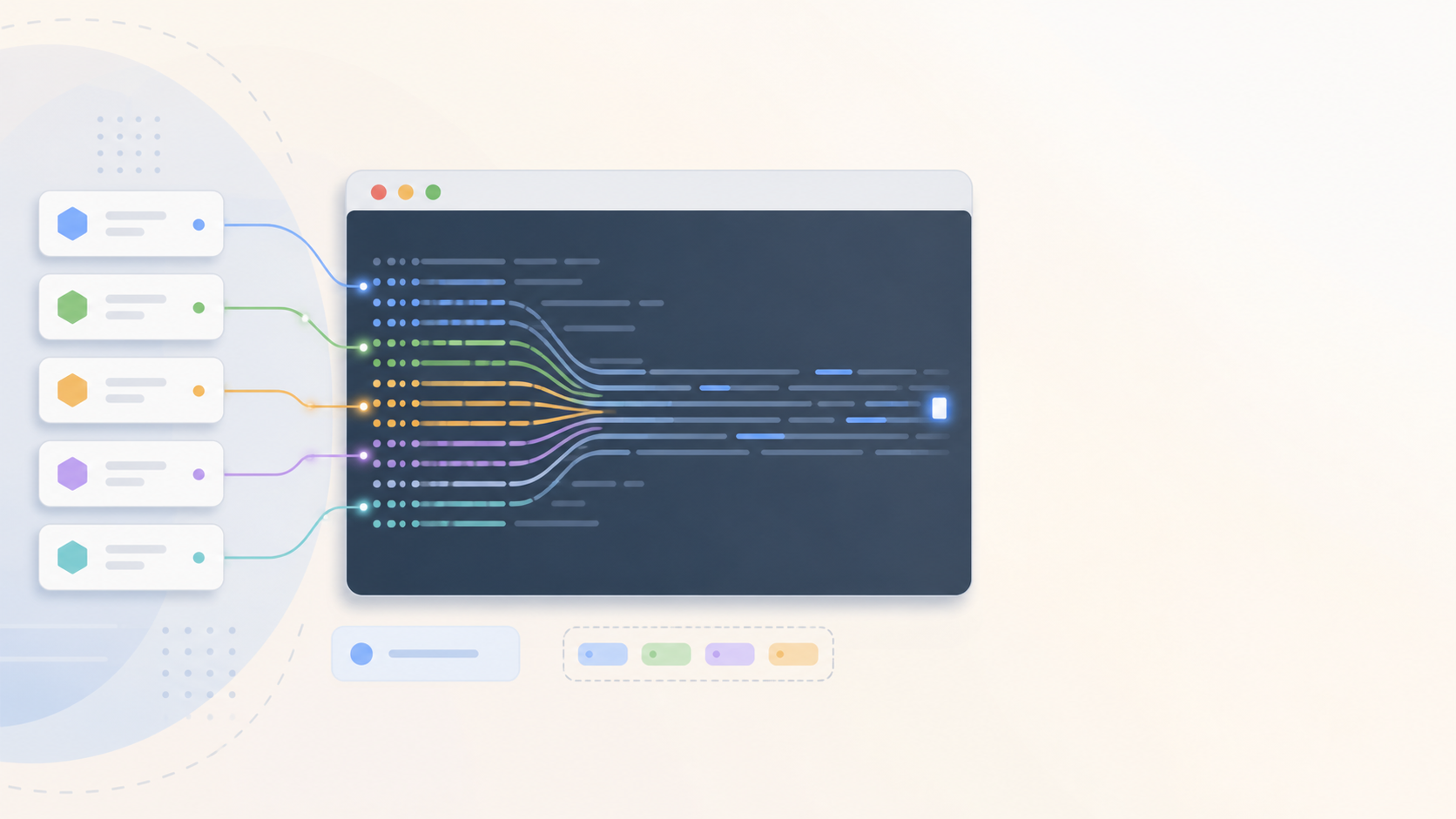
Artificial intelligence (AI) and machine learning (ML) are revolutionizing cloud network security by enabling proactive threat detection and automated response. AI-driven systems analyze vast amounts of network traffic in real time, identifying anomalous behaviors that may indicate emerging threats before they escalate into serious breaches.
Research has demonstrated that adaptive security frameworks powered by deep learning can achieve detection accuracies as high as 97.3% in real-world business environments. These systems continuously learn from new data, improving their ability to detect sophisticated attacks that traditional signature-based tools might miss. AI also facilitates automated incident response, reducing the time between threat detection and mitigation, which is critical in minimizing damage.
However, experts caution that while AI significantly enhances protection, further efforts are needed to improve the technology’s reliability, modularity, and ethical considerations. Ensuring AI systems are transparent and free from bias is crucial as organizations increasingly rely on these tools to secure their cloud infrastructure.
In addition to enhancing detection capabilities, AI can also play a pivotal role in threat prediction. By analyzing historical data and recognizing patterns, AI algorithms can forecast potential vulnerabilities and attack vectors, allowing organizations to proactively fortify their defenses. This predictive capability not only helps in mitigating risks but also aids in resource allocation, ensuring that security teams can focus their efforts where they are most needed. Moreover, the integration of AI with threat intelligence feeds can provide real-time insights into emerging threats across the global landscape, further empowering organizations to stay ahead of cybercriminals.
As organizations embrace AI for security, the importance of human oversight cannot be understated. While AI can process and analyze data at unprecedented speeds, the nuanced understanding of context and intent still requires human intervention. Security analysts equipped with AI tools can make informed decisions based on the insights generated, combining the efficiency of machine learning with the critical thinking skills of human experts. This collaborative approach not only enhances the overall security posture but also fosters a culture of continuous improvement in threat detection and response strategies.
Infrastructure-as-Code Security: A Strategic Approach
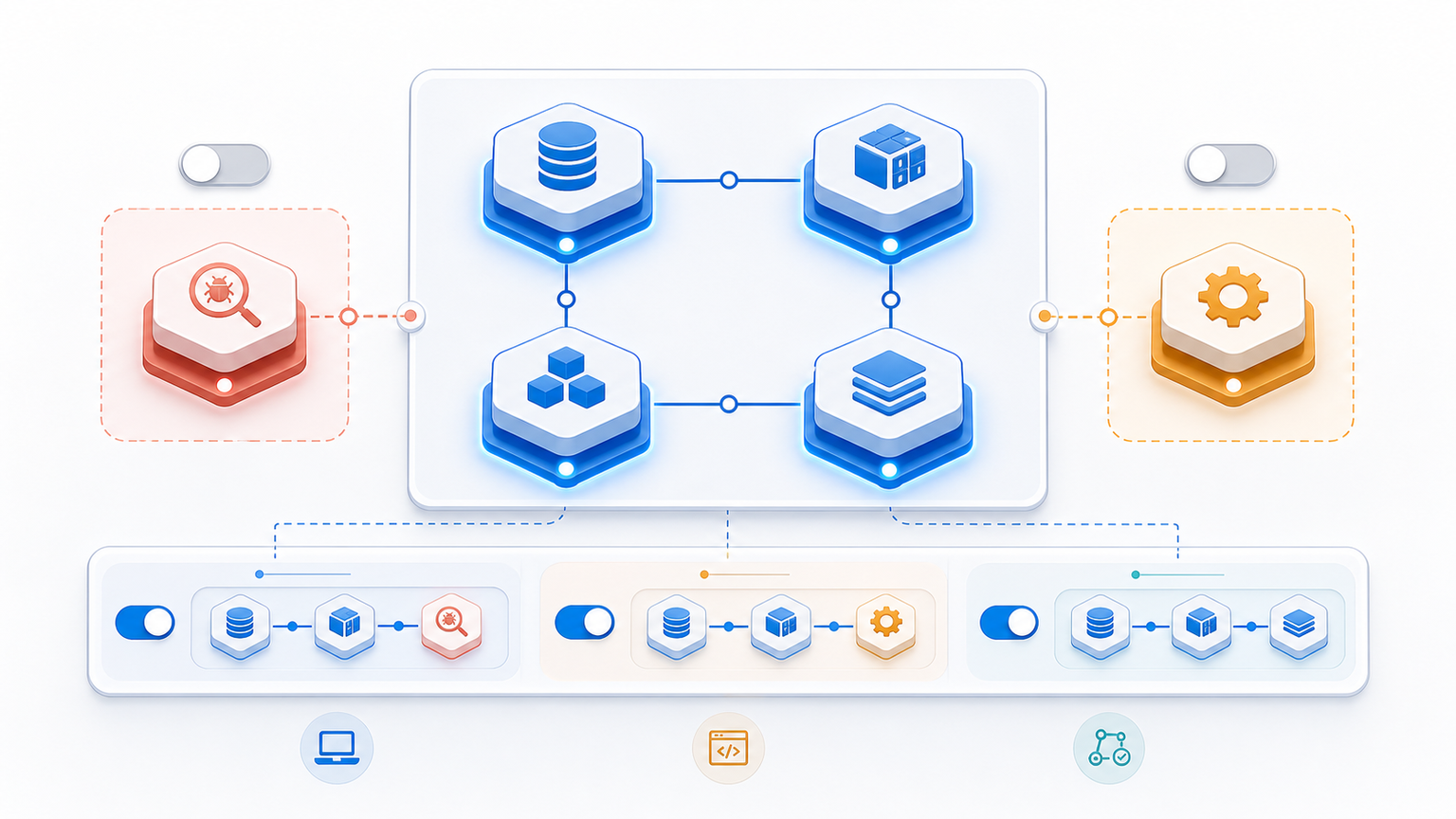
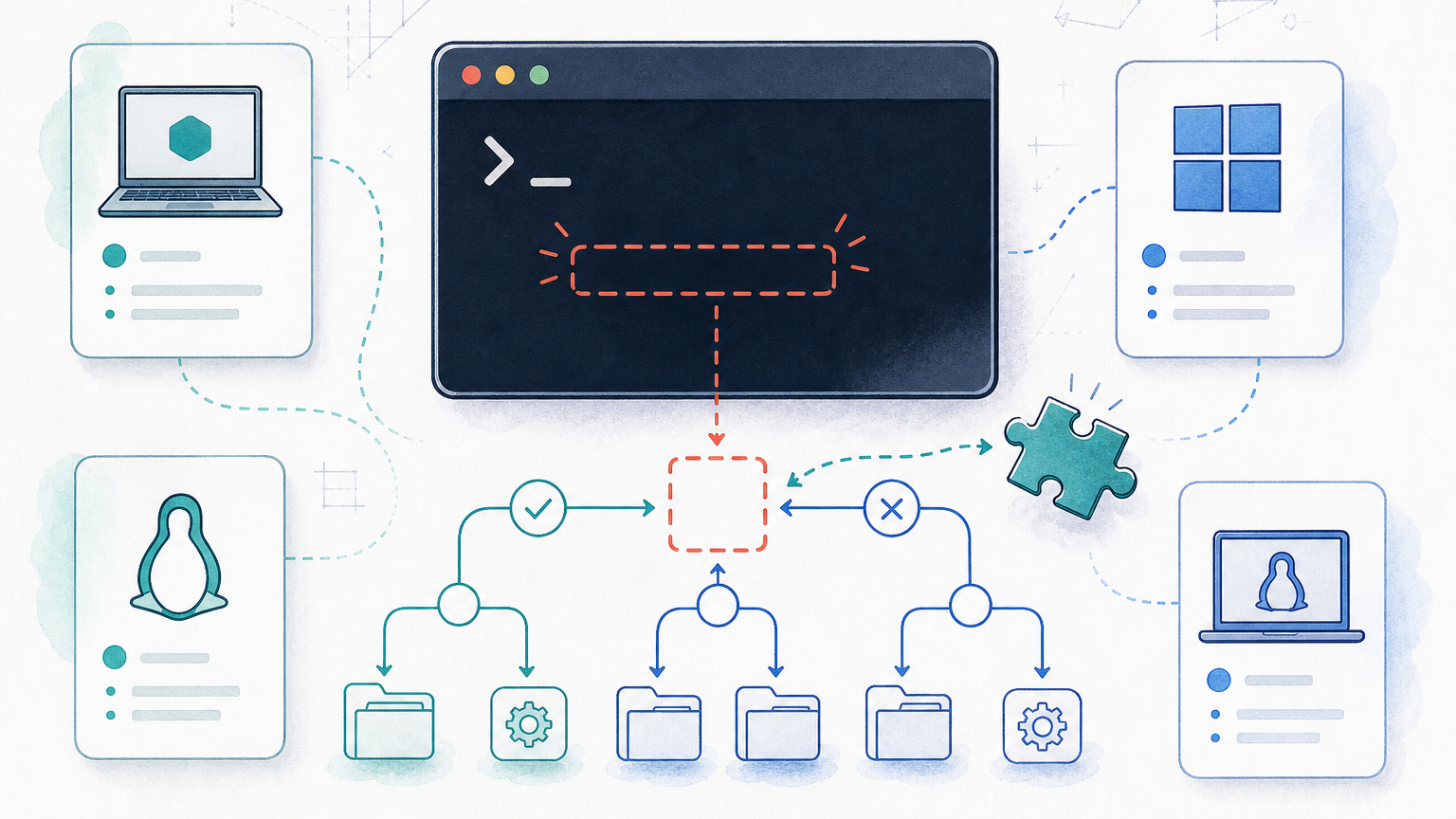
Infrastructure-as-code (IaC) has become a foundational practice in cloud computing, allowing organizations to manage and provision infrastructure through code. While IaC accelerates deployment and improves consistency, it also introduces new security risks if configurations are flawed or insecure.
Recognizing this, leading cloud security providers have made significant investments in IaC security. For example, Palo Alto Networks’ acquisition of Bridgecrew, a company specializing in IaC security, underscores the growing emphasis on integrating security into the development lifecycle. IaC security tools scan code repositories for vulnerabilities, enforce compliance policies, and prevent misconfigurations before they reach production environments.
By embedding security checks early in the development process, organizations can reduce the risk of network-level vulnerabilities and ensure that cloud infrastructure is resilient against attacks from the outset.
Best Practices for Strengthening Network-Level Security in the Cloud
To effectively enhance infrastructure security at the network level, organizations should adopt a multi-layered approach that combines technology, processes, and continuous monitoring. Key best practices include:
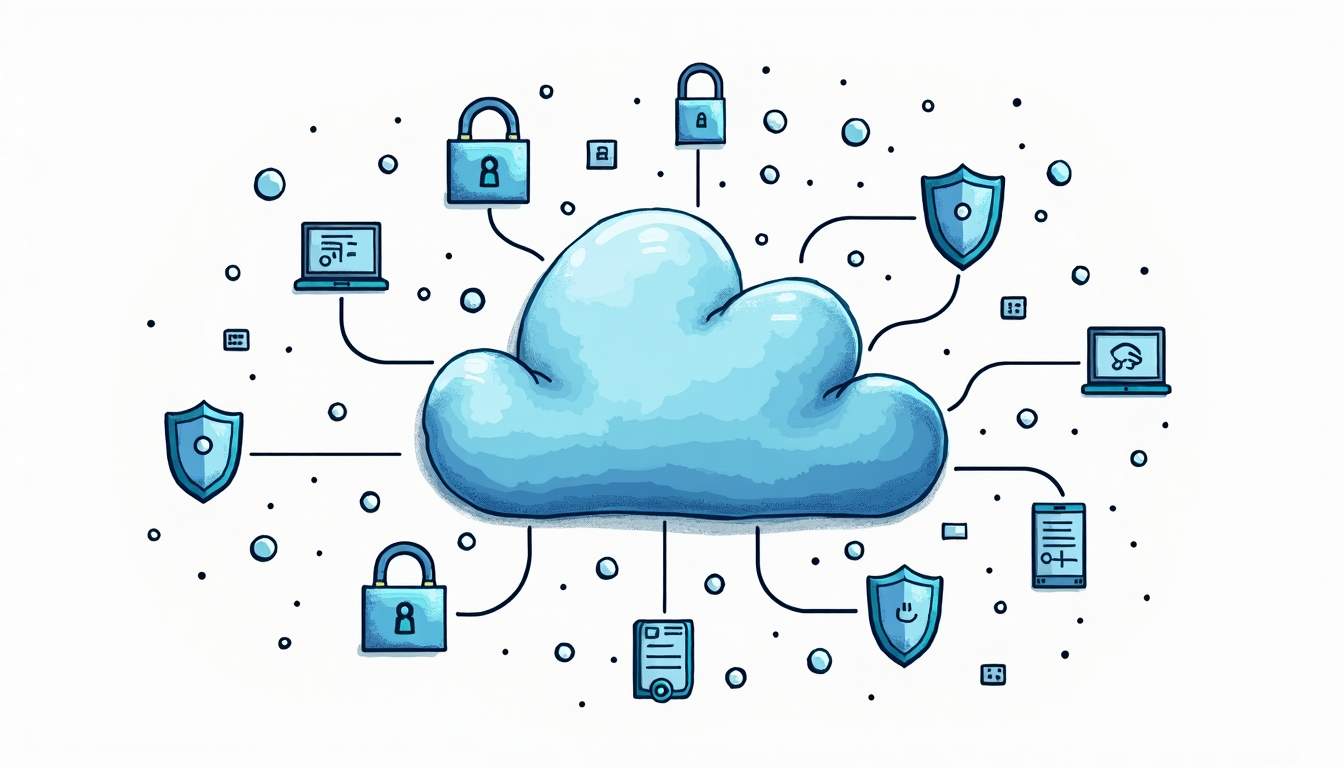
1. Implement Zero Trust Architecture
Zero Trust assumes that no user or device is inherently trustworthy, enforcing strict identity verification and least-privilege access controls. This approach limits lateral movement within cloud networks and reduces the risk posed by compromised credentials.
2. Use Microsegmentation
Dividing the cloud network into smaller, isolated segments helps contain potential breaches and limits attackers’ ability to access critical resources. Microsegmentation enhances visibility and control over network traffic flows.
3. Employ Continuous Monitoring and Analytics
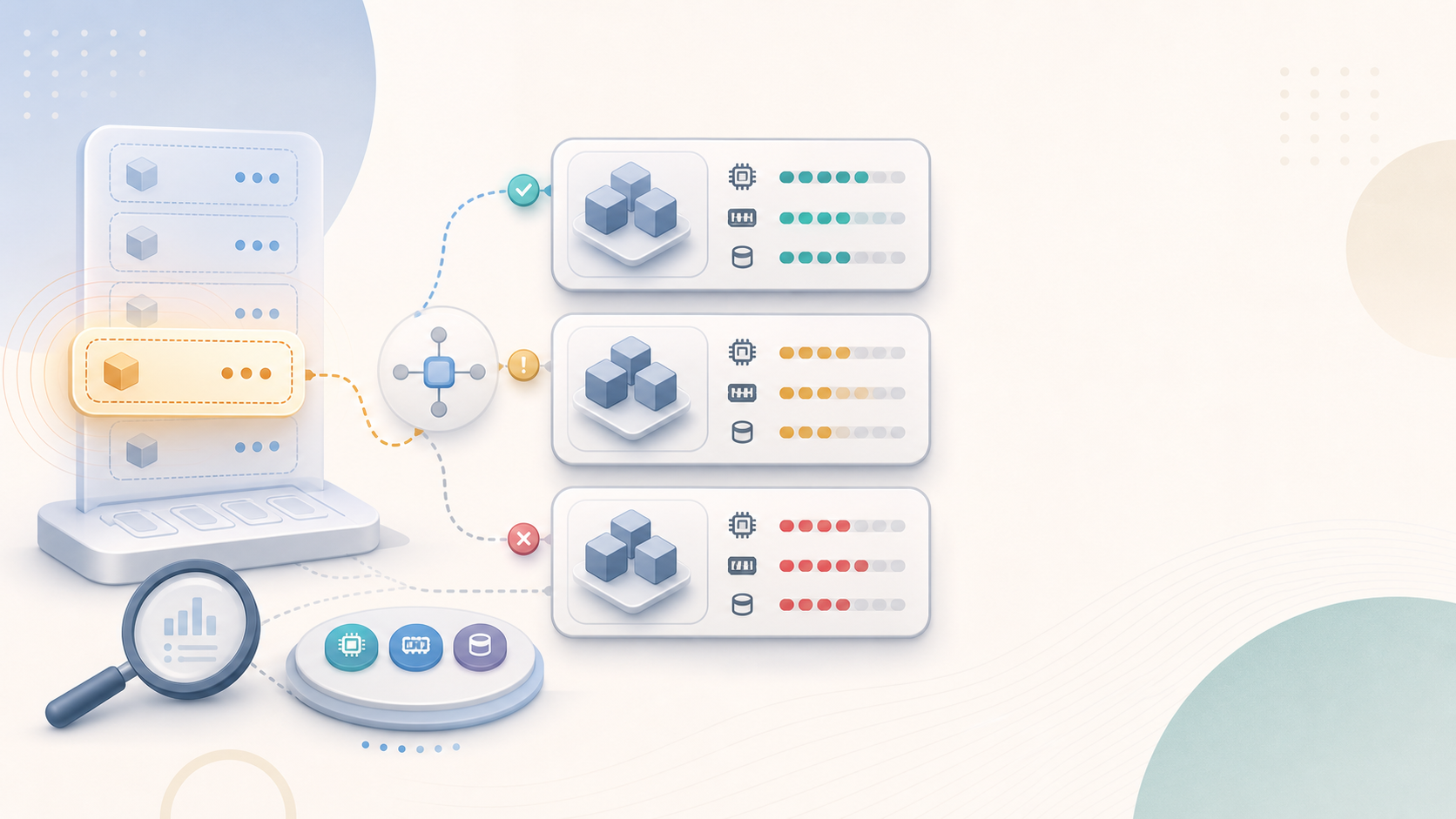
Real-time monitoring combined with AI-driven analytics enables early detection of suspicious activities. Continuous assessment of network health and security posture helps organizations respond swiftly to emerging threats.
4. Automate Security Policy Enforcement
Automation reduces human error and ensures consistent application of security policies across dynamic cloud environments. Automated tools can enforce compliance, manage firewall rules, and orchestrate incident responses efficiently.
5. Prioritize Identity and Access Management (IAM)
Strong IAM practices, including multi-factor authentication and role-based access controls, are critical to preventing unauthorized access and mitigating authentication risks identified in multi-cloud threat analyses.
The Future of Cloud Network Security
The cloud security landscape will continue to evolve as organizations adopt more complex architectures and cyber threats become increasingly sophisticated. AI and machine learning will play an even greater role, not only in threat detection but also in predictive analytics and automated remediation.
Furthermore, as cloud adoption grows, regulatory compliance and ethical considerations will shape security strategies. Organizations must balance innovation with responsibility, ensuring that AI-driven security solutions are transparent, fair, and respect user privacy.
Collaboration between cloud providers, security vendors, and enterprises will be essential to develop standardized frameworks and share threat intelligence effectively. This collective effort will help build resilient cloud infrastructures capable of withstanding future cyber challenges.
Conclusion
Enhancing infrastructure security at the network level in cloud computing is a complex but critical endeavor. With the majority of workloads now residing in cloud environments, organizations face unprecedented risks that require advanced, adaptive security measures. Leveraging AI-powered detection, securing infrastructure-as-code, and implementing best practices such as Zero Trust and microsegmentation are key to building robust defenses.
The cloud security market’s projected growth and ongoing investments reflect the recognition that protecting cloud networks is fundamental to digital transformation success. By staying informed of emerging threats and adopting innovative security technologies, organizations can safeguard their cloud infrastructure and maintain trust in an increasingly connected world.

Leave a Reply