


In the rapidly evolving world of containerization, Docker remains a cornerstone technology for developers and IT professionals alike. Among the many features Docker offers, the LABEL instruction in Dockerfiles is a powerful yet often underutilized tool. This comprehensive guide explores the purpose, usage, and best practices of Docker labels, helping you optimize your container images for better management, automation, and collaboration.
What is the Docker Label Instruction?
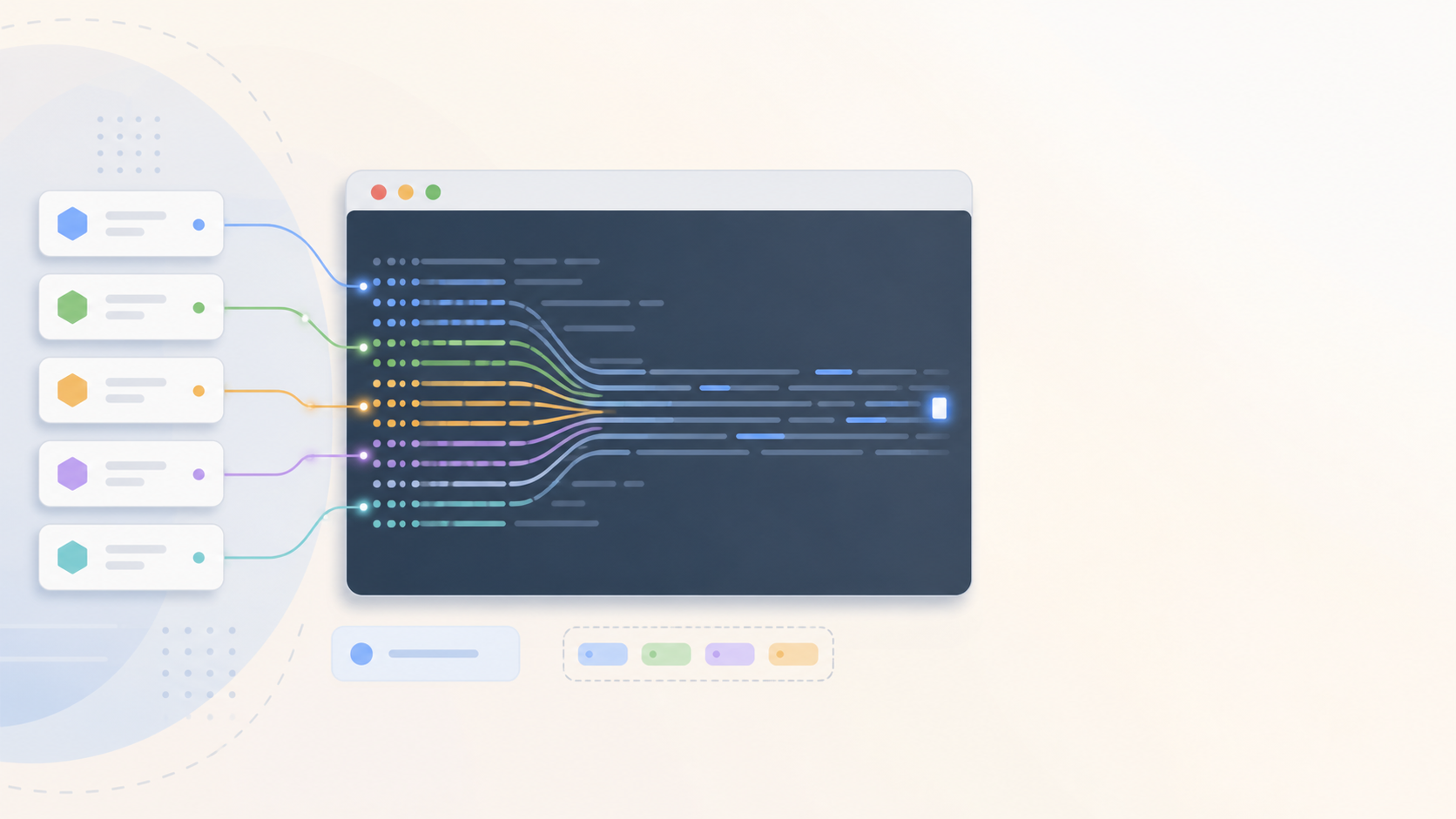
The LABEL instruction in a Dockerfile allows you to add metadata to your Docker images in the form of key-value pairs. Unlike environment variables or other configuration options, labels do not affect the runtime behavior of the container. Instead, they serve as descriptive tags that provide useful information about the image.
These labels can include anything from the maintainer’s contact information, version numbers, build dates, to custom tags that help categorize and manage images in complex environments. This metadata becomes invaluable when dealing with large-scale deployments, automated workflows, or simply maintaining clarity and consistency across your container ecosystem.
Why Use Docker Labels?
Labels enhance the transparency and traceability of container images. By embedding descriptive information directly into the image, developers and operations teams can quickly identify the purpose, origin, or configuration details without needing to inspect the container runtime or external documentation.
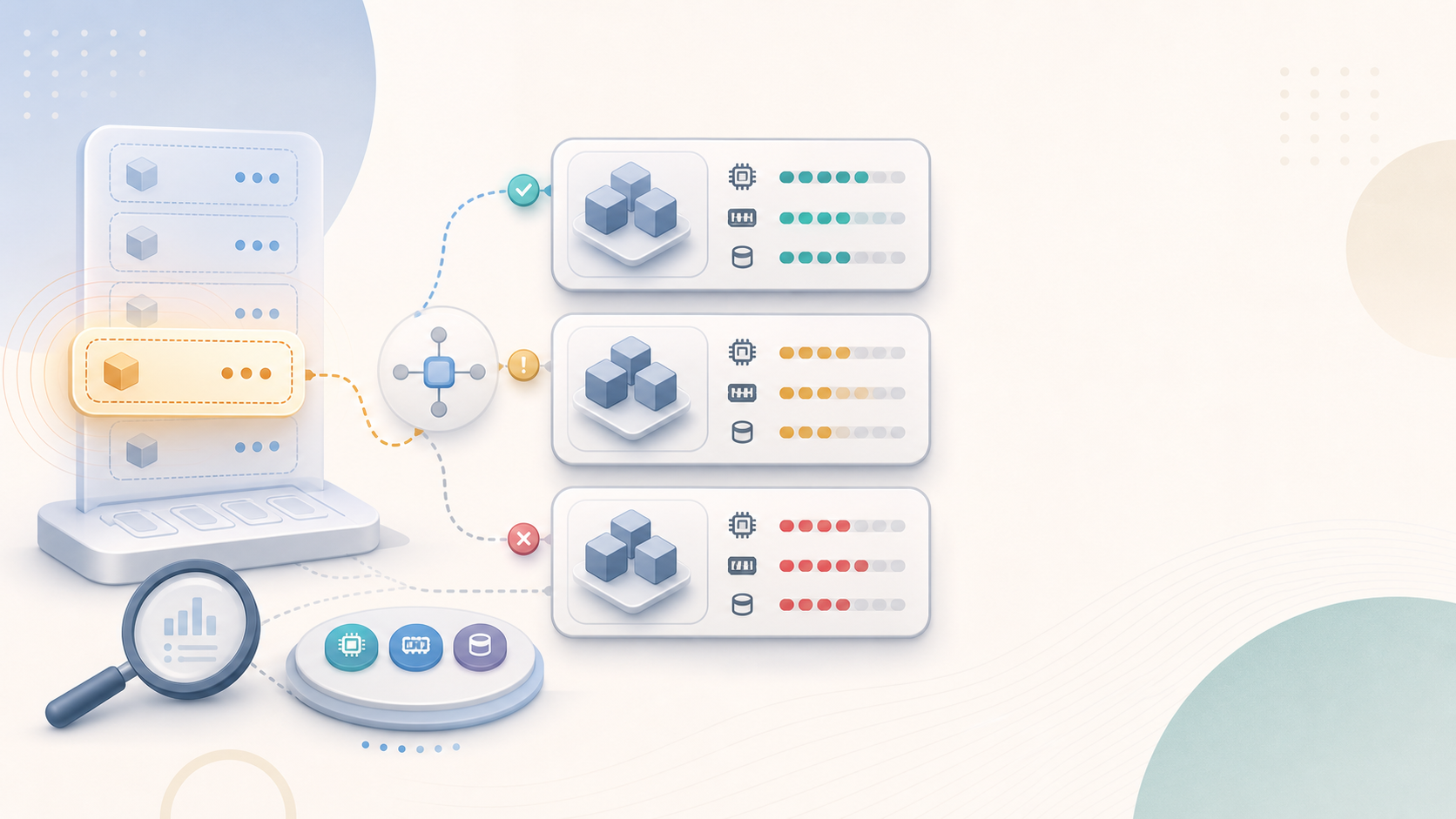
Moreover, labels facilitate automation. Many container orchestration tools, CI/CD pipelines, and security scanners leverage labels to filter, sort, or trigger specific actions based on the metadata. This capability aligns well with the growing trend of intelligent automation in container workflows, as seen in recent developments like Docker’s AI Agent beta introduced in April 2026, which embeds intelligent automation into container build and deployment processes.
In addition to enhancing operational efficiency, Docker labels can also play a crucial role in compliance and security. By tagging images with relevant compliance information, such as licensing details or vulnerability assessments, organizations can ensure they adhere to regulatory requirements and security best practices. This becomes particularly important in industries where data protection and software integrity are paramount, such as finance and healthcare. Furthermore, the ability to audit and track changes through labels can simplify the process of demonstrating compliance during audits or security reviews.
Another significant advantage of using labels is their role in image management and lifecycle. As teams create and deploy numerous images, maintaining an organized repository becomes essential. Labels can help categorize images by application type, environment (development, staging, production), or even by team ownership. This structured approach not only aids in quick retrieval and deployment but also minimizes the risk of deploying outdated or incorrect images, thereby enhancing overall operational reliability.
How to Use the Docker Label Instruction
Using the LABEL instruction is straightforward. It can be added anywhere in the Dockerfile and supports multiple key-value pairs either in a single instruction or spread across multiple lines for readability.
Basic Syntax
LABEL key="value" key2="value2" key3="value3"For example:
LABEL maintainer="[email protected]" version="1.0" description="Sample application container"Multi-line Labels for Readability
When dealing with numerous labels, you can spread them across multiple lines using the backslash (\) character:
LABEL maintainer="[email protected]" \ version="1.0" \ description="Sample application container" \ release-date="2026-04-01"Best Practices for Labeling
Effective labeling goes beyond simply adding metadata. Here are some best practices to ensure your labels are useful and maintainable:
- Standardize Keys: Use consistent naming conventions across your projects. For example, always use
maintainerfor contact info andversionfor the image version. - Keep Values Meaningful: Avoid vague or generic descriptions. Precise metadata helps automation tools and team members understand the image context quickly.
- Include Build Information: Adding build timestamps or commit hashes can help trace the image back to the source code or build process.
- Limit Label Size: While labels are powerful, excessive or overly large metadata can bloat your image size. Studies have shown that Dockerfile “smells,” including unnecessary or redundant instructions, can increase image size by an average of 48.06 MB per smelly image, which is significant in container optimization.
Additionally, consider using labels to facilitate compliance and auditing processes. For instance, including labels that specify licensing information or compliance statuses can be invaluable for organizations that need to adhere to regulatory requirements. This practice not only enhances transparency but also aids in maintaining a clear record of the software’s legal and compliance status, which can be particularly useful during audits or reviews.
Another important aspect of using labels effectively is to integrate them with your CI/CD pipeline. By automating the labeling process during image builds, you can ensure that every image is tagged with the correct metadata without manual intervention. This can include dynamically generated labels based on the build environment, such as the Git commit ID, branch name, or build number, which simplifies tracking and rollback procedures in production environments.
Impact of Docker Labels on Image Size and Build Efficiency
One common concern is whether adding labels affects the size and performance of Docker images. While labels themselves are typically small, the overall Dockerfile quality plays a crucial role in image size and build times.
Research from Emna Ksontini and colleagues demonstrates that automated refactoring of Dockerfiles can reduce image sizes by an average of 32% and decrease build durations by 6%. This highlights that maintaining clean, efficient Dockerfiles—including well-managed labels—contributes to leaner containers and faster deployments.
Conversely, neglecting Dockerfile hygiene, such as adding redundant labels or other inefficient instructions, can lead to bloated images. The empirical study by Thomas Durieux emphasizes that Dockerfile smells can add approximately 4.6% (48.06 MB) per smelly image, underscoring the importance of mindful labeling and Dockerfile practices.
In addition to the direct impact on image size, the use of labels can significantly enhance the manageability of Docker containers. Labels serve as metadata that can provide essential context about the image, such as versioning, licensing information, and the maintainer’s contact details. This can be particularly beneficial in collaborative environments where multiple developers interact with the same images, as it allows for better tracking and accountability. Furthermore, labels can facilitate automated processes, such as continuous integration and deployment (CI/CD) pipelines, by enabling tools to filter and select images based on specific criteria, thus streamlining workflows.
Moreover, the strategic use of labels can also improve security practices within Docker environments. By incorporating labels that specify security policies or compliance requirements, organizations can enforce best practices and ensure that all images adhere to established standards. This proactive approach not only helps in maintaining a secure infrastructure but also aids in audits and compliance checks, making it easier to demonstrate adherence to regulatory requirements. As the container ecosystem continues to evolve, the significance of well-structured labels will only grow, reinforcing their role as a fundamental aspect of effective Docker management.
Leveraging Docker Labels in Modern Development Workflows
With container usage soaring to 92% in the IT industry as reported in the 2026 Docker State of Application Development Report, effective image management has never been more critical. Labels play a pivotal role in enabling this management, especially as organizations adopt AI-driven tools and automation.
Integration with AI and Automation
According to Docker’s AI Trends Report 2024, 64% of developers are already leveraging AI for coding, documentation, and research. The rise of intelligent automation tools, such as the Docker AI Agent beta introduced in 2026, further underscores the shift towards embedding AI in container workflows.
Labels provide structured metadata that these AI tools can interpret to optimize build, deployment, and monitoring processes. For example, AI agents can automatically detect outdated images by comparing version labels or trigger security scans based on labels indicating the software components included in the image.
Facilitating Collaboration and Compliance
In team environments, labels serve as a communication bridge. They help developers, testers, and operations teams quickly understand the image’s purpose and status without digging into code or build logs. This transparency supports smoother collaboration and faster troubleshooting.
Additionally, labels can assist with compliance and auditing by embedding information such as license types, vulnerability scan results, or regulatory certifications directly into the image metadata.
Common Label Keys and Their Uses
While Docker does not enforce any specific label keys, the community and industry have converged on several common standards that enhance interoperability and clarity.
Maintainer
maintainer identifies the person or team responsible for the image. This is useful for accountability and support.
Version
version specifies the application or image version, aiding in version control and rollback strategies.
Description
description provides a brief summary of the image’s purpose or contents.
Build Date and Source Control
Labels like build-date and vcs-ref (version control system reference) link the image back to the build time and source code commit, respectively, facilitating traceability.
Custom Labels
Organizations often define custom labels to meet specific needs, such as com.company.project or com.company.environment, to categorize images by project or deployment environment.
How to Inspect and Use Labels
Once labels are added to an image, they can be inspected using Docker commands or leveraged in orchestration and CI/CD tools.
Inspecting Labels
Use the following command to view labels on a Docker image:
docker image inspect <image-name> --format='{{json .Config.Labels}}' | jqThis outputs the labels in JSON format, making it easy to read and parse.
Using Labels in Docker Compose and Kubernetes
Labels can be referenced in Docker Compose files or Kubernetes manifests to apply policies, organize resources, or trigger automation workflows.
Conclusion
The LABEL instruction in Dockerfiles is a deceptively simple yet powerful feature that enhances image metadata, supports automation, and improves collaboration. By adopting best practices in labeling and maintaining clean Dockerfiles, organizations can reduce image sizes, speed up build times, and prepare their container workflows for the future—especially as AI-driven automation becomes a standard part of software development.
As container adoption continues to grow, with usage reaching 92% in IT environments, mastering Docker labels is essential for developers and IT leaders aiming to optimize their container strategies effectively.
For further reading, consult the Empirical Study of the Docker Smells Impact on the Image Size and the Refactoring for Dockerfile Quality study to deepen your understanding of Dockerfile best practices.

Leave a Reply