


In the rapidly evolving world of software development, containerization has emerged as a game-changing technology. At the heart of this revolution lies Docker Engine, a core component that enables developers and IT professionals to build, ship, and run applications seamlessly across diverse environments. This article explores what Docker Engine is, how it functions, and why it has become indispensable in modern application development.
What Is Docker Engine?
Docker Engine is an open-source containerization technology that allows developers to package applications and their dependencies into lightweight, portable containers. These containers can run consistently on any system that supports Docker, whether it’s a developer’s laptop, a testing environment, or a production server. This portability is one of Docker’s most significant advantages, as it eliminates the “it works on my machine” problem that often plagues software development.
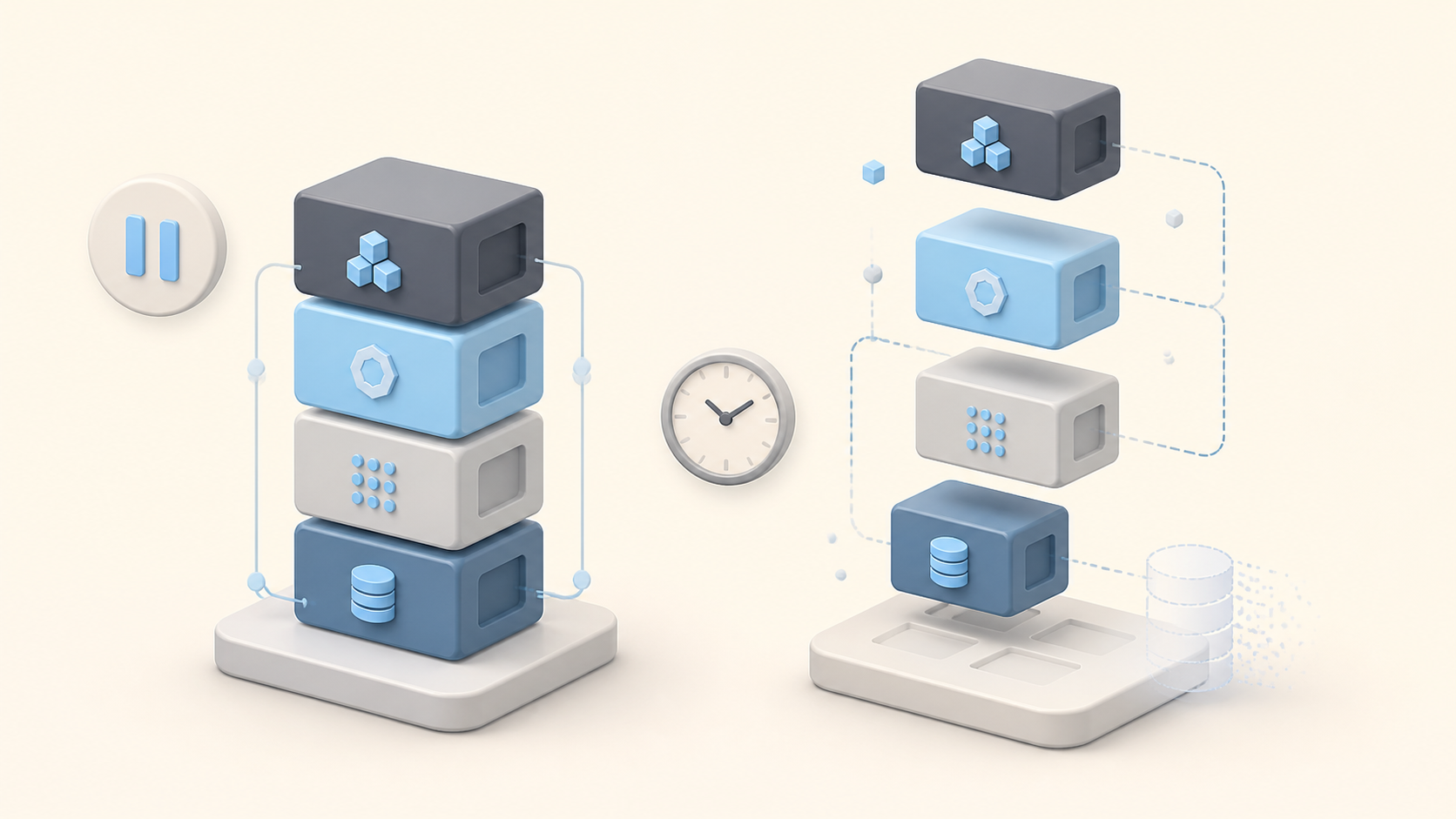
Unlike traditional virtual machines, Docker containers share the host operating system’s kernel, making them more efficient and faster to start. This efficiency is particularly beneficial in microservices architectures, where applications are broken down into smaller, independently deployable services. Docker Engine acts as the runtime that manages container lifecycle, image building, and communication between containers and the host system. Additionally, Docker’s layered file system allows for efficient storage and sharing of images, reducing redundancy and speeding up deployment times.
Core Components of Docker Engine
Docker Engine consists of three main components:
- Docker Daemon (dockerd): This is the background service responsible for managing Docker objects such as images, containers, networks, and volumes. It listens for API requests and handles the creation, running, and monitoring of containers.
- Docker CLI (Command Line Interface): The user interface that allows developers to interact with the Docker Daemon through commands. The CLI provides a rich set of commands for performing operations like building images, running containers, and managing networks, making it a powerful tool for developers.
- REST API: Enables programmatic interaction with the Docker Daemon, allowing integration with other tools and automation scripts. This API is crucial for building custom applications that can manage Docker containers programmatically, facilitating automation in CI/CD pipelines.
Together, these components provide a seamless experience for container management, from image creation to container orchestration. The modular architecture of Docker Engine allows for easy integration with other tools in the DevOps ecosystem, such as Kubernetes for orchestration and Docker Compose for defining multi-container applications. This flexibility empowers teams to adopt containerization at their own pace, enhancing collaboration and accelerating the software development lifecycle.
How Docker Engine Works: A Closer Look
Understanding Docker Engine’s workflow helps clarify why it’s so effective in streamlining application deployment.
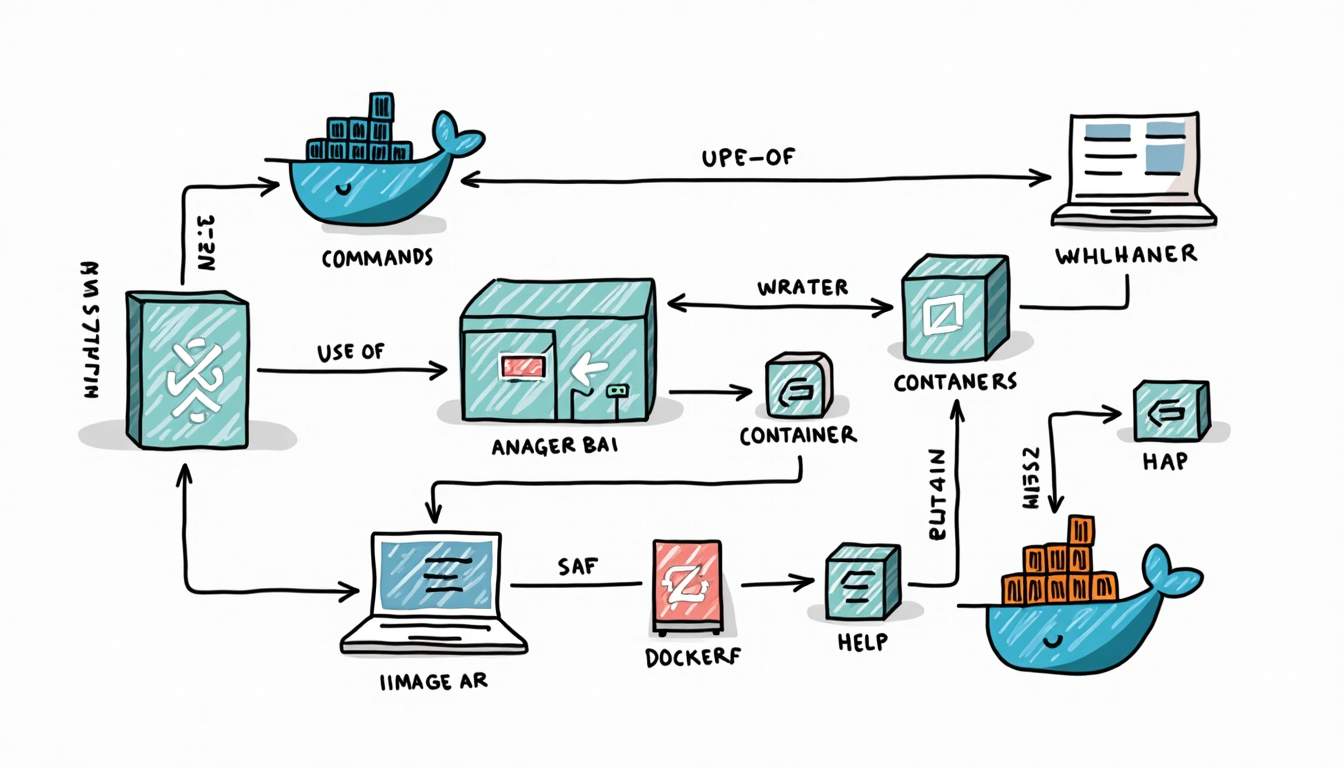
Image Creation and Management
Docker Engine starts with images, which are read-only templates containing an application and its dependencies. Developers write Dockerfiles—scripts that specify how to build these images. The Docker Engine reads the Dockerfile, executes the instructions, and produces an image.
Images can be stored and shared via registries like Docker Hub, which recently reported an astonishing 242 billion pulls by July 2024, nearly doubling in just six months. This growth underscores the platform’s widespread adoption and the central role Docker images play in modern development workflows. Additionally, developers can create custom images tailored to specific applications, allowing for unique configurations and optimizations that enhance performance and security. This flexibility fosters a rich ecosystem of reusable components, enabling teams to collaborate more effectively by sharing images that include not only application code but also environment settings and libraries.
Container Lifecycle
Once an image is available, Docker Engine can instantiate containers—isolated runtime environments that execute the packaged application. Containers are lightweight because they share the host OS kernel but maintain process isolation, ensuring consistency across different environments.
The Docker Daemon manages container lifecycle operations such as starting, stopping, restarting, and deleting containers. It also handles networking and storage, enabling containers to communicate and persist data as needed. Furthermore, the Daemon can monitor container health and performance, automatically restarting containers if they fail or become unresponsive. This self-healing capability is crucial for maintaining high availability in production environments, allowing developers to focus on building features rather than managing infrastructure.
Resource Efficiency and Portability
Because containers share the host OS kernel, they consume fewer resources than traditional virtual machines. This efficiency allows running multiple containers on a single host without significant overhead.
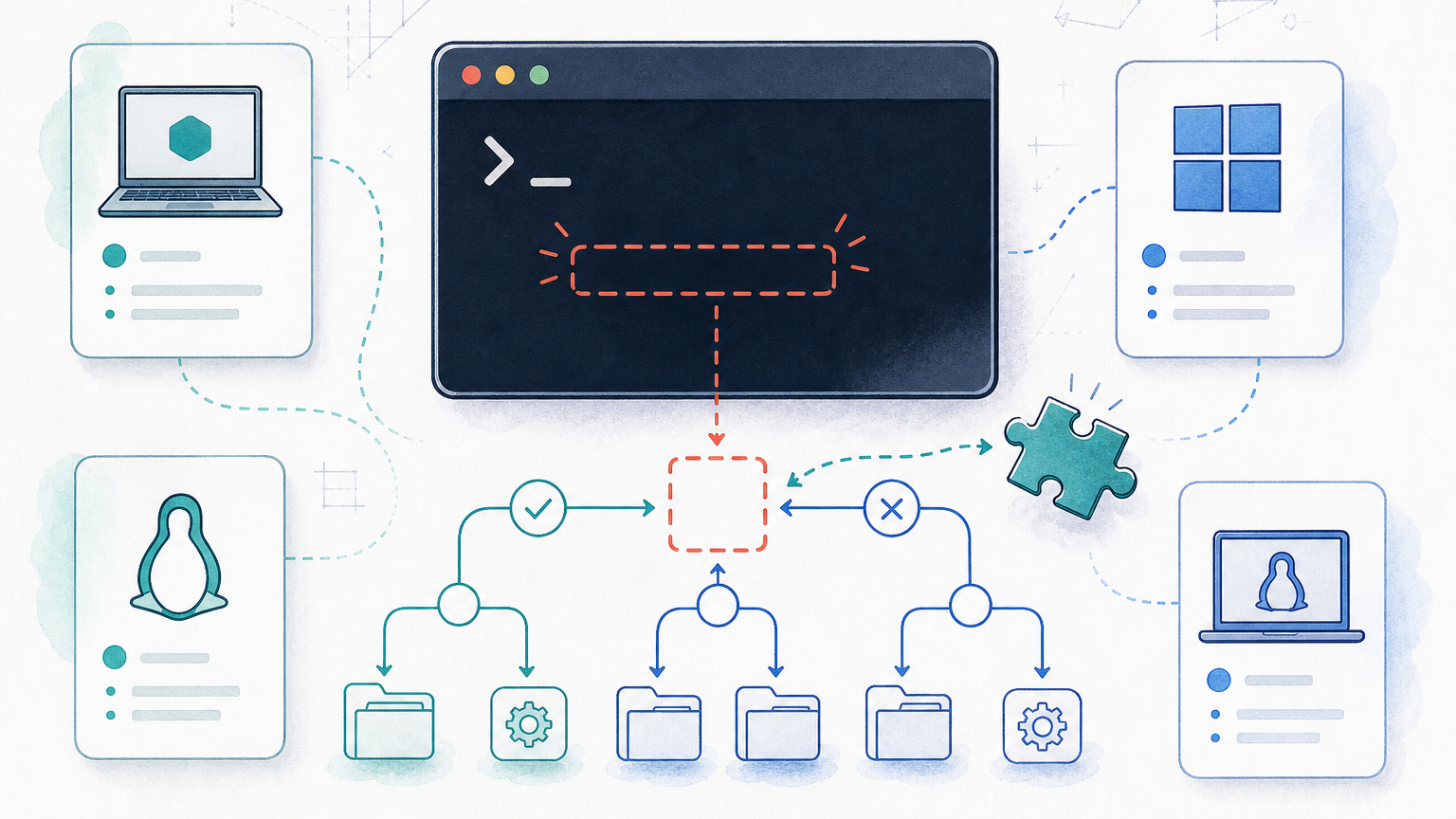
Moreover, containers encapsulate all dependencies, ensuring that applications run identically regardless of where they are deployed. This portability reduces the classic “it works on my machine” problem, accelerating development and deployment cycles. The ability to run containers on various platforms—whether on-premises, in the cloud, or on edge devices—further enhances their appeal. As organizations adopt microservices architectures, the ability to seamlessly move containers across different environments becomes vital, allowing for rapid scaling and flexibility in resource allocation. This adaptability not only streamlines workflows but also empowers teams to innovate faster, responding to market demands with agility and precision.
The Growing Importance of Docker Engine in Software Development
Docker Engine’s role extends beyond simple container management; it is a catalyst for innovation in software development and IT operations.
Driving Developer Productivity and Faster Time-to-Market
According to Forrester’s Total Economic Impact™ study commissioned by Docker, organizations using Docker experience a 6% increase in application developer productivity. Additionally, these organizations achieve a 3-month faster time-to-market for revenue-generating applications. These improvements highlight Docker Engine’s ability to streamline workflows and reduce bottlenecks in the development lifecycle. By allowing developers to create, test, and deploy applications in isolated environments, Docker minimizes the “it works on my machine” syndrome, which has long plagued software development teams. This isolation ensures that applications run consistently across different environments, from development to production, thereby enhancing collaboration and reducing the time spent on troubleshooting.
Embracing AI in Containerized Development
Docker’s AI Trends Report 2024 reveals that 64% of developers are leveraging AI for tasks such as coding, documentation, and research. This integration of AI with container technology is transforming how applications are built and maintained. Docker Engine supports this shift by providing a stable, consistent environment where AI-driven tools can operate efficiently. Moreover, as AI models become increasingly complex, the need for scalable and reproducible environments becomes paramount. Docker’s containerization allows developers to package their AI models along with their dependencies, ensuring that they can be deployed seamlessly in various environments without compatibility issues. This capability not only accelerates the development of AI applications but also facilitates easier collaboration among data scientists and software engineers.
Widespread Adoption and Industry Trends
Docker’s 2026 State of Application Development Report shows that 92% of IT industry respondents now use containers, up from 80% in 2024. This rapid adoption reflects Docker Engine’s critical role in modern infrastructure strategies, including microservices architectures, continuous integration/continuous deployment (CI/CD), and cloud-native applications. The shift towards microservices allows organizations to break down monolithic applications into smaller, manageable pieces, each running in its own container. This modular approach not only enhances scalability but also improves fault isolation, enabling teams to deploy updates independently without affecting the entire system. Furthermore, as cloud providers continue to optimize their services for container orchestration, such as Kubernetes, the synergy between Docker and these platforms is driving even greater efficiencies in resource utilization and application performance.
Security Considerations and Best Practices
While Docker Engine offers numerous benefits, security remains a paramount concern for containerized environments.
Vulnerabilities in Docker Images
An analysis of 2,500 Docker Hub images found that certified images—the ones often trusted by developers—are among the most vulnerable. This finding underscores the importance of rigorous security practices when building and deploying containers. Users should regularly scan images for vulnerabilities and apply updates promptly.
Optimizing Dockerfiles to Reduce Image Size and Risks
A recent empirical study identified 14 common Dockerfile “smells” that can increase image size by an average of 48.06 MB (4.6%). Larger images not only consume more storage but can also increase the attack surface. Following best practices in Dockerfile creation—such as minimizing layers, using official base images, and removing unnecessary files—can improve security and efficiency.
The Future of Docker Engine and Monitoring Solutions
As Docker Engine adoption grows, so does the need for advanced monitoring and management tools.
Market Growth in Docker Monitoring
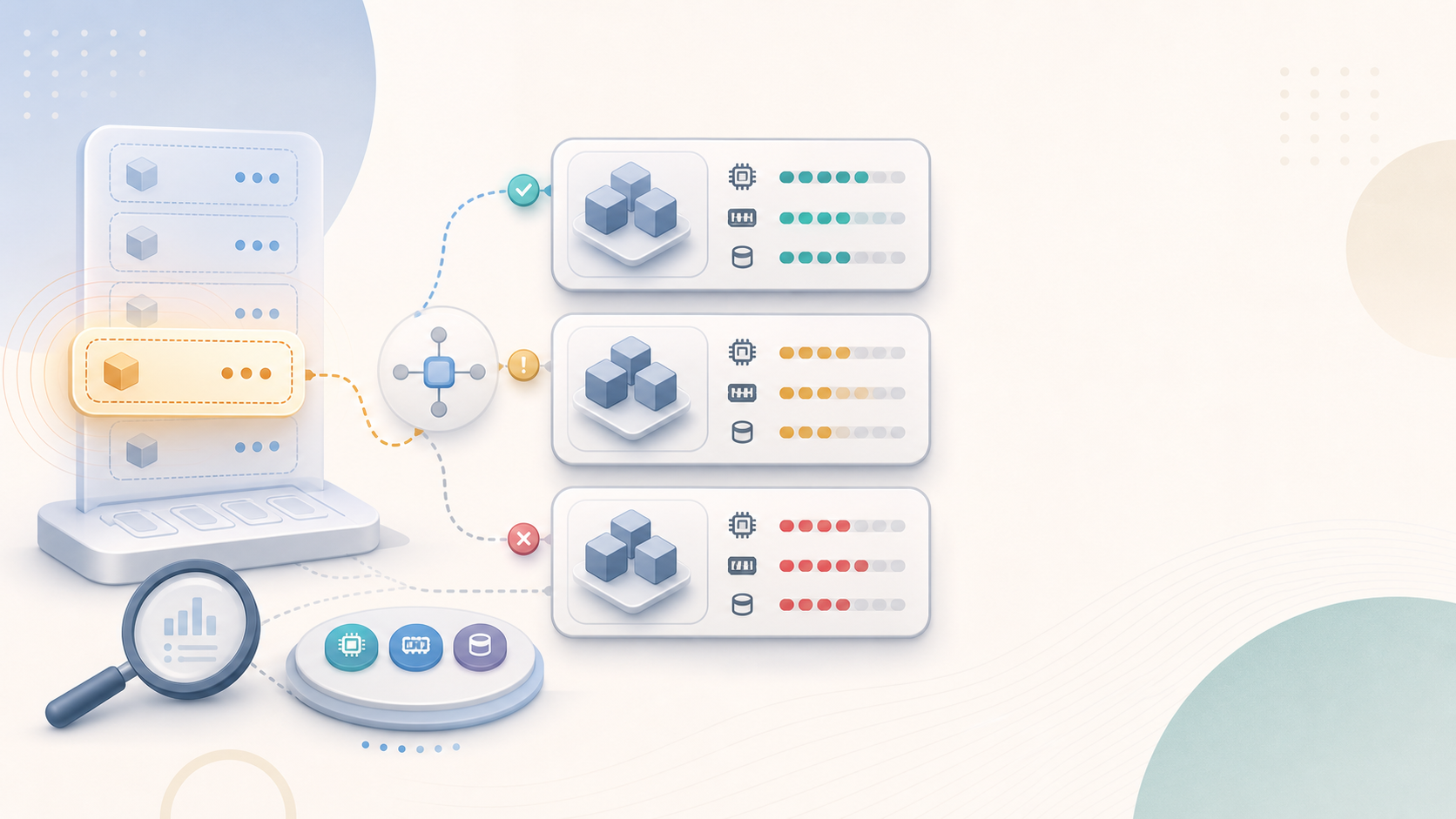
The Docker Monitoring Market is experiencing significant expansion, driven by demand for real-time analytics and multi-environment compatibility. Vendors are innovating to provide insights into container performance, resource usage, and security, helping organizations maintain robust and reliable containerized applications.
Integration with Cloud and AI Technologies
Looking ahead, Docker Engine is poised to deepen its integration with cloud platforms and AI-driven development tools. This convergence will empower developers to build smarter, more scalable applications while maintaining control and consistency across complex environments.
Conclusion
Docker Engine is more than just a container runtime; it is a foundational technology reshaping how software is developed, deployed, and managed. Its efficiency, portability, and robust ecosystem have made it a cornerstone of modern application development.

With the container market projected to reach USD 16.32 billion by 2030, growing at a 21.67% CAGR, Docker Engine’s relevance is set to increase even further. By understanding how Docker Engine works and embracing best practices, organizations can unlock significant productivity gains, accelerate time-to-market, and build secure, scalable applications that meet today’s dynamic business demands.
For developers and IT leaders alike, mastering Docker Engine is essential to staying competitive in the fast-paced world of software innovation.

Leave a Reply