


Amazon Web Services (AWS) stands as a titan in the cloud computing world, powering businesses, startups, and enterprises with a vast array of compute services tailored to diverse needs. Whether you’re running simple web applications or complex high-performance computing workloads, AWS offers flexible, scalable, and cost-effective solutions. This comprehensive guide dives into the core AWS compute services, their unique features, and how they fit into today’s rapidly evolving cloud landscape.
Understanding AWS Compute Services
At its core, compute services provide the processing power needed to run applications and workloads in the cloud. AWS offers a broad spectrum of compute options, enabling users to select the best fit based on performance, cost, and operational requirements.
From virtual servers to container orchestration and serverless computing, AWS’s portfolio is designed to accommodate everything from traditional IT workloads to cutting-edge AI and machine learning applications. The ongoing growth of cloud adoption has been a significant economic driver, contributing over $1 trillion to the global GDP in 2023, with cloud-enabled AI alone generating nearly $100 billion, underscoring the critical role of compute services in this ecosystem.
Key AWS Compute Offerings
AWS compute services can be broadly categorized into three main types:
- Virtual Servers (EC2): Elastic Compute Cloud (EC2) provides resizable compute capacity in the cloud, allowing users to launch virtual machines with customizable configurations.
- Containers (ECS, EKS, Fargate): AWS supports containerized applications through services like Elastic Container Service (ECS), Elastic Kubernetes Service (EKS), and Fargate for serverless containers.
- Serverless Computing (Lambda): AWS Lambda offers event-driven, serverless compute where code runs in response to triggers without the need to manage servers.
Each of these compute services is designed with scalability and flexibility in mind, allowing businesses to adapt to changing demands without significant upfront investment. For instance, EC2 instances can be scaled up or down based on traffic patterns, ensuring that users only pay for what they need, which is particularly beneficial for businesses with fluctuating workloads. This elasticity not only enhances operational efficiency but also contributes to cost savings, making it an attractive option for startups and enterprises alike.
Moreover, the integration of AWS compute services with other AWS offerings, such as storage solutions like Amazon S3 and databases like Amazon RDS, creates a robust ecosystem that supports a wide range of applications. This interconnectedness enables developers to build, deploy, and manage applications seamlessly, leveraging the full power of the cloud. As organizations increasingly shift towards microservices architectures, the ability to orchestrate and manage containerized applications through ECS and EKS becomes paramount, facilitating rapid development cycles and improving time-to-market for new features and products.
Amazon EC2: The Backbone of AWS Compute
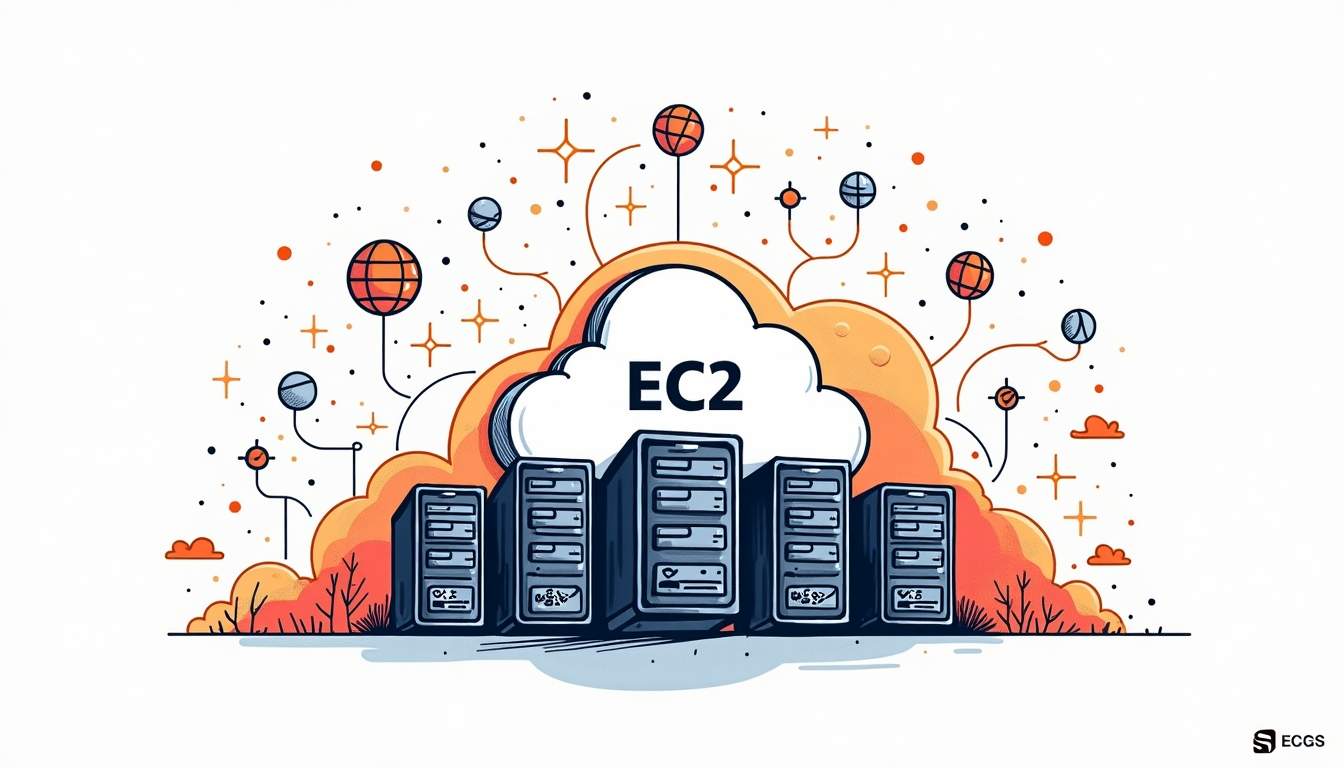
Amazon EC2 remains the most widely used AWS compute service, offering virtual machines known as instances. These instances come in various types optimized for different use cases—compute-intensive, memory-optimized, storage-optimized, and even specialized instances for machine learning and graphics processing. The flexibility of EC2 allows businesses to scale their resources up or down based on demand, ensuring that they only pay for what they use. This elasticity is particularly beneficial for startups and enterprises alike, enabling them to innovate rapidly without the burden of heavy upfront infrastructure costs.
One notable trend in compute instance technology is the growing adoption of ARM-based processors, which provide superior price-performance ratios for cost-sensitive workloads. A recent comparative study across major cloud providers, including AWS, highlighted ARM instances as a compelling choice for businesses aiming to optimize costs without sacrificing performance. Moreover, the introduction of Graviton processors by AWS has further enhanced the appeal of ARM architecture, allowing developers to run workloads more efficiently while benefiting from lower power consumption and reduced operational costs.
High-Performance Computing and Edge Integration
Modern workloads often demand high-performance computing (HPC) capabilities and edge computing integration. AWS has responded by enabling 25% of real-world cloud architectures to incorporate HPC or edge components, reflecting the increasing importance of these technologies in cloud environments. This shift is not merely a trend; it represents a fundamental change in how data is processed and analyzed, with edge computing allowing for data to be processed closer to its source, thereby reducing latency and improving response times.
This integration is crucial for industries like scientific research, financial modeling, and media rendering, where massive computational power and low-latency processing are essential. AWS’s ability to support these advanced architectures contributes significantly to its leadership in the cloud market. Furthermore, the combination of EC2 with services like AWS Lambda and AWS Outposts enables organizations to create hybrid environments that leverage both cloud and on-premises resources, providing unparalleled flexibility and control over their computing strategies. This capability is particularly useful for businesses that require stringent compliance and data sovereignty measures while still wanting to harness the power of cloud computing.
Containers: Flexible and Scalable Application Deployment
Containers have revolutionized application development by allowing developers to package applications with their dependencies into portable units. AWS offers multiple services to manage and orchestrate containers effectively.
Elastic Container Service (ECS) and Elastic Kubernetes Service (EKS)
ECS is a fully managed container orchestration service that simplifies running containerized applications at scale. For organizations preferring Kubernetes, AWS provides EKS, a managed Kubernetes service that handles the complexities of cluster management, scaling, and upgrades.
Both services integrate seamlessly with other AWS offerings, such as networking, security, and monitoring tools, providing a robust environment for containerized workloads. This integration not only enhances operational efficiency but also ensures that applications can leverage AWS’s powerful security features, such as IAM roles and security groups, to protect sensitive data and maintain compliance with industry regulations. Additionally, the monitoring capabilities provided by AWS CloudWatch allow developers to gain insights into application performance and resource utilization, enabling proactive management of containerized applications.
Serverless Containers with AWS Fargate
Fargate takes container management a step further by offering serverless compute for containers. It eliminates the need to provision and manage servers, allowing developers to focus solely on building applications. This model aligns well with the increasing demand for agility and operational simplicity in cloud computing. By automatically scaling resources based on application needs, Fargate enables developers to optimize costs and improve application performance without the overhead of manual intervention.
Moreover, Fargate supports a variety of use cases, from microservices architectures to batch processing jobs, making it a versatile choice for organizations of all sizes. The ability to run containers without managing the underlying infrastructure allows teams to adopt DevOps practices more effectively, facilitating continuous integration and continuous deployment (CI/CD) pipelines. This not only accelerates the development lifecycle but also enhances collaboration between development and operations teams, driving innovation and responsiveness to market demands.
Serverless Computing with AWS Lambda
AWS Lambda represents the serverless paradigm, where code runs in response to events without the overhead of managing infrastructure. This service is ideal for microservices architectures, real-time data processing, and automating workflows.
Lambda’s pay-as-you-go pricing model ensures cost efficiency, as users are billed only for the compute time consumed. Its integration with numerous AWS services and third-party applications makes it a versatile tool for developers.
The Strategic Importance of AWS Compute Services
AWS’s dominance in the cloud infrastructure market is not just a matter of scale but also of strategic foresight. In Q2 2026, AWS reported an impressive 18% revenue growth, maintaining its leadership position despite increasing competition in the AI-driven cloud landscape.
Moreover, AWS’s operating income of $10.2 billion in the same quarter contributed significantly to Amazon’s total operating income, highlighting the profitability and critical role of compute services in the company’s overall business.
AI Infrastructure and Future-Proofing
One of the driving forces behind AWS’s continued investment in compute capacity is the growing demand for AI infrastructure. Sid Nag, VP analyst at Gartner, emphasized that the risk of not having AI infrastructure available when needed outweighs the risk of building it preemptively.
This proactive approach ensures that AWS customers can leverage cutting-edge AI and machine learning capabilities without delay, reinforcing AWS’s position as a preferred cloud provider for AI workloads.
Industry Recognition and Market Leadership
Gartner’s 2024 Magic Quadrant for Strategic Cloud Platform Services recognized AWS as a Leader for the 14th consecutive year, placing it highest in Ability to Execute. This accolade reflects AWS’s consistent innovation, operational excellence, and customer satisfaction in the compute services domain.
Choosing the Right AWS Compute Service for Your Needs
Selecting the appropriate compute service depends on various factors, including workload characteristics, scalability requirements, cost considerations, and operational preferences.

When to Use EC2
EC2 is ideal for applications requiring full control over the operating system and environment, such as legacy applications, custom software stacks, and workloads demanding specialized hardware.
When to Use Containers
Containers suit microservices architectures, continuous integration and deployment pipelines, and applications needing rapid scaling and portability. ECS and EKS offer managed orchestration, while Fargate simplifies operations with serverless containers.
When to Use Lambda
Lambda fits event-driven applications, lightweight APIs, and automation tasks where infrastructure management overhead is undesirable. Its serverless nature enables rapid development and cost-effective scaling.
Conclusion
AWS compute services form the backbone of modern cloud computing, offering a diverse portfolio to meet the evolving demands of businesses worldwide. From the flexibility of EC2 instances to the agility of containers and the simplicity of serverless computing, AWS empowers organizations to innovate faster and operate more efficiently.
As cloud adoption continues to accelerate—contributing trillions to the global economy and enabling transformative AI applications—the strategic selection and effective use of AWS compute services become paramount. Understanding the strengths and ideal use cases of each compute option helps businesses harness the full potential of the cloud, driving growth and competitive advantage in today’s digital era.

Leave a Reply