


In the rapidly evolving world of cloud computing, containerization has become a cornerstone technology for deploying scalable and efficient applications. AWS Fargate stands out as a powerful solution that simplifies container management by offering a serverless compute engine for containers. This beginner’s guide will introduce you to AWS Fargate, explain its core benefits, and provide insights into how it fits into the broader container ecosystem.
What is AWS Fargate?
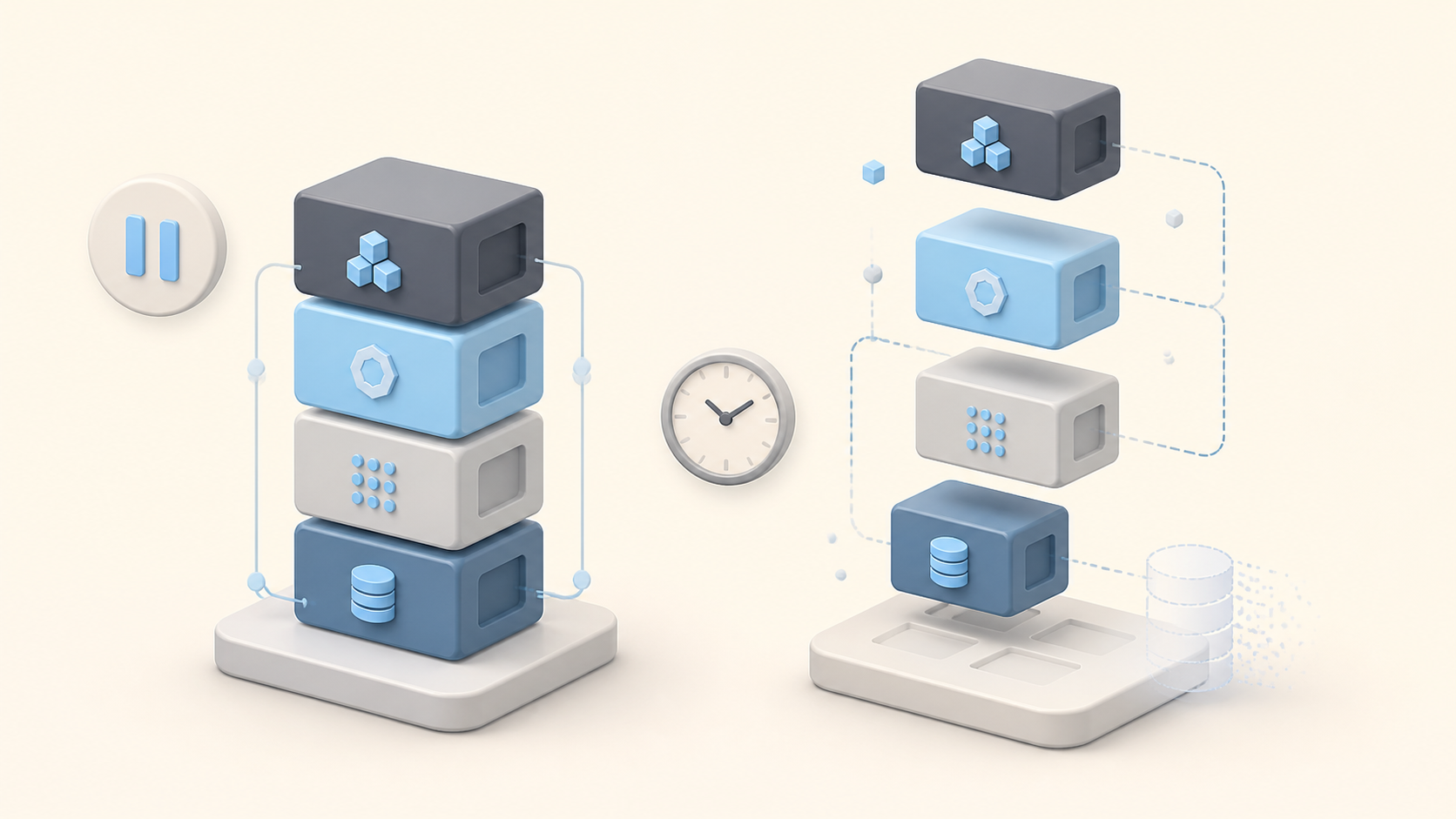
AWS Fargate is a serverless compute engine designed specifically for containers. It allows developers to run containers without having to manage the underlying infrastructure. Traditionally, running containers required provisioning and managing virtual machines or servers, which could be complex and time-consuming. Fargate abstracts these operational tasks, enabling teams to focus purely on building and deploying applications.

With Fargate, you simply define your container requirements, such as CPU and memory, and AWS handles the rest—scaling, patching, and securing the infrastructure automatically. This makes it an attractive choice for organizations looking to accelerate development cycles and reduce operational overhead.
One of the standout features of AWS Fargate is its seamless integration with other AWS services, such as Amazon ECS (Elastic Container Service) and Amazon EKS (Elastic Kubernetes Service). This integration allows developers to easily manage their containerized applications and orchestrate them using familiar tools and workflows. For instance, using Fargate with Amazon ECS, teams can deploy microservices architectures efficiently, as they can define service dependencies and deployment strategies without worrying about the underlying server management.
Moreover, Fargate supports a variety of use cases, from running simple web applications to complex machine learning workloads. It provides the flexibility to run single containers or entire clusters, adapting to the needs of the application. This versatility, combined with AWS’s robust security features, such as IAM roles and VPC integration, ensures that applications can be deployed securely and at scale. As organizations continue to embrace cloud-native architectures, AWS Fargate stands out as a powerful solution for simplifying container management and enhancing operational efficiency.
How AWS Fargate Works
Integration with Amazon ECS and EKS
AWS Fargate integrates seamlessly with Amazon Elastic Container Service (ECS) and Amazon Elastic Kubernetes Service (EKS). Whether you prefer ECS’s native AWS experience or Kubernetes’s open-source orchestration, Fargate provides the serverless compute layer to run your containers.
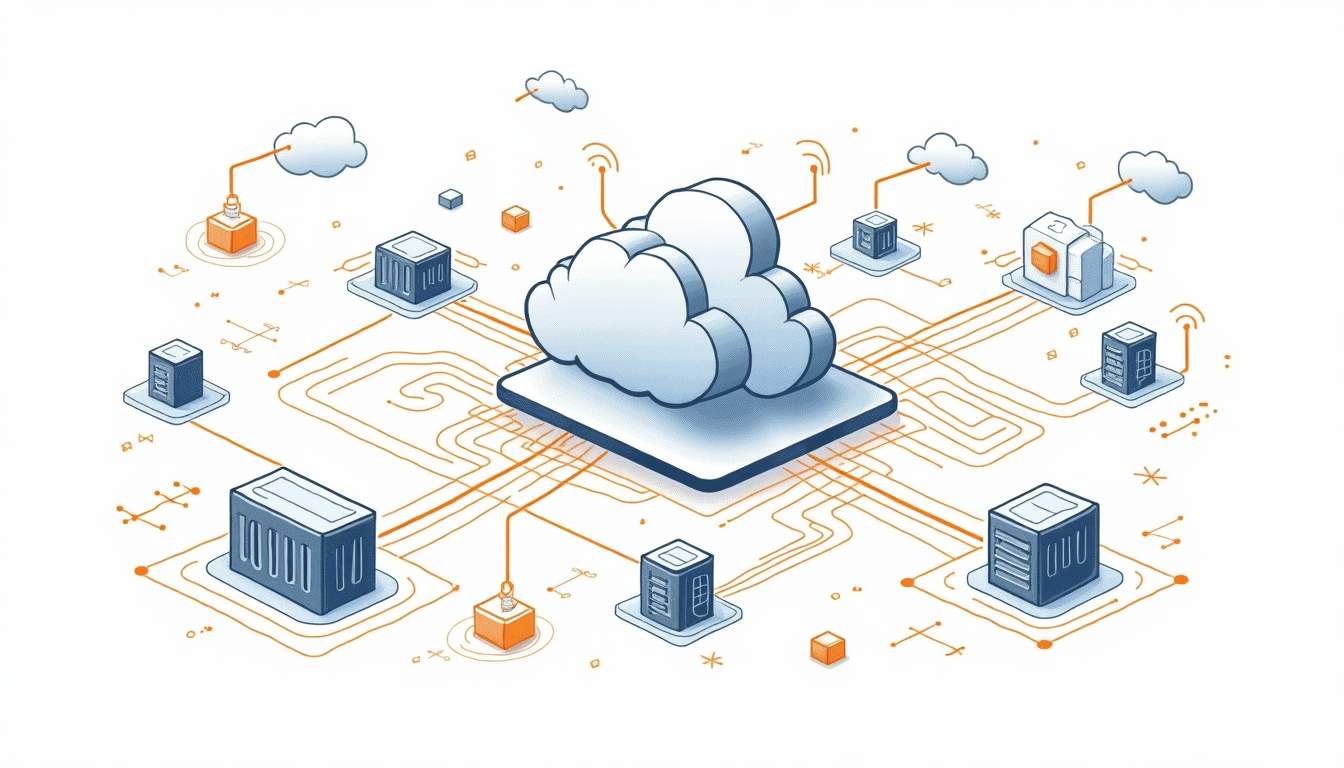
When deploying containers on ECS or EKS with Fargate, you no longer need to provision or manage EC2 instances. Instead, you specify the container image and resource requirements, and Fargate launches the containers on your behalf. This approach simplifies cluster management and removes the need to worry about server capacity planning. Additionally, Fargate supports a wide range of container images, allowing developers to leverage existing applications or create new ones without being constrained by the underlying infrastructure.
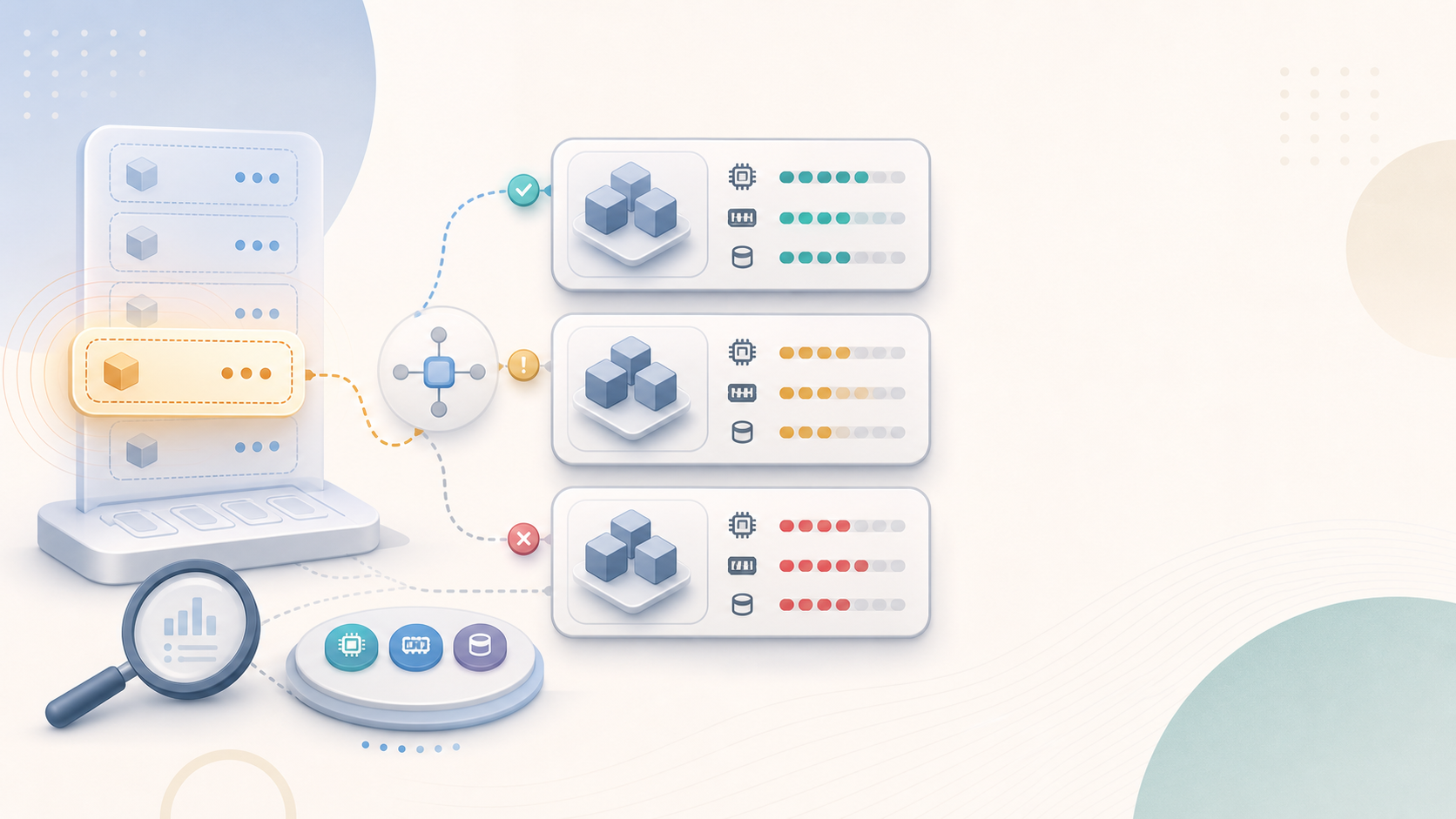
Fargate also offers robust integration with other AWS services, such as Amazon CloudWatch for monitoring and logging, enabling developers to gain insights into their applications’ performance and behavior. This integration ensures that you can maintain high availability and quickly respond to any issues that may arise, making it an ideal choice for dynamic workloads.
Serverless Container Management
Fargate’s serverless nature means it automatically handles scaling and infrastructure management. As your application demand fluctuates, Fargate scales containers up or down without manual intervention. This elasticity ensures efficient resource utilization and cost-effectiveness. Furthermore, Fargate allows you to define scaling policies based on metrics like CPU and memory usage, ensuring that your application can handle sudden spikes in traffic without compromising performance.
Moreover, Fargate isolates each task or pod at the infrastructure level, enhancing security by reducing the attack surface compared to traditional shared host environments. This isolation not only helps in maintaining compliance with security standards but also simplifies the deployment of multi-tenant applications. With Fargate, you can run different applications or services on the same infrastructure without worrying about interference or resource contention, making it an excellent choice for organizations looking to optimize their cloud resources while maintaining strict security protocols.
Key Benefits of Using AWS Fargate
Reduced Operational Complexity
One of the most compelling advantages of AWS Fargate is the elimination of infrastructure provisioning and management. According to a Head of Infrastructure at Teamcore, “The best thing about AWS Fargate is that I don’t need to worry about the proper provisioning of infrastructure for my task, and it’s very fast in terms of scaling my containers; it’s much faster than other solutions.” This highlights how Fargate accelerates deployment times and reduces the operational burden on engineering teams. By abstracting away the underlying infrastructure, developers can concentrate on writing code and deploying applications without getting bogged down by the complexities of server management. This shift not only enhances productivity but also fosters a culture of agility within teams, allowing them to respond to changing business needs more swiftly.
Cost Efficiency and Workforce Productivity
Serverless technologies like AWS Fargate contribute significantly to cost savings. A 2024 study by S&P Global Market Intelligence found that organizations adopting serverless solutions achieved a 35% annual cost reduction, with 86% of these savings attributed to workforce-related benefits. By offloading infrastructure management, teams can focus on strategic initiatives rather than routine maintenance, driving innovation and productivity. Furthermore, Fargate’s pay-as-you-go pricing model means that businesses only pay for the resources they actually use, eliminating the need for over-provisioning and reducing waste. This financial flexibility allows organizations to allocate budgets more effectively, investing in new projects or enhancing existing services without the fear of incurring unnecessary costs.
Improved Application Resilience
In December 2024, Amazon ECS introduced network fault injection experiments on AWS Fargate, enabling developers to simulate network disruptions and test application resilience. This capability allows teams to proactively identify weaknesses and improve the robustness of their containerized applications, a critical feature for mission-critical workloads. By incorporating chaos engineering principles, developers can better understand how their applications behave under stress, leading to improved fault tolerance and recovery strategies. Additionally, this feature empowers organizations to build more reliable systems that can withstand unexpected challenges, ensuring a smoother user experience and maintaining trust with customers. The ability to test and refine applications in a controlled environment ultimately leads to higher quality software and reduced downtime, which is essential in today’s fast-paced digital landscape.
Use Cases for AWS Fargate
Microservices and Modern Application Architectures
Fargate is well-suited for microservices architectures, where applications are broken down into smaller, independently deployable services. Its serverless nature allows each microservice to scale independently based on demand, improving overall system efficiency and responsiveness.
Developers can deploy and update services quickly without worrying about the underlying infrastructure, making it easier to adopt continuous integration and continuous deployment (CI/CD) practices.
Batch Processing and Data Workloads
Serverless containers on Fargate can also be leveraged for batch processing jobs and data pipelines. A 2026 study titled “An Empirical Evaluation of Serverless Cloud Infrastructure for Large-Scale Data Processing” analyzed serverless infrastructure’s performance and cost characteristics, demonstrating its viability for data-intensive workloads with predictable performance boundaries.
Organizations can run large-scale data processing tasks without managing clusters or servers, reducing complexity and improving agility.
Startups and Agile Development Teams
Startups and agile teams benefit from Fargate’s pay-as-you-go pricing and simplified operations. Without the need for upfront infrastructure investment, teams can experiment and iterate rapidly, scaling their applications as they grow.
Market Trends and Industry Insights
Growth of Container as a Service Market
The global Container as a Service (CaaS) market is projected to grow at a compound annual growth rate (CAGR) of approximately 15%, expanding from around $12 billion in 2026 to about $45 billion by 2032. This rapid growth underscores the increasing adoption of container-based solutions and the demand for serverless container platforms like AWS Fargate.
Adoption and Mindshare
Despite its advantages, AWS Fargate’s mindshare in the Compute Service category saw a decline from 18.5% in 2024 to 12.7% in 2026, according to PeerSpot user engagement data. This shift may reflect the competitive landscape of cloud compute services and the evolving preferences of cloud users.
Nonetheless, Fargate remains a significant player, especially given that serverless compute services—including Amazon EC2, AWS Lambda, and AWS Fargate—account for 53% of total AWS compute spend, as reported by ProsperOps in 2026. This highlights the critical role of serverless technologies in modern cloud infrastructure.
Getting Started with AWS Fargate
Prerequisites and Setup
To start using AWS Fargate, you need an AWS account and familiarity with container concepts. You should have container images stored in a registry such as Amazon Elastic Container Registry (ECR) or Docker Hub.
Next, choose your orchestration platform—Amazon ECS or Amazon EKS—and configure your task definitions or pod specifications. AWS provides extensive documentation and tutorials to guide beginners through this process.
Best Practices for Beginners
When starting with Fargate, it’s important to define resource requirements accurately to optimize cost and performance. Over-provisioning CPU or memory can lead to unnecessary expenses, while under-provisioning may cause application instability.
Leverage AWS monitoring tools like CloudWatch to track container performance and set alerts for anomalies. Additionally, consider implementing fault injection experiments to test your application’s resilience under network disruptions, a feature recently added to Fargate.
Conclusion
AWS Fargate offers a compelling solution for running containers in a serverless environment, removing the complexity of infrastructure management and enabling developers to focus on application innovation. Its integration with popular orchestration platforms, cost efficiency, and scalability make it an ideal choice for organizations of all sizes.
As the container market continues to grow rapidly, and serverless technologies demonstrate clear benefits in cost savings and productivity, AWS Fargate is poised to remain a key player in the cloud computing landscape. Whether you are a startup, an enterprise, or a data-driven organization, understanding and leveraging AWS Fargate can significantly enhance your cloud strategy.

Leave a Reply