


In today’s fast-paced software development landscape, delivering high-quality products rapidly and reliably is paramount. DevOps testing has emerged as a critical practice to bridge the gap between development and operations, ensuring continuous integration, delivery, and deployment with robust quality assurance. This comprehensive guide explores the best practices and essential tools for DevOps testing, backed by the latest industry insights and trends.
Understanding DevOps Testing and Its Importance
DevOps testing integrates testing activities into the continuous development and deployment pipeline, fostering collaboration between development, QA, and operations teams. Unlike traditional testing, which often occurs late in the development cycle, DevOps testing emphasizes continuous testing throughout the software lifecycle.

This shift-left approach—integrating testing early in development—has gained widespread acceptance, with 82% of testers agreeing it improves product quality significantly. By embedding testing into every stage, organizations can identify defects sooner, reduce rework, and accelerate release cycles.
Moreover, DevOps testing supports automation and continuous feedback, enabling teams to maintain high standards while adapting quickly to changing requirements. With 78% of QA teams worldwide adopting DevOps practices to enhance testing efficiency, it’s clear that this methodology is becoming the industry norm.
One of the key benefits of DevOps testing is its ability to facilitate a culture of shared responsibility among team members. In a traditional setup, testing is often viewed as the sole responsibility of the QA team, which can lead to a disconnect between development and testing phases. However, in a DevOps environment, developers are encouraged to take ownership of quality from the outset, resulting in a more cohesive team dynamic. This collaborative mindset not only enhances communication but also fosters a sense of accountability, where everyone is invested in delivering a high-quality product.
Additionally, the implementation of advanced testing tools and frameworks within the DevOps pipeline allows for more sophisticated testing strategies. Techniques such as test-driven development (TDD) and behavior-driven development (BDD) enable teams to write tests before the actual code is developed, ensuring that the software meets user expectations from the very beginning. This proactive approach not only minimizes the risk of defects but also aligns development efforts closely with business objectives, ultimately leading to a more successful product launch.
“`html
Key Best Practices for Effective DevOps Testing
1. Embrace Continuous Testing
Continuous testing is the backbone of DevOps, involving automated testing at every stage of the CI/CD pipeline. Approximately 65% of organizations now perform continuous testing as part of their DevOps processes, underscoring its critical role in maintaining software quality.
By automating unit, integration, performance, and security tests, teams can detect issues immediately after code changes, preventing defects from propagating downstream. This practice not only shortens feedback loops but also supports faster recovery from failures—an advantage experienced by 80% of organizations using DevOps workflows.
Moreover, continuous testing allows for more frequent releases, which is essential in today’s fast-paced digital landscape. As businesses strive to meet customer demands, the ability to release updates and new features quickly can be a significant competitive edge. This agility fosters a culture of innovation, where teams can experiment and iterate rapidly based on user feedback.
2. Implement Shift-Left Testing
Shift-left testing means moving testing activities earlier in the development lifecycle. This proactive approach helps identify defects when they are cheaper and easier to fix. Nearly 68% of organizations prioritize testing in early development stages, reflecting a strategic move toward higher quality and reduced costs.
Integrating testers into development teams and encouraging collaboration ensures that testing considerations influence design decisions, improving overall product robustness. This cultural shift is essential for successful DevOps adoption.
Additionally, shift-left testing promotes a mindset where quality is everyone’s responsibility, rather than just the testers’. By involving all team members in the testing process, organizations can cultivate a deeper understanding of quality metrics and foster a shared commitment to delivering exceptional products. This holistic approach not only enhances the end product but also boosts team morale and engagement.
3. Prioritize Automation and Tool Integration
Automation is indispensable in DevOps testing. The percentage of test cases automated in large enterprises has reached approximately 70%, highlighting the widespread reliance on automation frameworks such as Selenium WebDriver, Appium, and Robot Framework.
Automation accelerates testing cycles, reduces human error, and enables consistent execution of regression and performance tests. Integrating automated tests seamlessly into CI/CD pipelines ensures that every code change is validated before deployment, supporting the 85% of organizations that include CI/CD as a core component of their DevOps workflows.
Furthermore, the integration of AI and machine learning into testing tools is beginning to transform automation practices. These technologies can analyze vast amounts of testing data to predict potential failures and suggest optimizations, making the testing process not only faster but also smarter. As organizations adopt these advanced tools, they can achieve higher levels of efficiency and effectiveness in their testing efforts.
4. Use Containerized Testing Environments
Containerization has revolutionized testing by providing consistent, isolated environments that mirror production. The use of containerized testing environments increased by 50% in 2023, reflecting their growing importance in modern DevOps practices.
Containers enable parallel testing, reduce environment inconsistencies, and simplify dependency management, all of which contribute to faster and more reliable test execution.
Moreover, containerized environments facilitate the testing of microservices architectures, which are becoming increasingly prevalent in software development. By allowing teams to spin up and tear down environments quickly, containers support the agile development process and enable more thorough testing of individual services in isolation. This capability is crucial for maintaining the integrity of complex applications and ensuring seamless integration across services.
5. Foster Cross-Functional Collaboration
DevOps thrives on collaboration. With 66% of DevOps teams operating with cross-functional members, integrating developers, testers, and operations personnel fosters shared responsibility for quality and delivery.
This collaboration breaks down silos, encourages knowledge sharing, and aligns goals across teams, accelerating problem resolution and innovation.
Additionally, regular communication and joint planning sessions can lead to a more cohesive understanding of project objectives and challenges. By leveraging diverse skill sets and perspectives, teams can devise more comprehensive solutions to problems, ultimately leading to higher quality outputs. The collaborative environment also creates a culture of continuous improvement, where feedback is actively sought and utilized to enhance processes and products.
“`
Essential Tools for DevOps Testing
Choosing the right tools is crucial for implementing effective DevOps testing. The market for continuous integration tools alone is projected to grow from $2.27 billion in 2024 to $5.3 billion by 2028, reflecting rapid adoption and innovation in this space.

Continuous Integration and Continuous Delivery (CI/CD) Tools
CI/CD pipelines automate the building, testing, and deployment of applications. Popular tools include Jenkins, GitLab CI, CircleCI, and Azure DevOps. These platforms support automated testing integration, enabling teams to catch defects early and deploy with confidence.
Given that 80% of enterprises have integrated CI/CD pipelines to shorten release cycles and reduce human error by 50%, investing in robust CI/CD tooling is essential for any DevOps initiative.
Test Automation Frameworks
Automation frameworks such as Selenium WebDriver, Appium, and Robot Framework enable teams to create scalable and maintainable automated tests across web and mobile platforms. These tools help achieve the approximately 55% adoption rate of test automation frameworks among organizations.
Additionally, behavior-driven development (BDD) tools like Cucumber have seen a 45% increase in adoption, promoting collaboration between technical and non-technical stakeholders through readable test scenarios.
Performance and Security Testing Tools
Performance and security remain top priorities in testing, with industry surveys highlighting them alongside automation as critical focus areas. Tools like JMeter and Gatling are widely used for load and performance testing, while security testing tools such as OWASP ZAP and Burp Suite help identify vulnerabilities early.
Container and Environment Management Tools
Docker and Kubernetes have become standard for managing containerized test environments. Their ability to replicate production-like conditions ensures that tests are reliable and reproducible, reducing environment-related failures.
Trends Shaping the Future of DevOps Testing
Growing Market and Investment
The global DevOps market was valued at USD 5.7 billion in 2022 and is expected to grow at a compound annual growth rate (CAGR) of 20.7% through 2030. This growth is driven by increasing demand for faster software delivery and higher quality standards.
Moreover, 52% of organizations plan to increase their investment in automated testing within the next year, signaling continued emphasis on automation as a strategic priority.
Shift from Manual to Automated Testing
Manual testing activities have decreased dramatically from 80% in 2018 to about 45% in 2023. This shift reflects the growing confidence in automation to handle repetitive and regression tests, freeing human testers to focus on exploratory and usability testing.
Exploratory testing, now included in 55% of software testing projects, enhances defect detection by leveraging human intuition and creativity alongside automated checks.
Focus on User Experience and Usability Testing
As software becomes more user-centric, approximately 65% of QA teams incorporate usability testing into their quality assurance processes. This trend ensures that applications not only function correctly but also deliver a seamless and satisfying user experience.
Cloud-Based DevOps Tools and Microservices
Cloud adoption is integral to modern DevOps, with 65% of organizations utilizing cloud-based DevOps tools. Cloud platforms facilitate scalable, flexible testing environments and support microservices architectures, which are used in 65% of DevOps implementations.
Microservices enable modular testing and deployment, reducing risk and improving maintainability.
Conclusion
DevOps testing is a transformative approach that integrates continuous, automated, and collaborative testing practices into the software delivery pipeline. By embracing continuous testing, shift-left strategies, automation, containerization, and cross-functional collaboration, organizations can accelerate delivery while enhancing software quality.
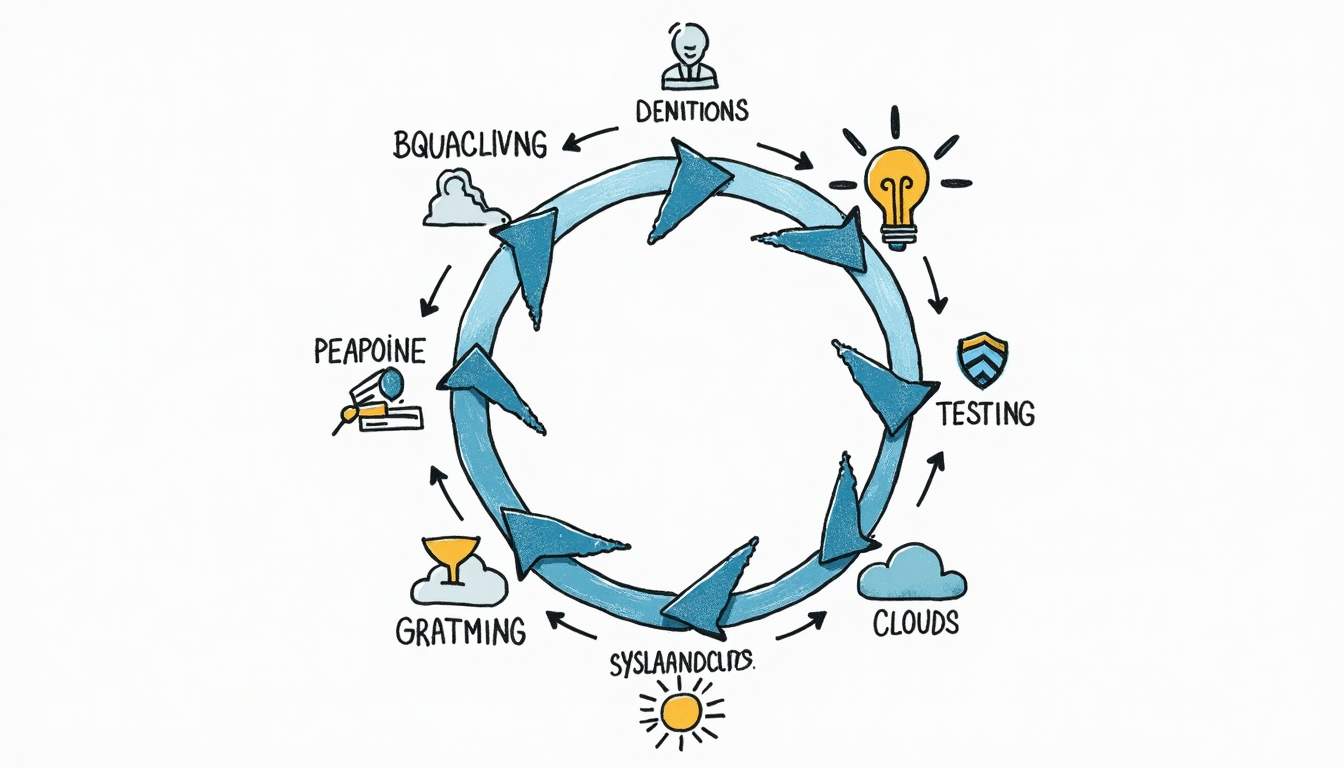
Investing in the right tools—from CI/CD platforms to automation frameworks and container management solutions—is essential to realize the full benefits of DevOps testing. As the market continues to grow and evolve, staying abreast of trends such as increased automation, cloud adoption, and user experience focus will position teams for success in delivering reliable, high-quality software.
With 78% of QA teams adopting DevOps practices and 85% of organizations integrating CI/CD pipelines, the evidence is clear: DevOps testing is not just a trend but a fundamental shift in how software quality is ensured in the digital age.






Leave a Reply