

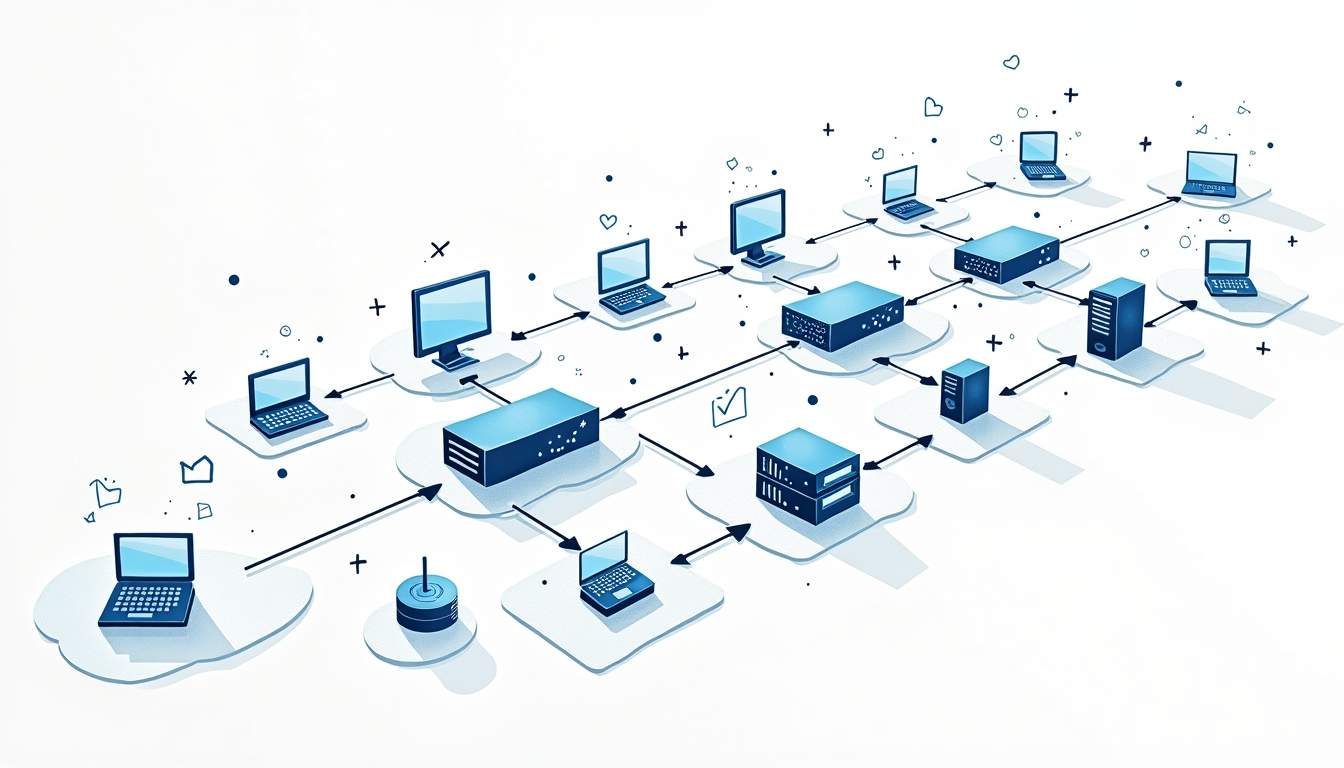
As the Network Engineering Services market is projected to experience robust growth from 2026 to 2032, the demand for skilled network engineers continues to rise. Preparing for interviews in this dynamic field requires a solid understanding of both foundational concepts and emerging technologies. This article provides a comprehensive guide to the top network engineering interview questions and answers for 2026, helping candidates showcase their expertise and readiness for the evolving industry landscape.
Understanding the OSI Model: The Foundation of Network Engineering
The OSI (Open Systems Interconnection) model remains a cornerstone in networking, serving as a conceptual framework to understand and standardize the functions of telecommunication and computing systems. Interviewers often test candidates’ knowledge of the OSI model to assess their grasp of network architecture and troubleshooting skills.
What is the OSI Model and Why is it Important?
The OSI model divides network communication into seven distinct layers, each with specific roles and responsibilities. This layered approach helps engineers isolate and troubleshoot network issues efficiently, ensuring smooth data transmission across complex systems.
According to experts, “The OSI model is a conceptual framework used to understand and standardize the functions of a telecommunication or computing system without regard to its underlying internal structure and technology.” This abstraction allows network engineers to focus on individual layers without needing to understand the entire system’s internal workings. Furthermore, the OSI model facilitates interoperability between different systems and technologies, which is crucial in a world where diverse devices and protocols must communicate seamlessly. By adhering to the OSI principles, organizations can ensure that their networks remain flexible and scalable, adapting to new technologies as they emerge.
Can You Name and Describe the Seven Layers of the OSI Model?
The seven layers of the OSI model are:
- Physical Layer: Deals with the transmission of raw bitstreams over a physical medium.
- Data Link Layer: Provides node-to-node data transfer and error detection.
- Network Layer: Handles routing and forwarding of data packets.
- Transport Layer: Ensures reliable data transfer and error recovery.
- Session Layer: Manages sessions and connections between applications.
- Presentation Layer: Translates data formats and encrypts/decrypts data.
- Application Layer: Interfaces directly with end-user applications.
Understanding these layers is critical, as many interview questions revolve around how data flows through these layers and how issues at each layer can be diagnosed and resolved. Each layer not only interacts with the layers directly above and below it but also plays a vital role in the overall functionality of the network. For instance, the Transport Layer is responsible for ensuring that data packets are sent and received in the correct order, while the Presentation Layer might convert data into a format that the Application Layer can understand. This interdependence highlights the importance of a holistic understanding of the OSI model, as a problem in one layer can have cascading effects on the others, complicating troubleshooting efforts.
Key Technical Questions and Their Answers
Beyond theoretical knowledge, network engineering interviews often include practical questions that test problem-solving abilities and familiarity with current technologies. Candidates are expected to demonstrate not only their understanding of networking concepts but also their hands-on experience with troubleshooting and network design. This dual focus ensures that prospective engineers can adapt to real-world challenges and contribute effectively from day one.

How Do You Troubleshoot a Network Connectivity Issue?
Troubleshooting network connectivity typically involves a systematic approach:
- Check Physical Connections: Verify cables, switches, and hardware are properly connected and powered.
- Use Ping and Traceroute: Test connectivity to local and remote devices to identify where failures occur.
- Examine IP Configuration: Ensure correct IP addresses, subnet masks, and gateway settings.
- Inspect Firewall and Security Settings: Confirm that no rules are blocking necessary traffic.
- Analyze Logs and Network Devices: Review router and switch logs for errors or unusual activity.
This methodical process helps isolate the root cause efficiently, a skill highly valued by employers. Additionally, it’s important to document each step taken during the troubleshooting process. This not only aids in resolving the current issue but also serves as a reference for future problems, creating a knowledge base that can enhance team efficiency. Furthermore, understanding the network topology and the roles of various devices can significantly streamline this process, allowing engineers to pinpoint issues more quickly.
What Are VLANs and Why Are They Used?
Virtual Local Area Networks (VLANs) segment a physical network into multiple logical networks. This segmentation enhances security, reduces broadcast traffic, and improves network management. Candidates should be able to explain VLAN tagging, trunking, and how VLANs facilitate network scalability and isolation. For instance, by grouping devices based on function rather than physical location, organizations can enforce security policies more effectively, ensuring that sensitive data remains within designated VLANs. Additionally, VLANs can simplify network management by allowing changes to be made through software configurations rather than physical rewiring, thus saving time and reducing the risk of human error.
Explain the Difference Between TCP and UDP.
Transmission Control Protocol (TCP) is connection-oriented, ensuring reliable data delivery through error checking and retransmission. User Datagram Protocol (UDP), on the other hand, is connectionless and faster but does not guarantee delivery, making it suitable for applications like streaming or gaming where speed is prioritized over reliability. Understanding the nuances of these protocols is crucial for network engineers, as they must choose the appropriate protocol based on application requirements. For example, while TCP is ideal for file transfers and web browsing, where data integrity is paramount, UDP is preferred for real-time applications such as VoIP or online gaming, where a few lost packets can be acceptable in exchange for lower latency. This knowledge allows engineers to optimize network performance and ensure that applications run smoothly under varying conditions.
Emerging Trends and Technologies in Network Engineering
With the rapid evolution of networking, interviewers increasingly focus on candidates’ awareness of current trends and future technologies shaping the industry.
What is the Role of 5G in Network Engineering?
5G technology is revolutionizing network capabilities by offering higher speeds, lower latency, and greater device density support. A recent study published in July 2026 proposed a testbed and software architecture to enhance security in industrial private 5G networks, addressing the growing need for secure communication systems in Industry 4.0. Understanding these developments demonstrates a candidate’s readiness to work with cutting-edge infrastructure. Furthermore, the deployment of 5G is expected to enable a myriad of applications, from smart cities to autonomous vehicles, which rely on real-time data transmission. This transformative technology not only enhances user experiences but also paves the way for innovative business models that leverage the Internet of Things (IoT) and edge computing.
How Does Computational Intelligence Integrate with Next-Generation Wireless Networks?
The convergence of computational intelligence and next-generation wireless networks is pivotal for realizing the Industry 5.0 vision. This integration enables smarter, adaptive networks capable of optimizing performance and security autonomously. Candidates familiar with these concepts show an ability to contribute to future-focused network solutions. For instance, machine learning algorithms can analyze network traffic patterns to predict potential bottlenecks or security threats, allowing for proactive management. Additionally, the use of artificial intelligence in network management systems can facilitate automated decision-making processes, enhancing the overall efficiency and reliability of network operations.
What Security Challenges Are Unique to Industrial Networks?
Industrial networks face unique security challenges due to their critical role in manufacturing and infrastructure. The increasing adoption of private 5G networks introduces new attack surfaces, necessitating robust security architectures. Interviewees should be prepared to discuss strategies for securing industrial networks, including segmentation, encryption, and real-time monitoring. Moreover, the integration of legacy systems with modern technologies can create vulnerabilities that require careful consideration. As cyber threats evolve, the importance of implementing a comprehensive security framework that includes threat intelligence and incident response strategies cannot be overstated. Candidates who understand the nuances of these challenges and can articulate effective mitigation strategies will stand out in the competitive job market.
Behavioral and Situational Questions
In addition to technical expertise, employers assess candidates’ problem-solving approach, teamwork, and adaptability through behavioral questions. These questions are designed to elicit responses that reveal how a candidate has handled specific situations in the past, providing insight into their potential future performance. By evaluating a candidate’s experiences, employers can gauge not only their technical fit for the role but also their cultural fit within the team and organization.

Describe a Time You Resolved a Complex Network Issue.
Candidates should articulate a clear problem-solving process, highlighting their analytical skills, use of diagnostic tools, and collaboration with team members. For instance, detailing a scenario where they identified a bottleneck in network performance can showcase their ability to analyze data and implement solutions effectively. Emphasizing outcomes and lessons learned can demonstrate maturity and professionalism; discussing how the resolution improved overall network efficiency or reduced downtime can further illustrate the impact of their contributions. Additionally, reflecting on how they communicated the issue and solution to non-technical stakeholders can highlight their interpersonal skills and ability to bridge the gap between technical and non-technical team members.
How Do You Stay Updated with Networking Technologies?
Given the fast-paced nature of the industry, continuous learning is essential. Mentioning sources such as industry reports, research papers, webinars, and certifications shows commitment to professional growth. Furthermore, engaging in online forums and communities can provide invaluable insights and real-world applications of emerging technologies. Participating in hackathons or collaborative projects can also demonstrate a proactive approach to learning, as these experiences often expose individuals to innovative solutions and best practices in networking. Additionally, attending conferences and networking events not only enhances knowledge but also expands professional connections, creating opportunities for mentorship and collaboration within the field.
Preparing for Your Network Engineering Interview in 2026
With the Network Engineering Services market expected to register robust growth through 2032, preparing thoroughly for interviews is more important than ever. Candidates should combine a solid understanding of foundational concepts like the OSI model with awareness of emerging trends such as 5G security and Industry 5.0 technologies.
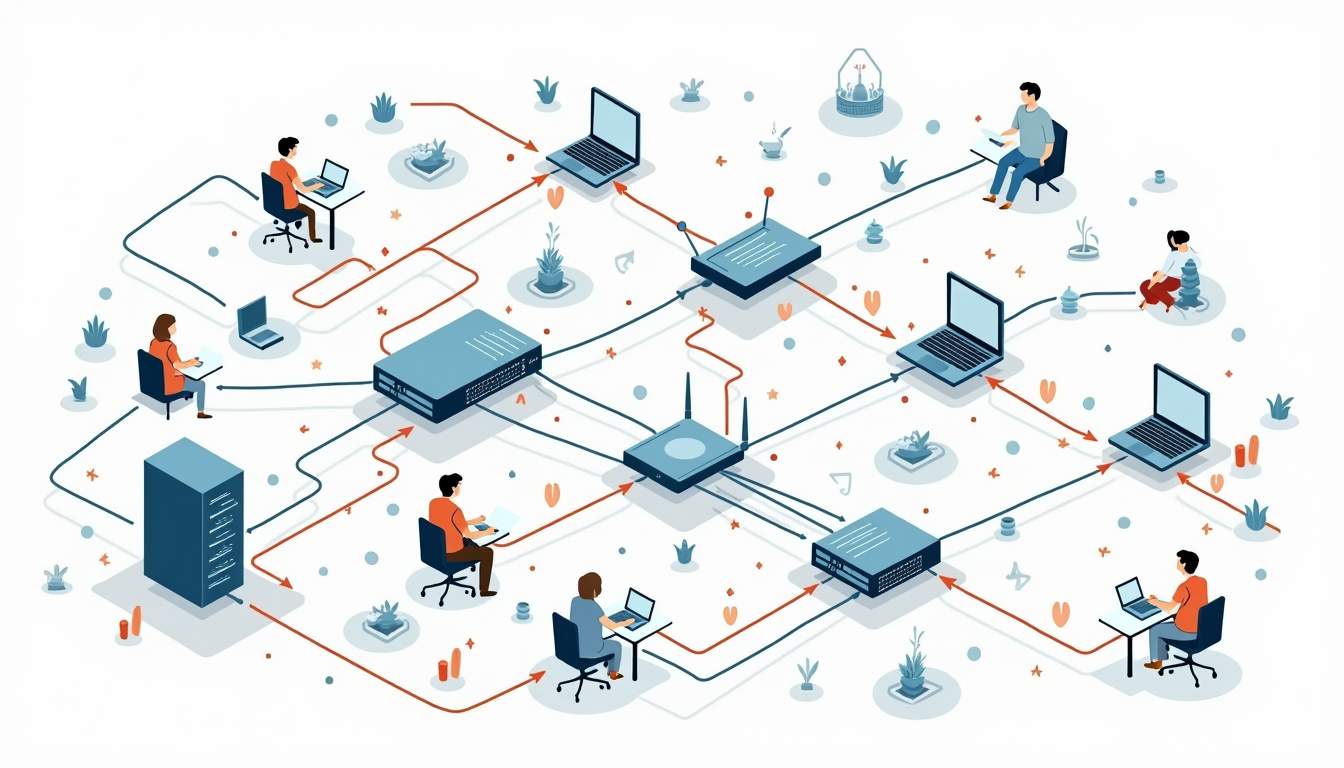
Practicing answers to both technical and behavioral questions will help candidates present themselves as well-rounded professionals ready to meet the challenges of modern network engineering.
For those entering or advancing in this field, staying informed about market trends and technological advancements is key to long-term success.




Leave a Reply